Thailand Aims to Reintegrate Myanmar into ASEAN Post-Coup
Thailand is positioning itself as a mediator to reintegrate Myanmar into ASEAN nearly five years after the military coup. This initiative is crucial for regional stability and reflects Thailand's strategic aspirations within Southeast Asia.
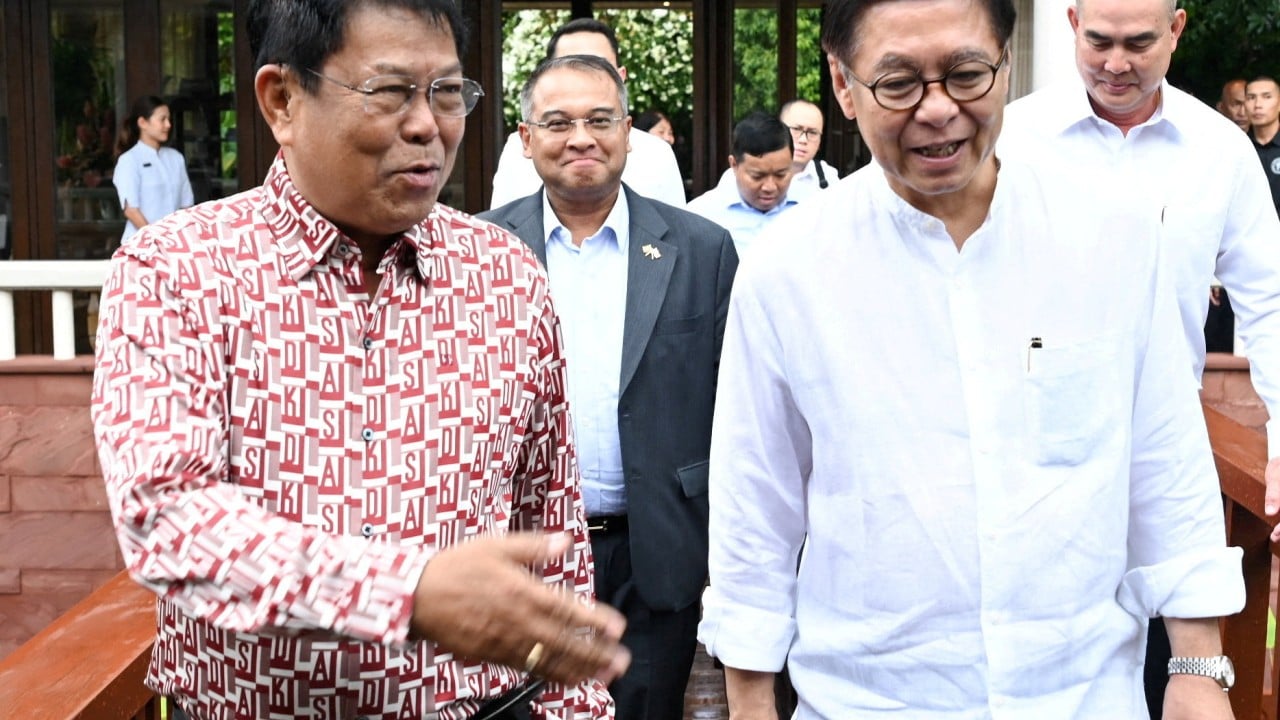
Thai Foreign Minister Sihasak Phuangketkeow announced Thailand's intent to facilitate Myanmar's reintegration into the Association of Southeast Asian Nations (ASEAN) during a recent meeting with his Myanmar counterpart. This effort comes nearly five years after the military coup in Myanmar, which significantly altered its political landscape and disrupted its relations within ASEAN. Sihasak emphasized Thailand's role as a 'bridge' to assist Myanmar in complying with ASEAN's demand for stability and cooperation among member nations.
This development bears significant importance in the broader geopolitical context, as the prolonged instability in Myanmar poses challenges not only for the regional security framework but also for ASEAN's core principles of non-interference and consensus. Thailand's initiative could potentially regenerate ASEAN’s collective efficacy, given that Myanmar's return to the fold could ease tensions and foster collaborative economic endeavors, thereby enhancing regional resilience against external pressures such as China's influence.
Key players in this situation include Thailand as a mediator, the military-led government of Myanmar, and other ASEAN member states, each having their own perspectives and stakes in Myanmar's situation. Thailand’s ambition to lead this reconciliation effort aligns with its foreign policy objectives of stabilizing neighboring countries to ensure its own national security, while the Myanmar government seeks recognition and legitimacy within the ASEAN framework to alleviate international isolation and economic distress.
The implications of Thailand’s initiative could be profound. Successfully reintegrating Myanmar could signal a shift toward greater unity and cooperation within ASEAN but could also encounter resistance from member states wary of endorsing a government formed through military means. The reaction of regional players such as Indonesia and Malaysia, who have criticized the coup, will be pivotal in shaping the political landscape of ASEAN and determining the effectiveness of Thailand's mediatory role.
Historically, ASEAN has faced significant challenges in addressing member states' internal conflicts, reflecting varying degrees of commitment to regional norms. Thailand's effort echoes previous attempts at conflict resolution within the bloc, highlighting its long-standing diplomatic pragmatism. However, the effectiveness of these measures remains contingent on Myanmar's willingness to engage constructively.
In conclusion, this strategic overture by Thailand reflects a calculated move to enhance its influence within the region while addressing the critical situation in Myanmar. Analysts suggest that Thailand's approach could lead to increased diplomatic engagements among ASEAN members, though the risks of polarized responses among member states remain significant as they navigate the complexities of regional diplomacy and national sovereignty.