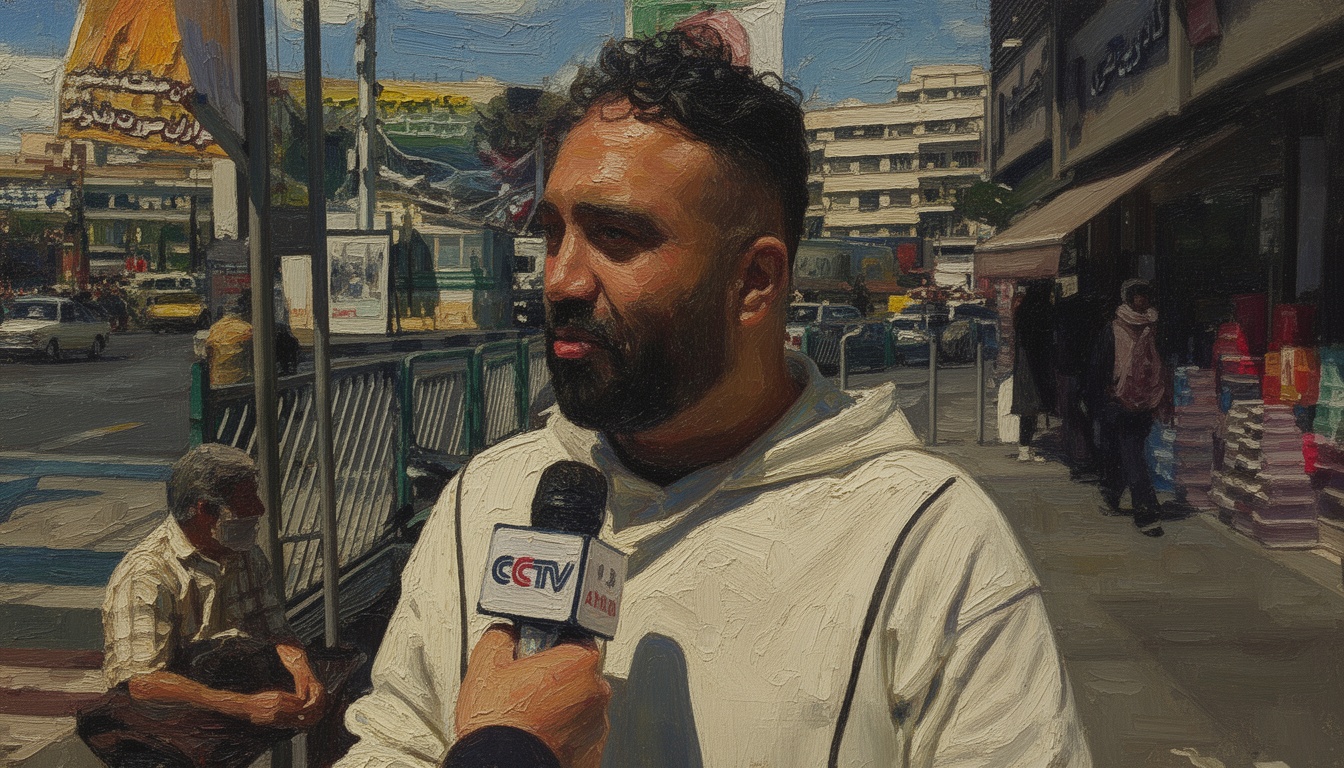
Tehran Residents Welcome Ceasefire, Doubt Its Durability
Tehran citizens endorse a US-Iran ceasefire after 40 days of clashes. Yet, uncertainty lingers over the agreement's stability amid deep mistrust.
Tehran residents have reacted positively to the ceasefire agreement recently reached between the United States and Iran. This pause follows approximately 40 days of deadly confrontations that significantly heightened regional tensions. The agreement includes a two-week ceasefire and plans to launch fresh peace talks in Islamabad, Pakistan’s capital, set for Friday.
The clashes represent a dangerous escalation between two major regional and global powers, threatening wider instability. Iran and the US have a long history of conflict and mutual suspicion, complicating prospects for lasting peace. The Islamabad talks symbolize a strategic effort to engage diplomatically, though previous attempts have faltered.
Strategically, the ceasefire offers momentary respite for the volatile Middle East, where US-Iran tensions influence numerous proxy conflicts and global energy markets. A durable truce could ease pressure on neighboring countries and avert unintended escalation involving other players.
Operational details remain scarce but the ceasefire reportedly includes halting direct attacks and maintaining communication channels. Both sides expressed commitment to constructive dialogue, signaling a potential pivot towards diplomacy after weeks of hostile exchanges. It remains unclear how enforcement mechanisms will be monitored.
Looking ahead, the ceasefire’s sustainability is highly uncertain given entrenched animosities and differing agendas. If negotiations succeed, it could set ground for broader regional stabilization, but failure risks reigniting violence. Intelligence assessments should monitor progress in Islamabad closely for signs of either escalation or durable peace.