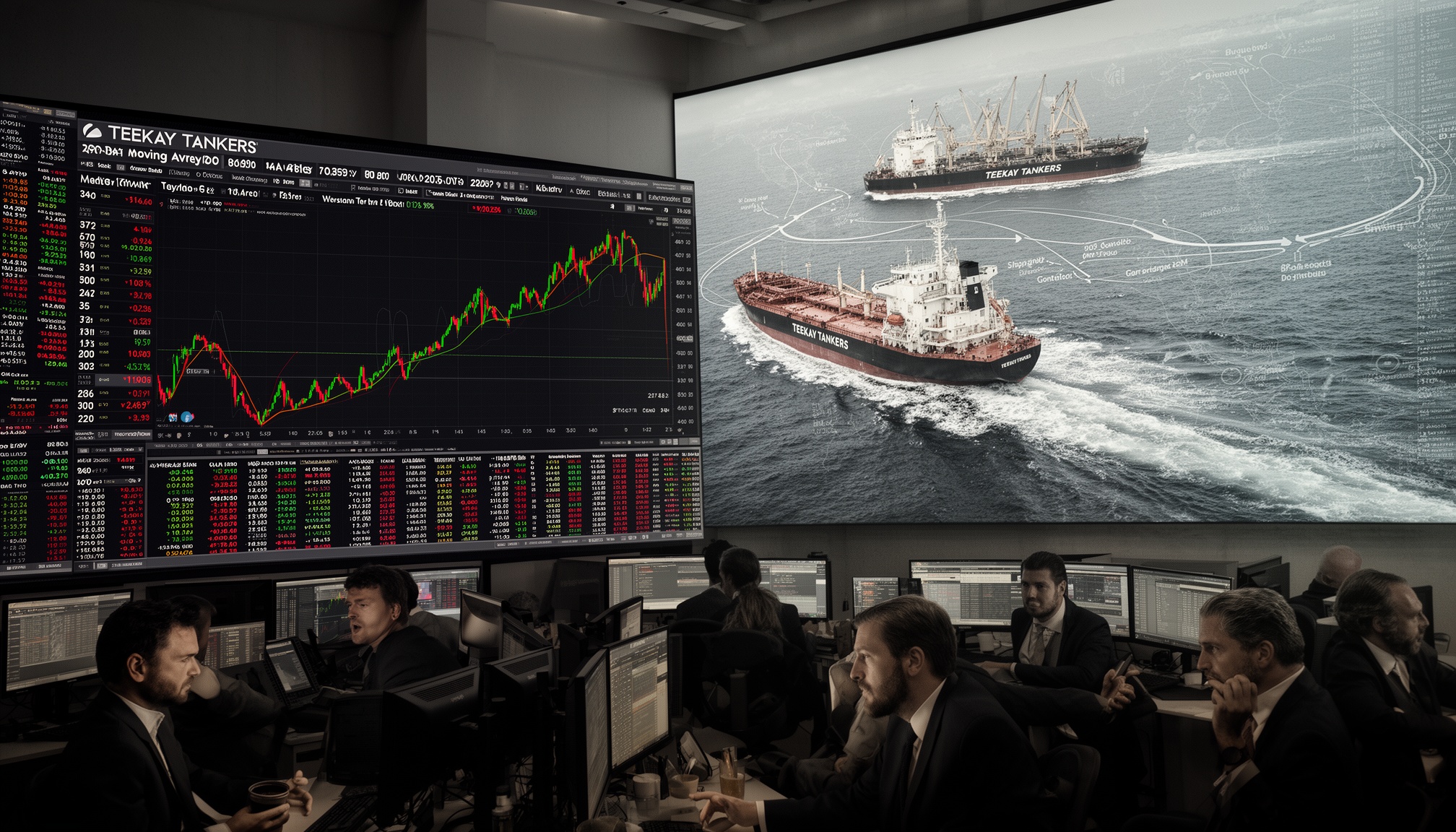
Teekay Tankers Surges Above 200-Day Average, Market Alert
Teekay Tankers' shares crossed the critical 200-day moving average, signaling potential market volatility in the shipping sector. This technical cue often precedes shifts in investor sentiment affecting global tanker operations and maritime trade flows.
Teekay Tankers Ltd. (NYSE:TNK) stock surged past its 200-day moving average on Monday, closing at $72.04 against a benchmark average of $60.51. Trading volume was 418,707 shares, indicating active investor interest. This move could mark a significant moment for the company as it edges higher in a volatile shipping market.
The 200-day moving average is a widely followed technical indicator that reflects the long-term trend of a stock. A crossing above this average often signals bullish momentum or shifts in market perception that might affect sector players globally. Teekay operates a global fleet of tankers, making its stock movement relevant for international maritime supply chains.
Strategically, the tanker sector is sensitive to geopolitical tensions and commodity price swings. Teekay’s rising stock price may indicate anticipation of increased demand for shipping crude oil and petroleum products, which would impact markets worldwide. Investors and competitors monitor these signals for potential ripple effects across energy transport logistics.
Operationally, Teekay manages a fleet of modern tankers, including Suezmax and Very Large Crude Carriers (VLCCs), which provide competitive advantages in efficiency and capacity. The company’s financial outlook ties closely to global oil demand and freight rates, both of which have seen recent volatility owing to fluctuating energy markets and geopolitical crises.
Looking ahead, the breach of the 200-day moving average could trigger increased trading activity and volatility. Market watchers should expect further price swings as Teekay Tankers reacts to global energy dynamics and shipping demand fluctuations. This development is a critical barometer for maritime logistics and commodity transport stability worldwide.