Tanker War redux? Hormuz crisis differs from 1980s conflict
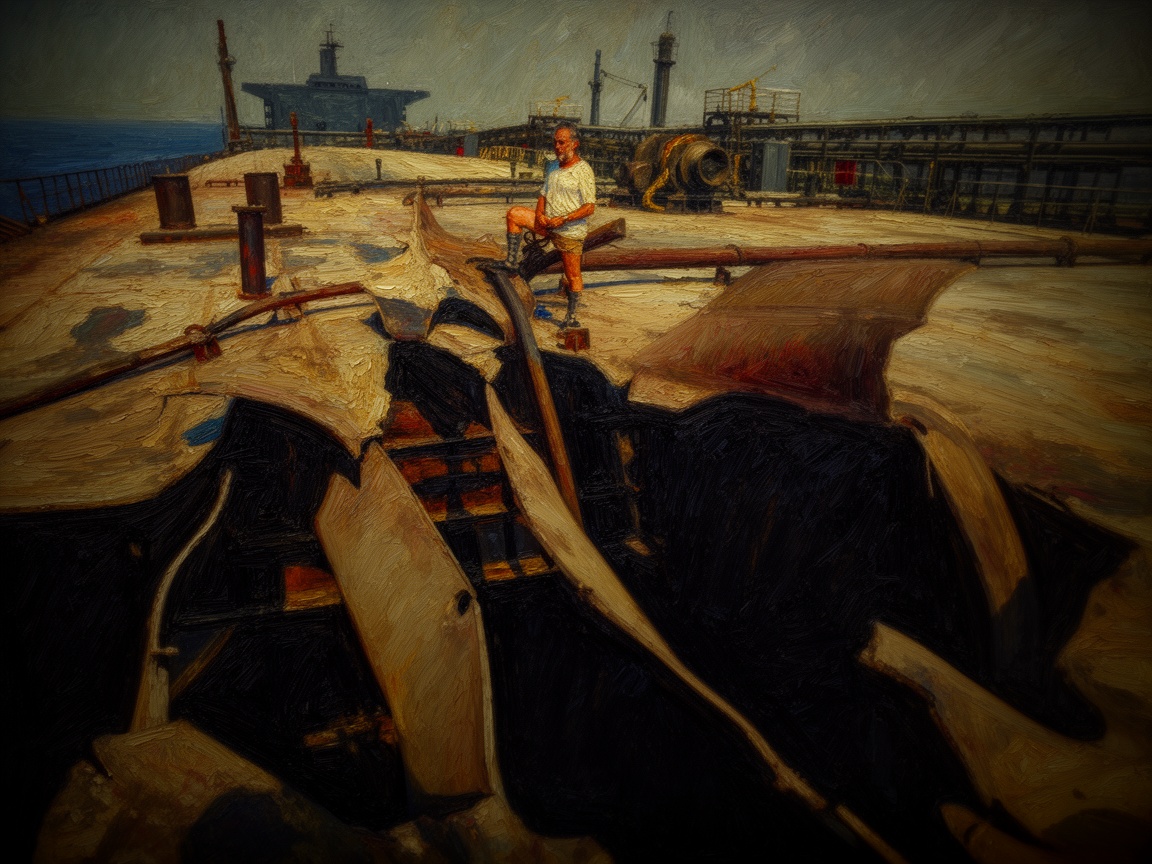
The Hormuz Strait crisis echoes the 1980s Tanker War, but today’s dynamics differ. The chokepoint remains vulnerable, yet outside powers and commercial resilience reshape risk, costs, and deterrence. Global energy security hinges on how crises are managed, not just who fights.
The Strait of Hormuz faces renewed strain as maritime traffic patterns and political signaling converge on the world’s most critical energy corridor. Unlike the 1980s, today’s flare ups occur within a broader system of external stakeholders and commercial interests that complicate escalation. The key question is whether this crisis will become a stand‑alone confrontation or a controlled crisis that preserves open sea lanes while pressuring actors to back down. The present dynamics stress the balance between deterrence, diplomacy, and maritime law, with potential spillovers affecting shipping insurance, commodity prices, and regional stability. Overall, the risk landscape resembles a crisis phase rather than a declared war, demanding vigilant monitoring of red lines and international responses.