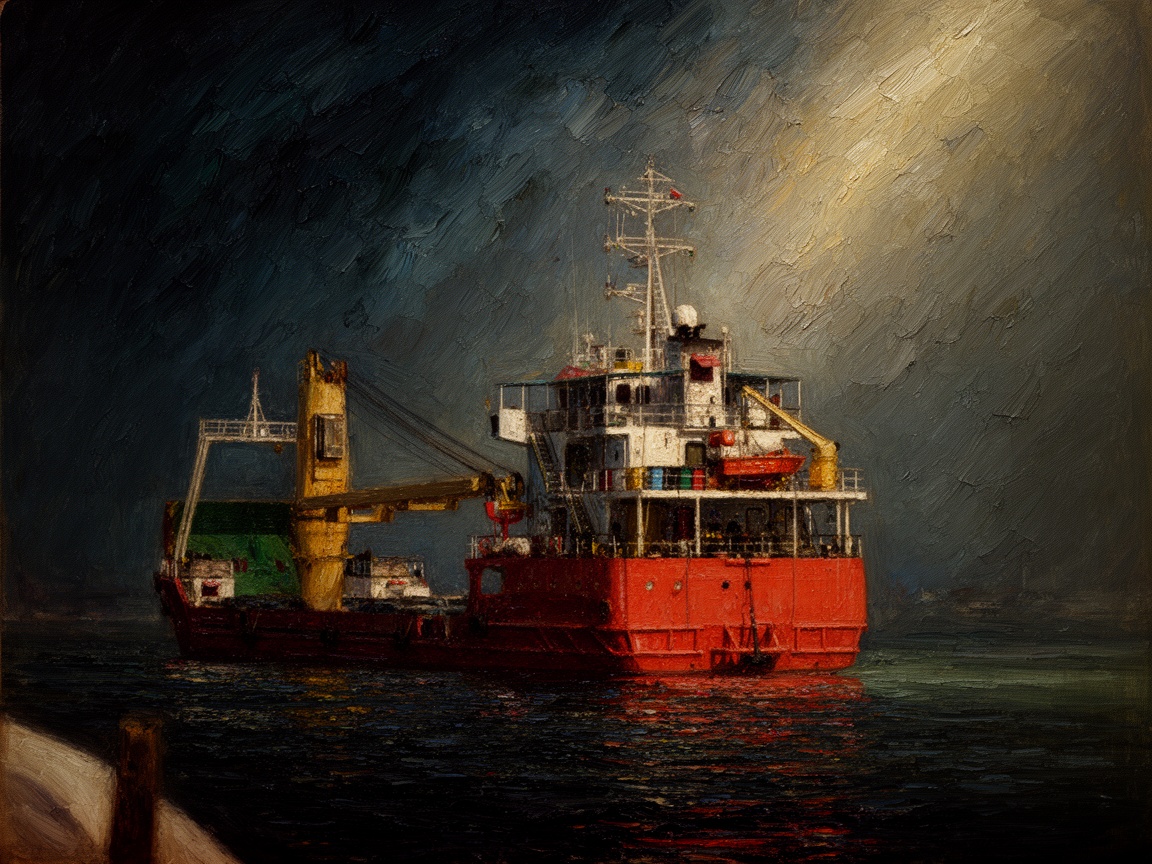
Tanker Fired On by Gunboats in Strait of Hormuz
An official maritime agency reports gunfire directed at a tanker in the Strait of Hormuz. The incident underscores ongoing friction in a chokepoint critical to global oil flows. No confirmed casualties or identities of aggressors are yet available, complicating attribution and retaliation calculus.
A maritime agency reports gunfire directed at a tanker in the Strait of Hormuz. The incident occurred in a key artery for global oil shipments, heightening risk in an otherwise volatile region. Details remain scarce, with official statements awaiting confirmation and potential follow-on actions by regional actors.
The Strait of Hormuz remains a flashpoint in a broader regional rivalry, where naval patrols and maritime sovereignty claims frequently collide with commercial interests. This incident follows a pattern of high-tension incidents in the strait, signaling persistent risk to vulnerable shipping lanes. Analysts will watch for signs of escalation, involvement of state actors, or non-state maritime actor activity.
Strategic significance centers on energy security and deterrence dynamics. A tanker under threat complicates insurance, routing choices, and port access for multiple economies reliant on Gulf crude. The event could influence alliance calculations, with navies likely to adjust patrol tempo and rules of engagement near contested chokepoints. Caution is warranted about premature attributions before verification.
Operational details remain limited: the reporting entity noted gunboats were involved and that the vessel came under gunfire, but there is no confirmed information about weaponry, range, or specific systems used. The vessel’s nationality, cargo, and current trajectory are not disclosed. Governments and shipping companies will scrutinize incident timing, potential correlates with current drills, and whether this foreshadows broader confrontations in the region.
Forward assessment points to heightened risk for commercial sea lanes and likely increased naval presence in the Hormuz axis. If attribution leans toward a state actor, expect calibrated diplomatic signaling and potentially restricted passages or escorted convoys. In the near term, maritime markets will respond to uncertainty with hedging and insurance volatility, while defense planners weigh whether to adjust maritime engagement rules or expand secure transit corridors.