Taiwan’s Asia-Pacific Drone Hub Ambitions Risk Supply Chain Crisis
Taiwan aims to lead Asia-Pacific drone production by excluding mainland China from its supply chains, escalating regional tech and security tensions. This strategy confronts formidable political, industrial scale, and timing challenges that could disrupt global drone markets and democratic supply chains.
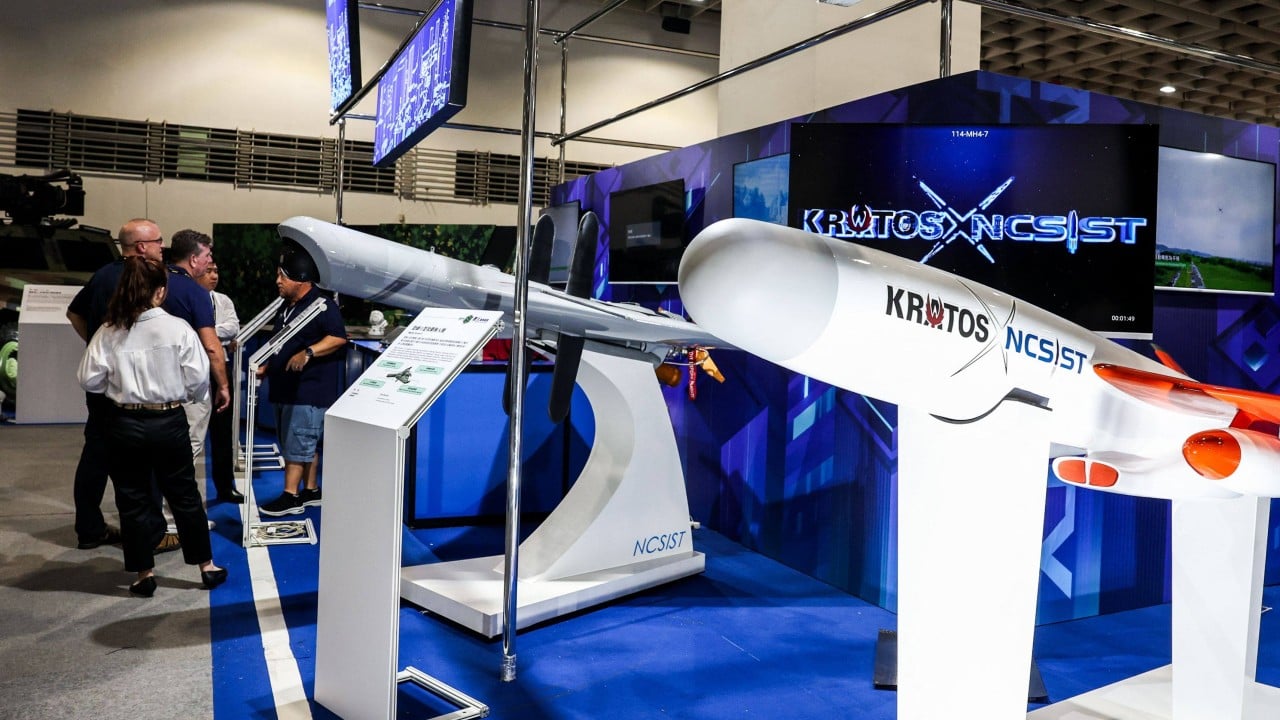
Taiwan is aggressively pursuing becoming a central hub for drone manufacturing in the Asia-Pacific region by developing a supply chain that excludes mainland Chinese components. This move is part of a strategic push by Taiwanese leadership to capitalize on geopolitical tensions by creating a ‘democratic supply chain’ free from Chinese influence. However, Taiwan faces significant obstacles in scaling its drone industry and aligning its partners amid ongoing political frictions.
The effort is rooted in Taiwan’s response to China’s expanding military and industrial reach in drone technology. With global drone demand surging, Taiwan aims to leverage its advanced semiconductor industry and existing aerospace capabilities to become a key player independent from China. Leadership including William Lai Ching-te promotes this initiative as both a security imperative and an economic opportunity.
Strategically, establishing a ‘non-red’ supply chain highlights the escalating division between democratic and authoritarian technology blocs in the region. Taiwan’s bid challenges China’s near-monopoly on drone components and threatens to reconfigure regional defense procurement patterns. This intensifies the tech sovereignty debate fueling the US-China rivalry and shapes Indo-Pacific security dynamics.
Operationally, Taiwan must overcome the difficulty of sourcing advanced components without relying on China’s semiconductor and assembly ecosystems, which dominate drone production. The island’s industrial capacity is relatively limited compared to China’s vast manufacturing base, complicating efforts to scale fast. Timing remains critical as other regional powers look to fill similar technological voids.
If successful, Taiwan could establish itself as a strategic chokepoint controlling drone supply chains vital to Indo-Pacific allies amid rising great power competition. Failure or delays, however, risk supply disruptions and diminished regional influence, allowing China to consolidate its drone technology dominance and geopolitical leverage in the Asia-Pacific theatre.