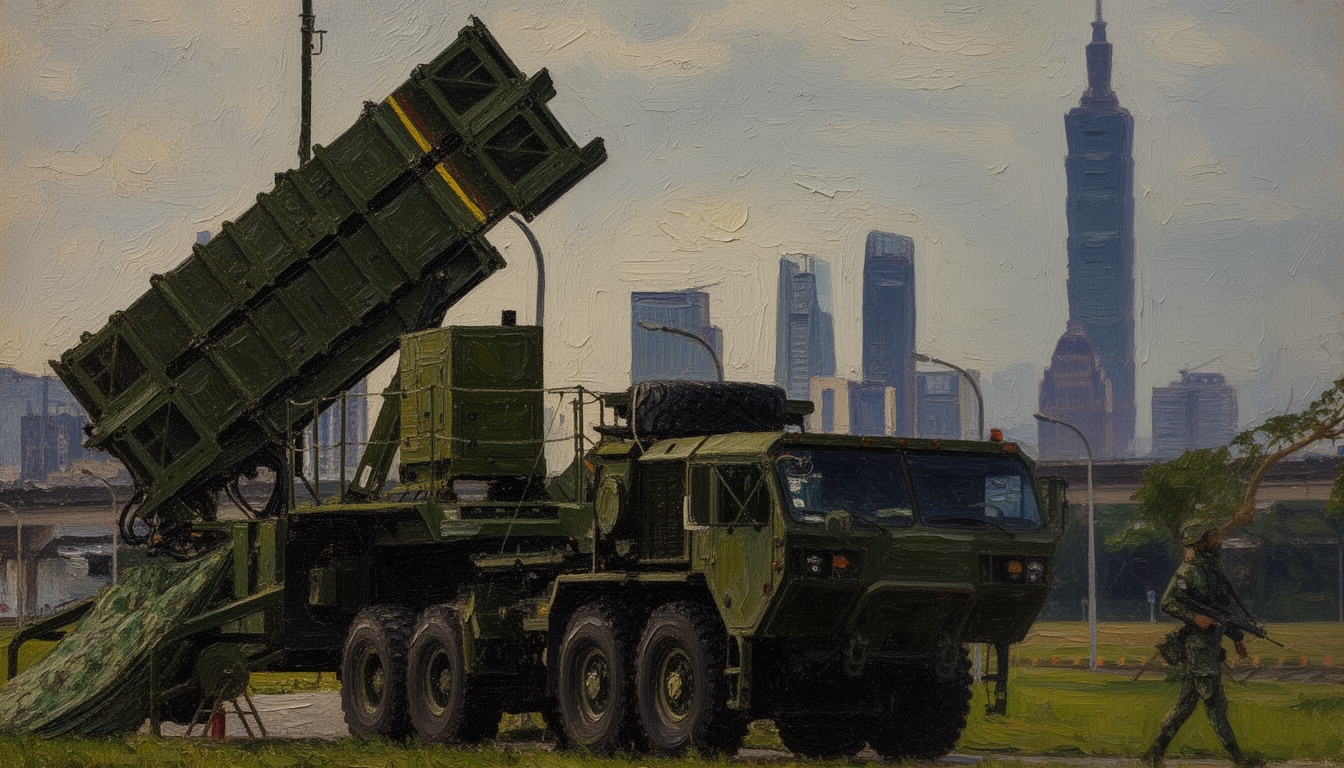
Taiwan Faces Widening Civil-Defence Gap, Blockade Risk
A two-day tabletop exercise at National Chengchi University warned that Taiwan’s civil-defence framework is insufficient for a potential blockade. Experts urged urgent overhauls of civil protection and energy strategy to harden resilience against external pressure. The scenario stressed that current preparations are “too romantic” for real-world crisis conditions and highlighted accelerating regional tensions.
The recent two-day tabletop exercise at National Chengchi University in Taipei presented a stark forecast: by 2030, Taiwan could confront a blockade that tests civil-defence networks and energy supply to the breaking point. Participants warned that existing protections rely on assumptions unlikely to hold under sustained siege, from emergency shelters to power-grid resilience. The exercise described a cascade of failures across food, water, and health services if resilience gaps are not closed quickly. In short, the plan currently in place risks collapse under the pressure of real-world constraints and political coercion.
Contextually, the exercise took place amid rising cross-strait tensions and a shifting regional security environment. Analysts note that global alliances and local diplomacy affect Taiwan’s ability to deter and withstand coercion. While the specifics remain fictional, the scenario mirrors contemporary debates about deterrence, energy security, and social stability in the face of external pressure. The participants argued that “romantic” assumptions about civil protection do not map onto the realities of a sustained blockade or concerted hybrid pressure.
Strategically, the report emphasizes the need to rebalance incentives across public safety, energy security, and civilian logistics. A key takeaway is that resilience is not a single fix but a system-wide upgrade requiring reforms in governance, supply chains, and redundancy. The dialogue underscored the risk that a blockade would leverage information operations to disrupt coordination between communities and authorities, amplifying panic and complicating crisis response.
Technically, the exercise highlighted gaps in energy diversification, critical infrastructure hardening, and civilian-mobilization protocols. Participants cited the importance of microgrids, fuel-diversification plans, and rapid-response emergency services as levers to raise the threshold for coercive pressure. Budgetary allocations, procurement timelines, and civilian-civil-military coordination were identified as decisive bottlenecks in moving from plan to practice. The implications for defense-industrial strategy are clear: resilience hinges on rapid, well-funded capability upgrades and cross-sector cooperation.
Looking forward, observers forecast a tightening window for reform. If Taiwan acts decisively, it can raise the costs of coercion and protect social cohesion during a crisis. If reforms lag, the distance between theory and practice will widen, increasing exposure to supply shocks and social disruption. The evolving regional balance will reward states that implement credible, civilian-protection-centric strategies alongside credible deterrence.