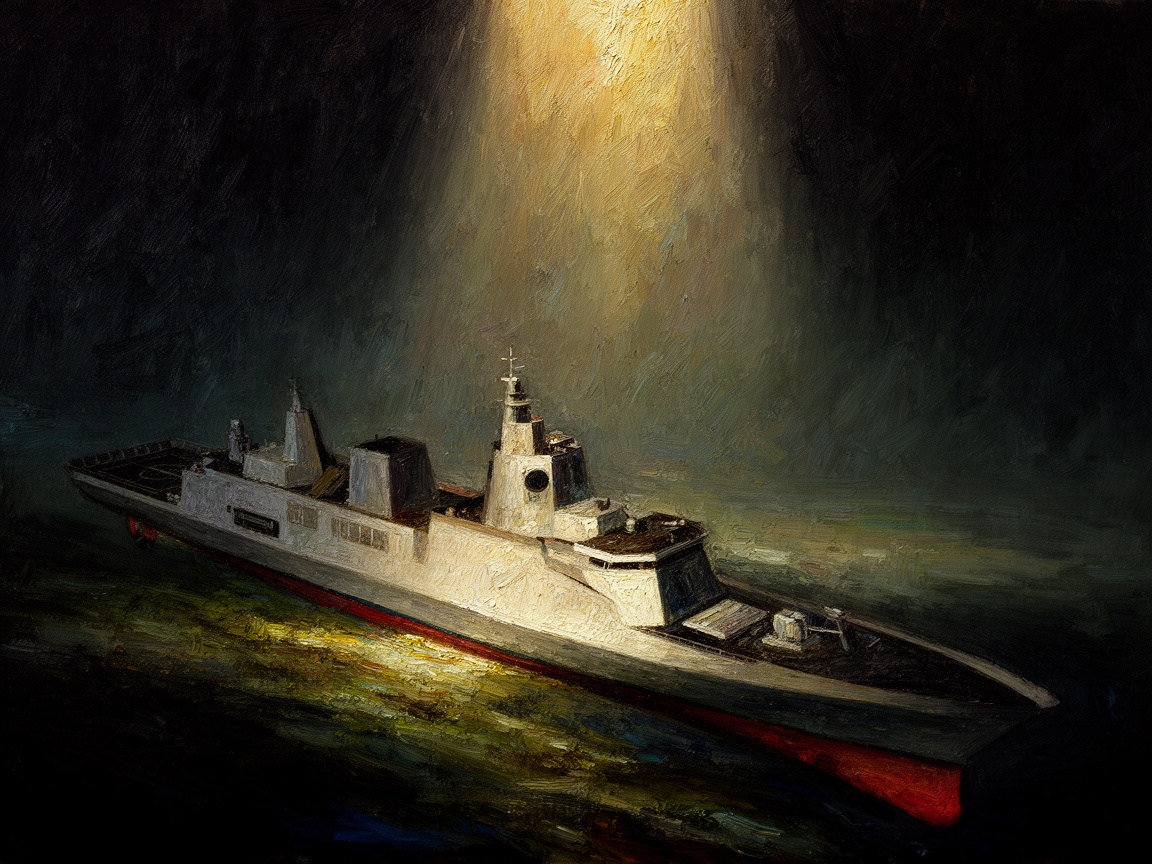
Taiwan Eyes Japan's New FFM as Frigate Option
Taiwan’s navy is reportedly weighing Japan’s New FFM (Upgraded Mogami-class/06FFM) as a potential frigate candidate amid growing security ties with Japan. The development hints at deeper defense cooperation and possible shifts in regional maritime balance, with implications for cross-strait deterrence and allied planning.
The Republic of China (Taiwan) Navy is reportedly examining Japan’s New FFM design, also known as the Upgraded Mogami-class or 06FFM, as a potential frigate option. The consideration comes as Taiwan and Japan expand security cooperation, a trend that could alter regional naval calculations and carrier out the lines of deterrence in the Indo-Pacific. This assessment signals a practical step toward diversifying Taiwan’s surface combatant options in a high-tension environment.
Background context centers on the broader pattern of security collaboration between Taiwan and Japan, including information-sharing, joint exercises, and enhanced maritime domain awareness. The New FFM program represents a modern, multi-mission frigate concept that aligns with Japanese defense priorities and fleet renewal plans. While concrete procurement decisions are not publicly confirmed, the discourse underscores a coordinated approach to countering maritime threats and preserving freedom of navigation in critical chokepoints.
Strategic significance rests on how a potential ROC choice of the New FFM could influence deterrence dynamics with adversaries and shape allied interoperability. A frigate option born from a foreign partner adds complexity to balancing power in the Taiwan Strait region, while providing Taiwan with a proven design and industrial offsets that might be leveraged in future defense collaboration. The move could also impact regional port calls, logistics networks, and allied contingency planning for potential crises.
Technical and operational details, while not fully disclosed, point to the 06FFM’s lineage as a successor to the Mogami-class concept, with modernization emphasis that Japanese planners expect to deliver. If Taiwan proceeds, integration questions will include combat system compatibility, radar and sensor suites, missiles, and crew training pipelines. Budgetary and industrial considerations would also shape the scale and timeline of any potential acquisition, as would U.S. and allied policy guidance on cross-strait stabilization and regional defense architecture.
Forward assessment suggests this development will feed into broader regional risk calculations. Taiwan’s exploration of foreign-frigate options signals a pragmatic approach to expanding its maritime deterrent, while testing the limits of defense cooperation with Japan. The evolution of this dialogue could accelerate future joint exercises, technology transfers, and industrial partnerships that alter the balance of naval power in the western Pacific.