Syria Seizes All US-Linked Bases, US Convoy Exits
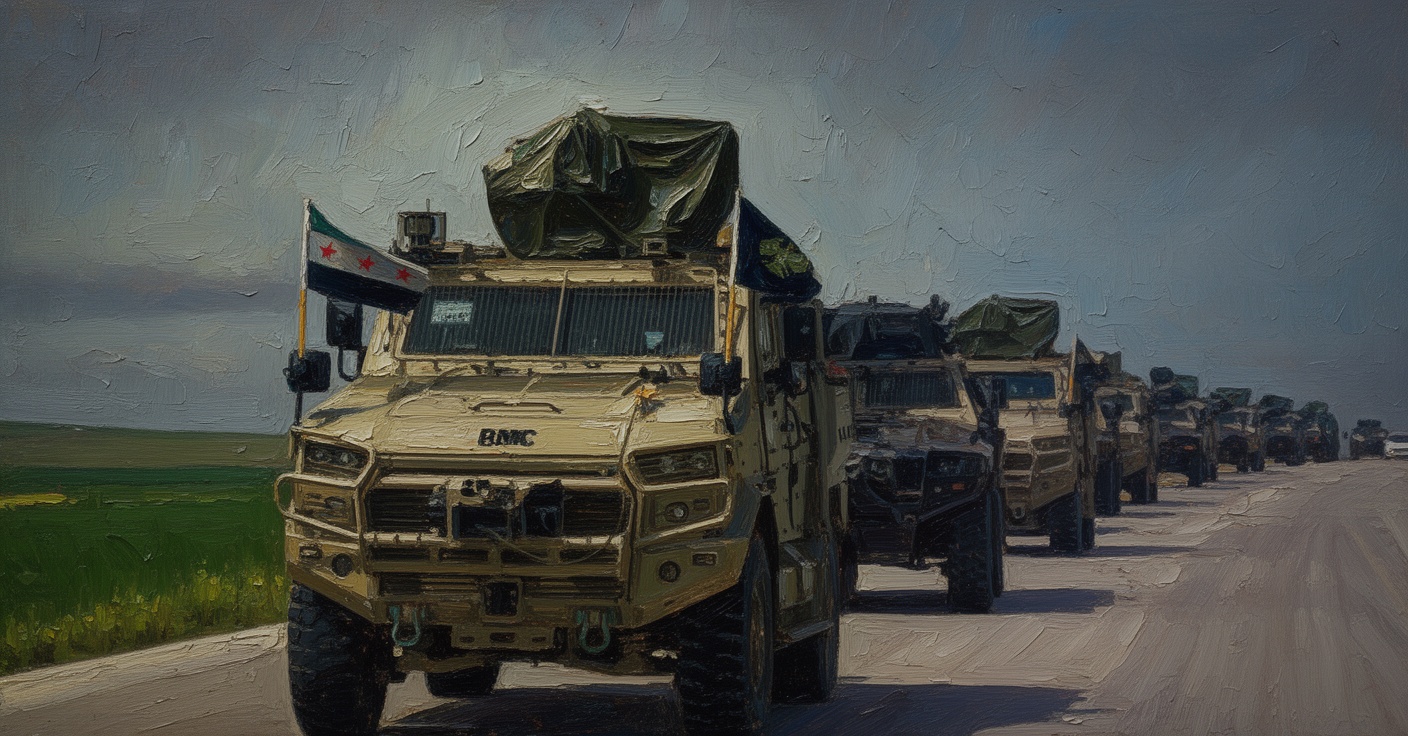
Syria has asserted control over every base formerly used by US forces in the northeast, marking a sharp shift in the regional security balance. The final convoy abandoning Qasrak air base signals the final transfer of American presence from Hasakah’s front-line footprint. The move escalates tensions between Damascus and its Western allies while widening room for Russian and Iranian influence in northeastern Syria.
Syria has completed a decisive operation to seize all bases previously deployed with US forces in the northeast. The withdrawal of the last US personnel from Qasrak air base confirms a hostile realignment of control in Hasakah Governorate. The takeover reduces Western logistics nodes in the region and consolidates the Syrian state’s presence along critical border areas. Local security dynamics are already shifting as Syrian, Russian, and Iranian assets extend their reach into previously contested areas.
The development follows a broader pattern of shifting alignments among external powers in Syria, with Damascus seeking to reassert sovereignty and leverage leverage against Western footholds. The exit of US forces removes a long-standing counterterrorism and deterrence platform in the Euphrates Valley, raising questions about the tempo of any future anti-ISIS operations and the fate of local partner forces. Regional actors are recalibrating their posture in anticipation of possible flashpoints near oil corridors and frontier crossings.
Strategically, the bases represented more than tactical assets; they were nodes in a wider network of international influence. Their transfer signals a potential reorientation of the balance of power in northeast Syria, potentially accelerating Russian and Iranian operational tempo in the region. The move also constrains Western intelligence-surveillance capabilities in the borderlands, complicating deterrence calculations for any remaining coalition partners.
Technically, the bases housed a mix of aviation facilities, storage depots, and forward-operating elements. Estimates place the former US footprint at several dozen aircraft parking spots and hundreds of support vehicles, alongside air-defense and ISR assets that could coordinate with regional partners. The exact terms of the transfer are not fully disclosed, but the withdrawal from Qasrak confirms a complete de facto handover of the area to Syrian authorities and allied forces.
Forward assessment suggests Damascus will pursue a rapid integration of these bases within its security framework, potentially seeking to chain together border-hub facilities for logistics and counter-smuggling. Western policymakers will watch for any shifts in military posture by Kurdish-led forces and allied militias, as well as updates from regional partners on air and artillery readiness. The situation remains a pressure point for ongoing diplomatic efforts and could influence future talks on legitimacy, sovereignty, and post-conflict governance.