Switzerland Slashes F-35 Order, Delays Patriot Missile Delivery by Five Years
Switzerland's cut of six F-35 jets exposes vulnerabilities in European air defense capabilities amid a growing threat environment. Additionally, the significant delay in Patriot missile systems underscores severe logistical failings within modern defense procurement.
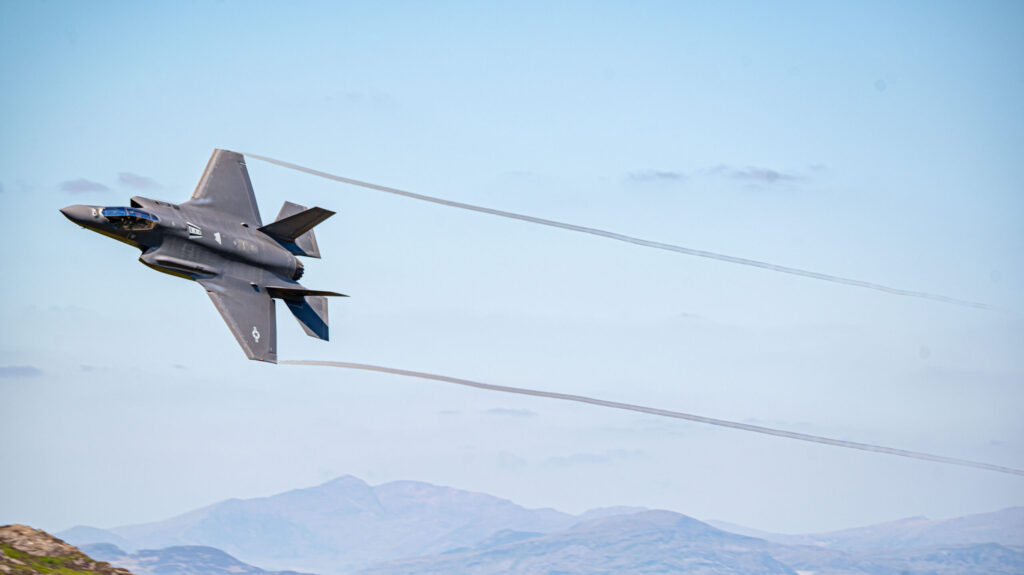
Switzerland has officially reduced its order of F-35 fighter jets by six, scaling back from an original purchase of 36. This decision entails an acceptance of forthcoming 'negative consequences,' signaling a significant shift in the nation’s defense posture. The move raises immediate concerns about Switzerland's air defense capabilities amidst increasing geopolitical tensions in Europe.
The backdrop to this development lies in Switzerland’s ongoing re-evaluation of its defense procurement amidst financial pressures and budgetary constraints. Initially, the Swiss government had planned to enhance its military capabilities with modern fighter jets and advanced missile systems to bolster air defense. However, the economic impacts of recent global events and domestic fiscal realities have forced a reassessment of defense spend, resulting in a scaled-back acquisition that may leave gaps in national security.
This reduction in jet procurement is significant as it reflects a broader hesitation among European countries to fully commit to strengthening their militaries against potential threats, particularly from Russia. Switzerland’s ability to project air power and deter aggression may be compromised, revealing a critical vulnerability in European defense architecture at a time when collective security is paramount.
Key actors involved in this decision include the Swiss Federal Council, which is navigating complex political terrain to balance defense needs with budgetary realities. Their motivation appears to hinge on immediate financial relief rather than long-term security commitments, expressing a strategic retreat that could embolden adversaries. Additionally, the delay in the acquisition of the Patriot missile defense system further exacerbates Switzerland's security predicament, as it lacks robust means to counter advanced aerial threats.
Operationally, Switzerland’s decision to cut F-35 orders comes at a time when the United States is ramping up production of the stealthy jets, which offer advanced avionics and combat capabilities. Each F-35 costs approximately $80 million, making this order reduction a significant financial reconsideration. Furthermore, with a delay in the expected delivery timeline for the Patriot systems stretching up to five years, Switzerland is left with diminishing air defense capabilities during a crucial period.
The ramifications of these decisions are likely to reverberate throughout European defense planning and could incite other nations to further cut back on their defense expenditures. This could lead to an arms imbalance, particularly in the context of Russian military activities in Eastern Europe and the ongoing conflict in Ukraine. The increased reliance on the NATO allies for defense support raises the question of Switzerland's autonomy in its security strategies.
Historically, Switzerland has maintained a policy of armed neutrality, but this latest reduction in military procurement projects it further away from self-sufficiency in defense capabilities. Previous defense policy shifts, marked by increased civilian focus and disarmament, have sometimes left the nation vulnerable during heightening conflicts. This event may serve as a similar turning point, necessitating urgent conversations about Switzerland's long-term strategic postures.
Looking ahead, intelligence analysts should closely monitor any shifts in regional alliances and defense spending in response to Switzerland's actions. Key indicators will include the willingness of European nations to commit to collective defense initiatives, changes in military readiness in neighboring countries, and procurement trends of advanced military technologies. Any further cuts or delays in defense acquisitions might indicate a growing trend of retraction among European states regarding their ability to counter aerospace threats effectively.