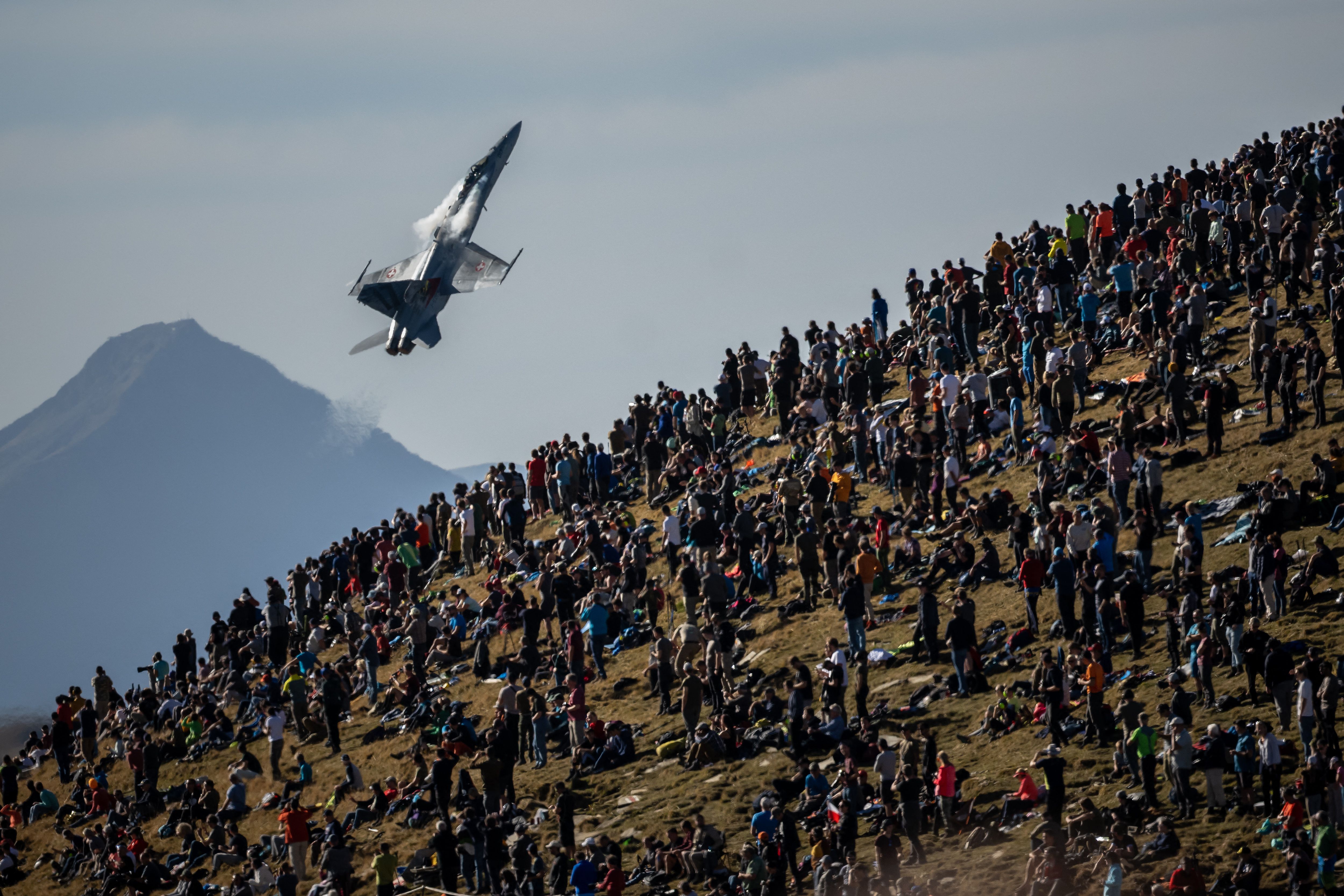
Switzerland Faces Air Defense Crisis, Cuts F-35 Orders Amid Patriot Delays
Switzerland’s air defense capability is weakened as it seeks alternatives due to significant delays in Patriot missile system production. Coupled with reduced F-35 fighter jet acquisitions, this raises serious questions about Switzerland's defense readiness and regional security dynamics.
Switzerland confronts a critical air defense crisis as delays in the production of the Patriot missile systems force the nation to seek alternative European air-defense solutions. The Swiss government is now actively exploring replacement systems to fill the gap left by the anticipated late deliveries of the Patriot systems, which are crucial to its national security strategy. This situation amplifies the urgency for Switzerland to secure its skies amidst increasing military threats in Europe.
The delays in Patriot production stem from supply chain disruptions and increased demand from NATO allies bolstering their air defenses in response to regional tensions, particularly in light of Russia's aggressive posturing towards Ukraine and NATO's eastern flank. Switzerland previously committed to a defense modernization program that included the acquisition of Patriot systems as a cornerstone of its tactical air defense. However, these setbacks have forced the Swiss military to reconsider its strategic procurement plans.
The implications of this development are significant; reduced air defense capability could embolden potential adversaries and undermine Switzerland's neutrality narrative. Additionally, the concurrent decision to purchase fewer Lockheed Martin F-35 jets—following a rise in unit costs—signals financial constraints that could further hamper the country's military readiness. The strategic risks here include vulnerabilities to aerial threats in a tense European security environment, jeopardizing not only Swiss borders but also the stability of neighboring nations.
Key actors in this unfolding situation include the Swiss Federal Department of Defence and defense contractors such as Raytheon and Lockheed Martin. The Swiss government, wary of increased procurement costs and delivery timelines, is likely motivated by a desire to maintain operational integrity while balancing budgetary constraints. The pivot away from the F-35 program also indicates a reassessment of long-term aerial superiority aspirations in favor of immediate air defense needs.
Operationally, the cost of each F-35 unit has climbed significantly, now estimated at approximately $80 million per aircraft, prompting the Swiss to scale back their planned purchase from 36 to 24 jets. Meanwhile, the Patriot systems, initially expected for deployment by 2025, now have undetermined delays, sparking urgent efforts to identify alternative European air defense platforms. Following the recent geopolitical instability, this re-evaluation of air defense acquisitions could involve systems like the European Sky Shield Initiative.
The potential consequences of these decisions could create a cascading effect throughout European defense collaboration. With Switzerland’s capability diminished, neighboring countries may need to bolster their own air defense systems to counterbalance emerging threats. The risk of escalating arms competitions or ill-timed military engagements may also grow, particularly as tensions in Eastern Europe simmer.
Historically, similar procurement challenges have led to significant health checks in national defense strategies; notable parallels can be drawn from past conflicts where air superiority was paramount. Countries such as Norway faced similar dilemmas with their F-35 procurements, emphasizing that delays could ripple across military readiness and alliances.
Looking ahead, intelligence analysts should monitor how Switzerland navigates this procurement crisis. Key indicators will include shifts in air defense acquisition strategies, potential partnerships with European defense entities, and overall military spending adjustments in light of the shifting geopolitical landscape. As tensions continue to rise in Europe, Switzerland's decisions may signal broader trends in defense readiness and strategic alliances.