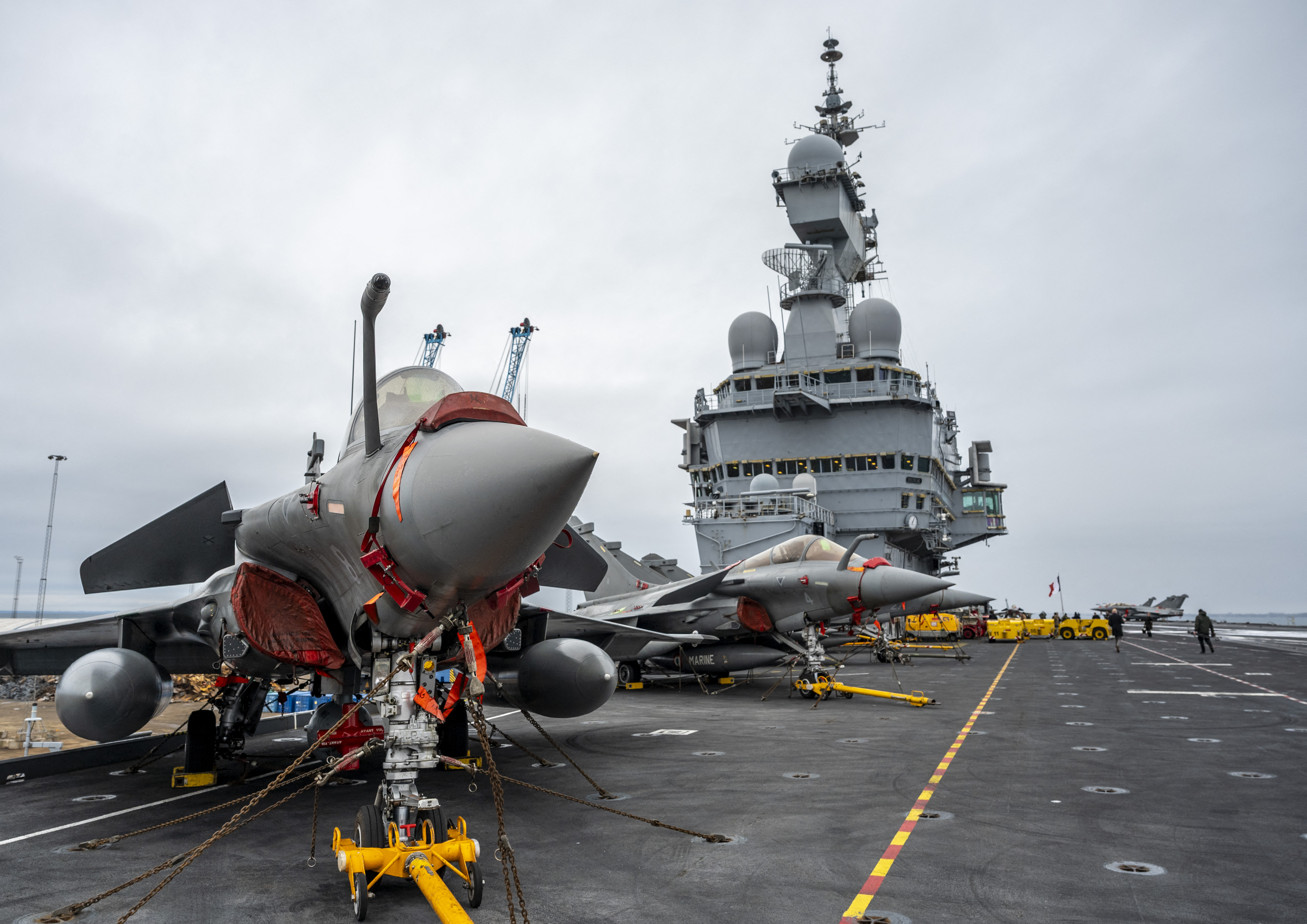
Swedish Navy Intercepts Russian Drone Near French Aircraft Carrier
The interception of a Russian drone near a French aircraft carrier signals escalating military tensions in European waters. This incident highlights the looming threat posed by Russian naval capabilities and the vulnerability of NATO assets.
The Swedish Navy has intercepted a suspected Russian drone operating dangerously close to the French aircraft carrier Charles de Gaulle. Swedish defense officials reported that the drone appeared to be launched from a Russian vessel that was patrolling the area, raising immediate alarms about potential surveillance activities targeting NATO forces.
Historically, the Baltic Sea has been a hotspot for military activity, particularly with Russian forces increasing their presence in the region in recent years. The deployment of Russian drones is part of a broader strategy to project power and gather intelligence on NATO operations, especially following heightened tensions after the Russia-Ukraine conflict began in 2014. This incident is a stark reminder of the persistent threat that Russian military assets pose to NATO forces operating in European waters.
The significance of this interception stems from the ongoing geopolitical struggle between NATO and Russia, which continues to examine vulnerabilities in each other’s defense postures. The presence of a Russian drone near a key NATO asset not only demonstrates tactical aggression but also illustrates the risk of miscalculation and potential escalation into a direct confrontation, endangering regional security.
Key actors in this incident include the Swedish and French militaries, both of which are reacting to Russian maneuvers that threaten their operational safety. Swedish officials are likely motivated by a desire to protect their sovereignty and support NATO's collective security doctrine. Meanwhile, France, as a leading naval power in Europe, has stakes in maintaining freedom of navigation and deterrence against Russian intrusions.
Operationally, intercepted data indicated that the drone may belong to the Orlan-10 system, infamous for its reconnaissance capabilities. Also, the presence of the Charles de Gaulle, a nuclear-powered aircraft carrier, underscores the strategic importance of these assets as force multipliers in NATO's naval strategy. French defense budget allocations for naval strength are expected to increase as a result of the heightened threat perception.
Potential consequences of this incident could lead to heightened military readiness in the region, with NATO forces potentially increasing air and naval patrols to deter further incursions. Such actions risk inviting a reciprocal response from Russia, further raising the stakes in this ongoing tit-for-tat dynamic in the Baltic Sea and surrounding areas.
This incident echoes previous encounters where Russian aircraft and naval vessels have challenged NATO's operational realms, particularly incidents during the 2016 NATO exercises and the Baltic Air Policing missions, which saw close calls in airspace violations. Historical patterns indicate that such provocations can spiral rapidly into broader conflict if left unchecked.
Moving forward, analysts should closely monitor Russian naval operations in proximity to NATO vessels, as any further attempts at drone deployments could instigate serious tit for tat confrontations or military standoffs. Intelligence indicators to watch include increased electronic surveillance activities and the deployment of additional naval assets in the region by both NATO and Russian forces.