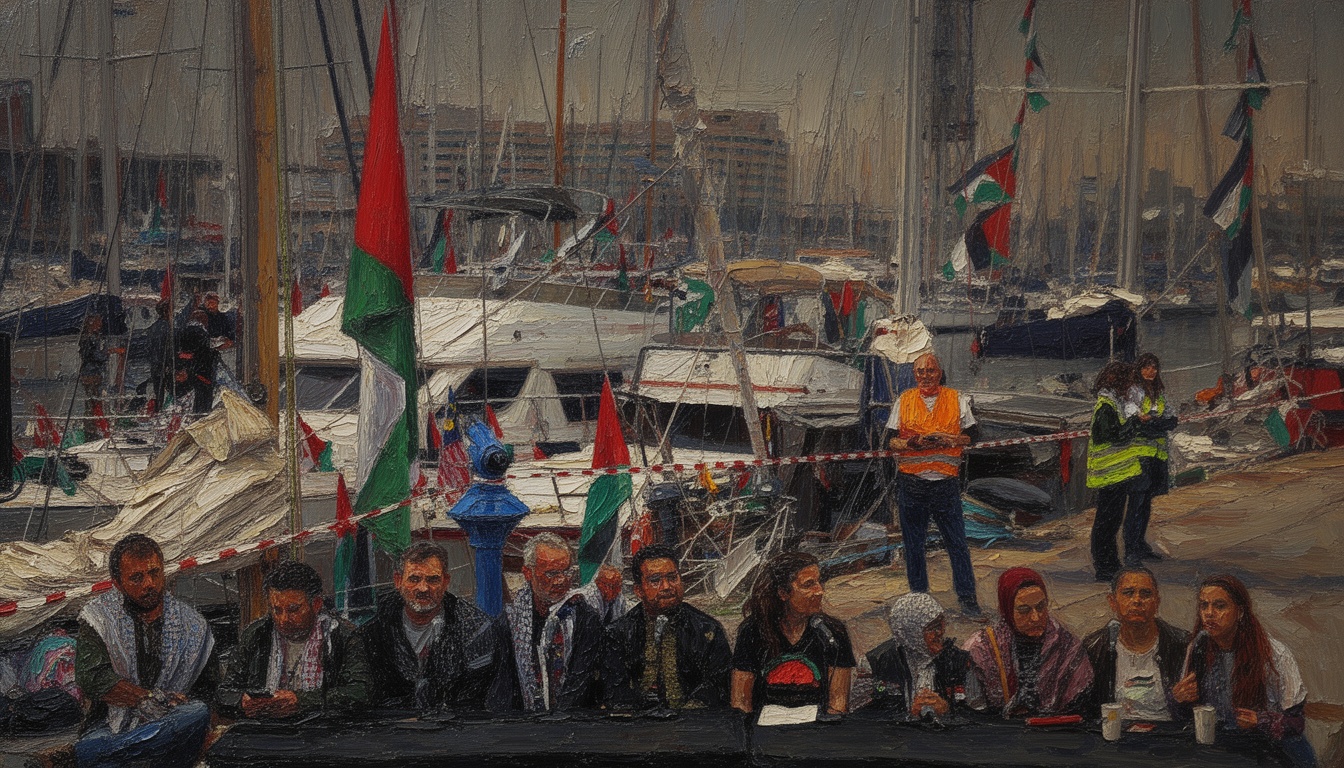
Sumud aid flotilla departs Spain to challenge Israeli blockade
A second Sumud-flavoured flotilla sails from Barcelona to Gaza with medical and humanitarian supplies. The departure tests the Israeli blockade and raises regional tensions as more vessels may join along the route. The flotilla arrives amid a long-standing humanitarian crisis and heightened security postures around maritime aid convoys.
The Global Sumud Flotilla has begun its voyage from Barcelona, aiming to deliver medical supplies and other humanitarian aid to Palestinians in Gaza. Approximately 30 boats were scheduled to depart the Mediterranean port city, each laden with relief materials. The mission seeks to break the Israeli blockade that has controlled access to Gaza by sea for years. The flotilla movement underscores persistent international interest in access to humanitarian relief in the enclave.
Background: The flotilla initiative echoes prior attempts by the same network, which previously assembled around 40 vessels last October. Those ships were halted by the Israeli military as they approached Gaza, thwarting the aid convoy at sea. Organizers frame the effort as a peaceful protest against what they describe as an ongoing blockade and a humanitarian crisis within Gaza. Israeli authorities routinely scrutinize and block aid flotillas they deem to pose security risks.
Strategic significance: The flotilla test raises questions about maritime law, blockade enforcement, and regional diplomacy. While humanitarian in intent, the move risks escalating confrontations at sea between protest organizers and Israeli forces. The international response—ranging from neutral observers to regional actors—will influence subsequent maritime relief attempts and may recalibrate disinformation and information-dominance strategies in the Gaza context.
Technical/operational details: The ships aboard the Global Sumud Flotilla are said to carry medical provisions and assorted humanitarian supplies. The exact composition and flag-state mix of the vessels were not fully disclosed, but organizers intend to coordinate along a route that brings the convoy toward Palestine. The security environment around Gaza’s maritime approaches remains highly dynamic, with potential threats ranging from interception to miscommunication and crowd-control incidents.
Consequences and forward assessment: If the flotilla reaches Gaza, it could prompt a renewed international spotlight on the blockade and Gaza’s humanitarian situation. Even if the ships are stopped, the initiative communicates persistent pressure on maritime routes into Gaza and may incentivize further non-state actor involvement. Analysts will watch for shifts in Israeli security posture, regional reactions, and the possibility of additional flotillas attempting similar missions.