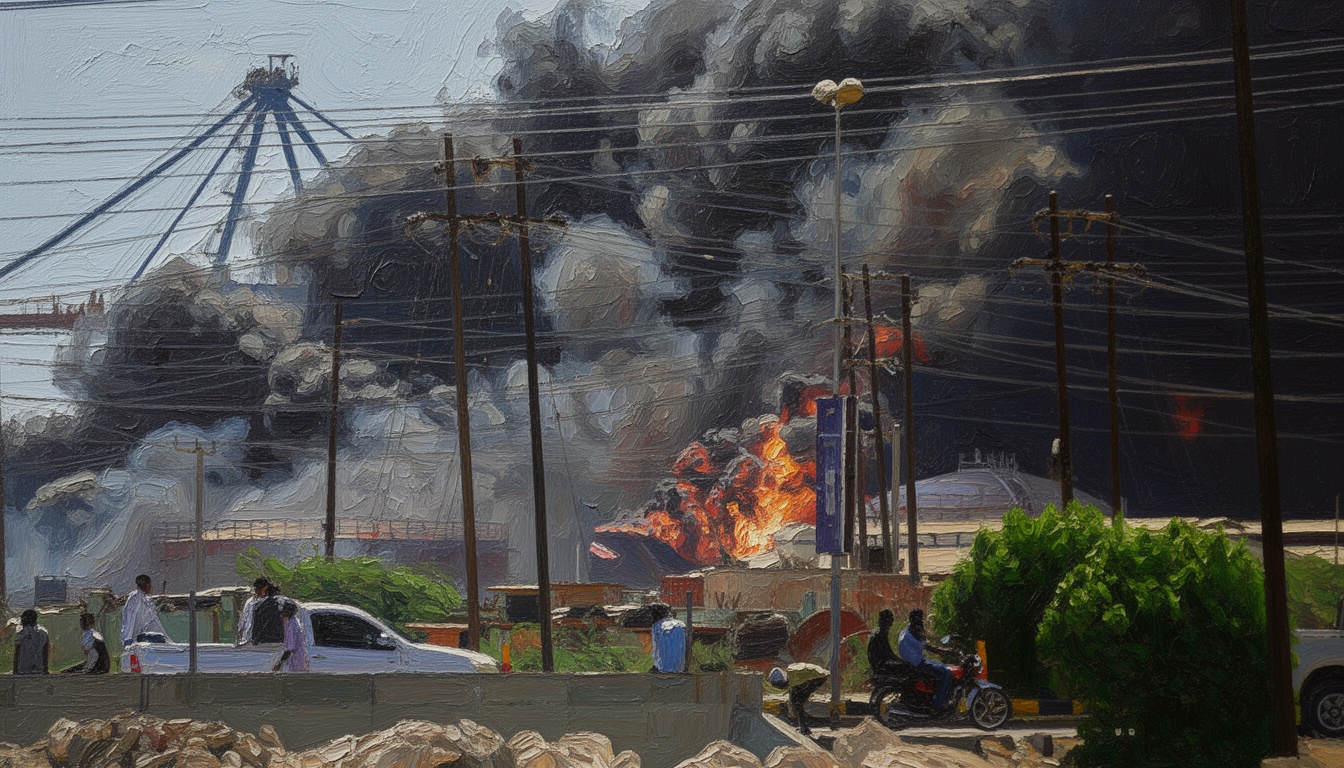
Sudan’s forgotten war: three years on, humanitarian catastrophe has no end in sight
Sudan’s three-year conflict has displaced 11 million people and killed tens of thousands. The war remains stalemated, civilians trapped in a spiral of violence and deprivation with no credible peace route in sight. The international response lags behind the scale of suffering, threatening regional stability.
Sudan’s three-year war has left a nation adrift in a protracted humanitarian nightmare. The fighting, though less visible in headlines today, continues to devastate towns and rural communities. Civilians bear the brunt, facing hunger, lack of medicine, and shattered livelihoods as aid deliveries struggle to reach hard-to-reach areas. The conflict shows no signs of a decisive end, with frontlines largely frozen and negotiators struggling to craft a viable ceasefire or political settlement.
Historical grievances, fractured governance, and regional competition over influence have fed the stalemate. Military actors on multiple sides retain leverage through control of key supply corridors and urban enclaves. International mediation efforts have produced temporary lulls, but substantive breakthroughs remain elusive. The humanitarian cost has escalated as displacement reaches 11 million, creating a sprawling patchwork of camps, host communities, and urban squalor.
Strategic consequences extend beyond Sudan’s borders. The crisis threatens food security along the Horn of Africa, disrupts regional trade corridors, and intensifies refugee flows toward neighboring countries. The absence of a peace process undermines the legitimacy of state institutions and risks a broader confrontation that could entail external patrons backing different factions. The crisis thus operates as a destabilizing force in a volatile regional security environment.