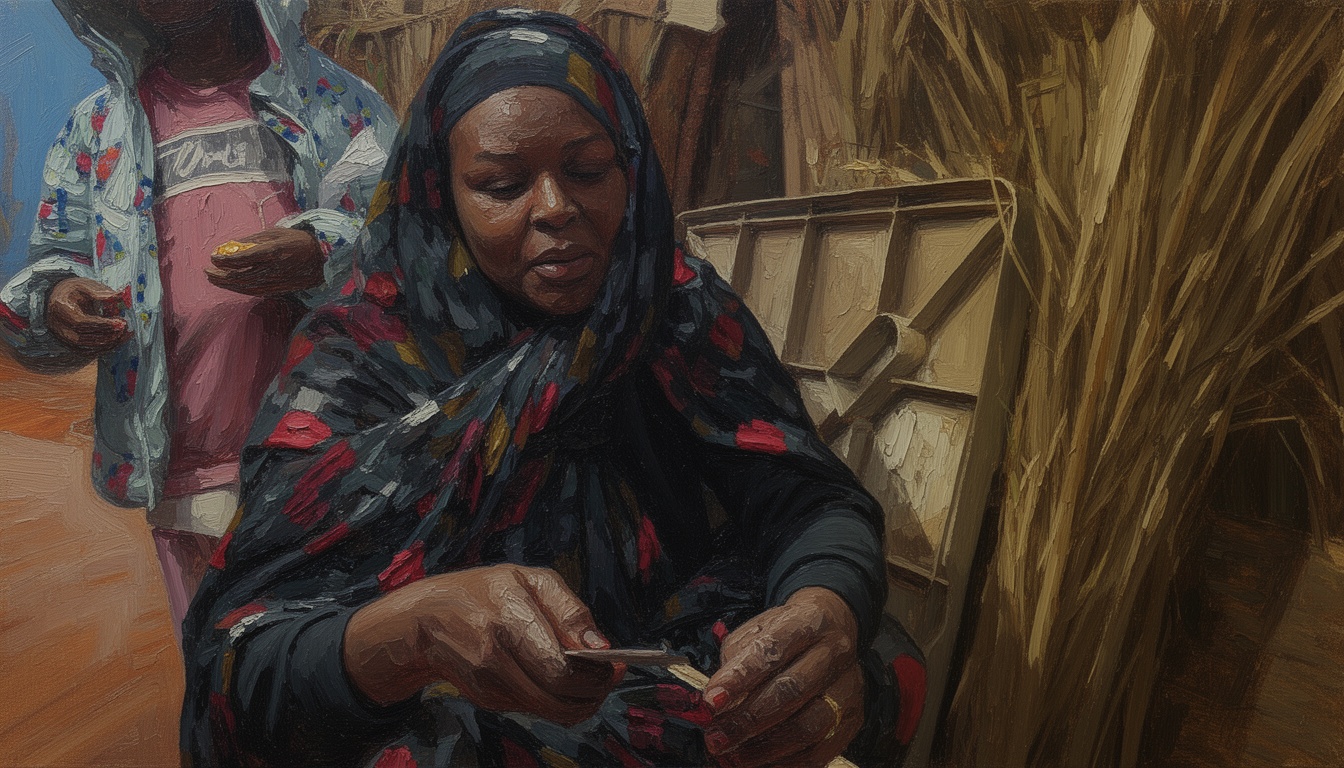
Sudan war drives refugees into Kufra, Libya
Sudan’s three-year conflict has displaced about 11 million people. Libyan Kufra province hosts 40,000–60,000 Sudanese refugees living in camps or towns. The flow reflects regional spillover from Sudan’s violence and raises humanitarian and security concerns for southeastern Libya.
The Sudanese war has pushed tens of thousands of civilians across borders, and Kufra in southeastern Libya is now a focal point of that movement. Within 250 kilometres of the Sudanese frontier, Kufra hosts an estimated 40,000 to 60,000 Sudanese refugees. They live in a mix of formal encampments and town neighborhoods, compounding local strain on resources and services. The broader displacement in Sudan totals about 11 million people, according to the latest estimates, illustrating the scale of regional human upheaval.
Kufra’s refugee presence underscores how interstate volatility can morph into local humanitarian and security challenges. Libyan authorities face the dual task of sheltering newcomers and maintaining public order in a region long accustomed to security pressures. The influx also elevates tension among host communities, where competition for water, housing, and jobs can become flashpoints. Regional actors watch Kufra closely as a microcosm of Sudan’s spillover effects.
Strategically, this refugee flow intersects with Libya’s fragile governance and security dynamics. The southeastern Libyan belt has historically been a corridor for transit and influence among militias and tribal networks. The Sudanese exodus adds pressure on border management, humanitarian access, and cross-border cooperation with authorities in Tripoli and the east. The situation tests European and regional willingness to fund and coordinate aid and stabilization.
Technically, the refugee estimate rests on field assessments from encampments and municipal aggregates in Kufra. Aid agencies track needs related to shelter, water, sanitation, food, and medical care, while assessing protection risks for women, children, and vulnerable groups. Local authorities are expanding informal holding areas and coordinating with international partners to maintain basic services and security. The situation in Kufra will likely influence cross-border aid planning and Libyan domestic policy for months to come.
Looking ahead, continued fighting in Sudan risks prolonging Kufra’s refugee burden and potentially widening security challenges along the Libyan-Sudanese frontier. Regional cooperation will determine the pace of aid delivery and border management improvements. If the conflict widens or persists, Kufra could become a more permanent displacement hub, shaping Libya’s southeastern stability and regional humanitarian policy.