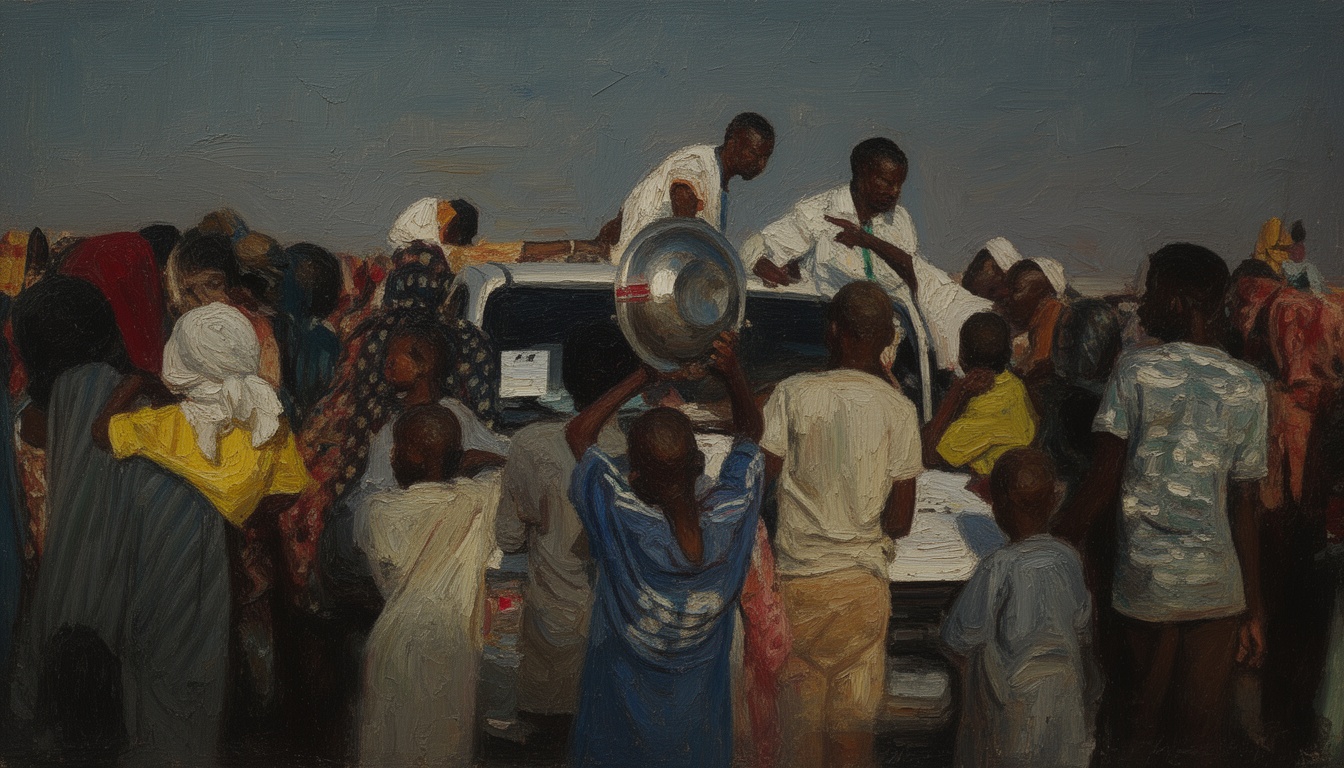
Sudan civil war: Civilians caught in the deadly crossfire of a ruthless army-RSF power struggle
Sudan’s war deepens as the army and RSF clash for control, ripping apart urban centers and forcing civilians into perilous survival. The conflict spirals beyond a simple factional fight into a systematic assault on noncombatants. International observers warn that the humanitarian crisis could destabilize the region unless a lasting settlement is achieved.
The Sudanese battlefield has hardened into a dangerous grind as the regular army and the RSF escalate their power struggle. Civilians find themselves trapped between bombardment, street fighting, and collapsing services. Aid corridors remain precarious or blocked, leaving thousands at risk of starvation, exposure, and medical neglect. The scope of the crisis is beyond a mere domestic dispute; it threatens regional stability and international humanitarian norms.
Observers describe a landscape where population centers become targets or collateral in the struggle for leverage. Hospitals report dwindling supplies as air and ground attacks disrupt supply lines. Displacement accelerates as families flee toward uncertain shelters, often crossing border zones with limited protection. The pattern resembles a systematic campaign against civilians rather than a simple frontline conflict between armed factions.
Strategic calculations appear to hinge on preempting a demobilized state and securing international recognition or influence over post-conflict governance. The fighting erodes legitimacy for both sides and complicates potential international mediation efforts. The political stakes extend beyond Khartoum to peripheral regions where local militias and security forces align with one faction or another. The risk of a protracted stalemate raises the prospect of chronic instability across large parts of the country.
Technical and operational details remain murky amid the chaos, but the drumbeat of clashes is clear. Aircraft overflight patterns, artillery range, and ground maneuver density point to intensified planning at the highest levels of command. Humanitarian access constraints, donor fatigue, and security concerns limit the timing and scale of relief efforts. The international community faces a choice between cautious engagement and a broader strategic push to deter unchecked violence.
The likely consequences include further mass displacement, regional spillover, and potential escalation into broader interstate pressures. A prolonged crisis risks eroding governance capacity, complicating counterterrorism efforts, and undermining fragile economic sectors. Analysts expect renewed international talks, but real progress hinges on a credible ceasefire, verified access for aid, and inclusive governance negotiations that address civilian protection and humanitarian needs.