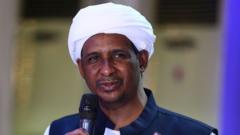
Sudan Accuses Uganda of Violating International Law by Hosting RSF Leader Dagalo
Sudan has formally condemned Uganda for receiving Mohamed Hamdan Dagalo, the leader of the Rapid Support Forces (RSF), labeling the action as a violation of international law. This development highlights rising tensions in the region amidst Sudan's ongoing internal conflict and the involvement of external actors.
Sudan has officially condemned Uganda for hosting Mohamed Hamdan Dagalo, the leader of the Rapid Support Forces (RSF), a paramilitary group involved in the ongoing conflict in Sudan. This meeting, characterized by Sudanese officials as an 'affront to humanity,' raises serious concerns regarding Uganda's commitment to international law and regional stability. Sudan has accused Uganda of undermining Sudan's sovereignty and supporting a faction responsible for significant human rights abuses during the country's civil unrest.
The strategic context of this incident is crucial as Sudan is currently embroiled in internal conflict following the military coup in 2021, which has led to widespread violence and instability. The RSF has been a central player in the conflict, often clashing with the Sudanese Armed Forces. Uganda's meeting with Dagalo signals potential support for the RSF amidst Sudan’s internal strife, affecting its regional alliances and security dynamics.
Key players in this situation include Sudan, under the military-led interim government, which views Dagalo as a primary antagonist, and Uganda, which has historical ties to various factions within Sudan. Uganda’s motivation may stem from a desire to maintain influence in Sudan during this period of instability and to counter the influence of rival actors within the region. This meeting could signify a potential shift in regional alignments, with Uganda potentially positioning itself as a mediator or supporter of the RSF.
The regional implications of Uganda's actions are significant, as they may embolden the RSF while further isolating the Sudanese government. This could lead to increased hostilities within Sudan and potentially draw in other neighboring states, complicating the already fragile regional security landscape. Furthermore, if Uganda continues to support the RSF openly, it could strain its relationships with other countries that back Sudan's interim government, such as Egypt and the Gulf states.
Historically, external support for internal factions has often exacerbated conflicts in the Sudanese context, drawing parallels to previous interventions in Sudan's prolonged civil wars. The ongoing tensions could escalate further, leading to more pronounced conflict across borders and humanitarian repercussions, affecting millions of civilians caught in the crossfire.
In conclusion, analyst assessments indicate that Uganda's engagement with Dagalo represents a dangerous precedent that could entrench divisions in Sudan and destabilize the broader East African region. The situation warrants close monitoring as further developments may reshape alliances and pose new security challenges in the near future.