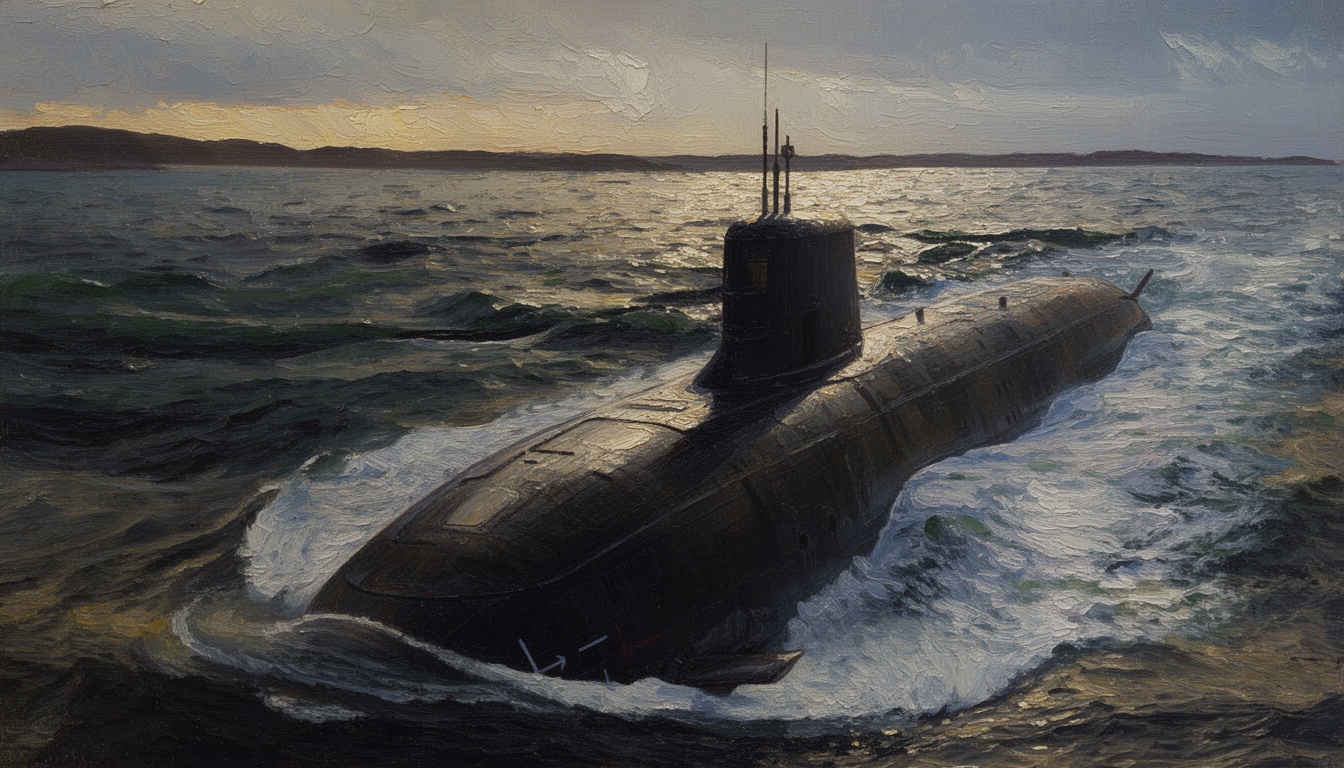
SSN Tech Friction: AUKUS Partners Struggle to Shape Combat System
A panel of industry leaders identifies friction among AUKUS nations over the combat control system for future nuclear-powered submarines. The stakes center on control of critical design decisions and integration with propulsion, sensors, and weapons. The dispute signals potential delays and a reshaping of regional deterrence dynamics.
AUKUS partners face friction over the design of the combat control system for future SSNs, with Australia and the United Kingdom noting limited influence in key decisions. The panel credited with industry leadership flags embedded disagreements that could slow progress toward a common architecture. The core issue is how the control system will fuse navigation, weapons handling, and sensor data in a single interoperable network. Delays in aligning governance and standards threaten the schedule for initial sea trials and production milestones.
This friction sits atop a broader context of diversified industrial ecosystems and security priorities within the AUKUS framework. The United States maintains a central role, but partner autonomy in technology choices remains a sensitive political and industrial question. The panel argues that divergent national rules, export controls, and supplier networks complicate joint development. In parallel, competing vendors seek to anchor key components in their own supply chains, raising risk of integration gaps.
Strategically, the dispute could recalibrate deterrence in the Indo-Pacific by delaying the fielding of a unified SSN capability. If unaddressed, it may pressure alliance cohesion and create openings for adversaries to exploit timing mismatches. Washington, Canberra, and London will likely push for accelerated governance reforms and tighter multilateral engineering reviews. The outcome will influence future naval deterrence, alliance interoperability, and regional power dynamics.
Technically, the combat system in question aims to integrate fire control, hull- and mission-sensor data, digital telemetry, and cyber-resilient networks for stealthy, high-speed submarining. Specifications under discussion include processor farms, open-architecture interfaces, and common communications protocols across platforms. Budget allocations and buy-in from domestic defense industries will be decisive factors in meeting milestones. The likely consequence is a staged rollout of shared subsystems with national plug-ins, potentially prolonging the time-to-first-attack capability.
Looking ahead, expect intensified trilateral governance forums and accelerated risk-reduction demonstrations to compress technical deadlock. If a workable compromise emerges, it will sharpen AUKUS as a credible, integrated deterrent rather than a fragmented multi-system effort. Conversely, persistent friction could shift focus to parallel, less-integrated submarine programs or alternative propulsion and control architectures, reshaping regional dissuasion and industrial leverage.