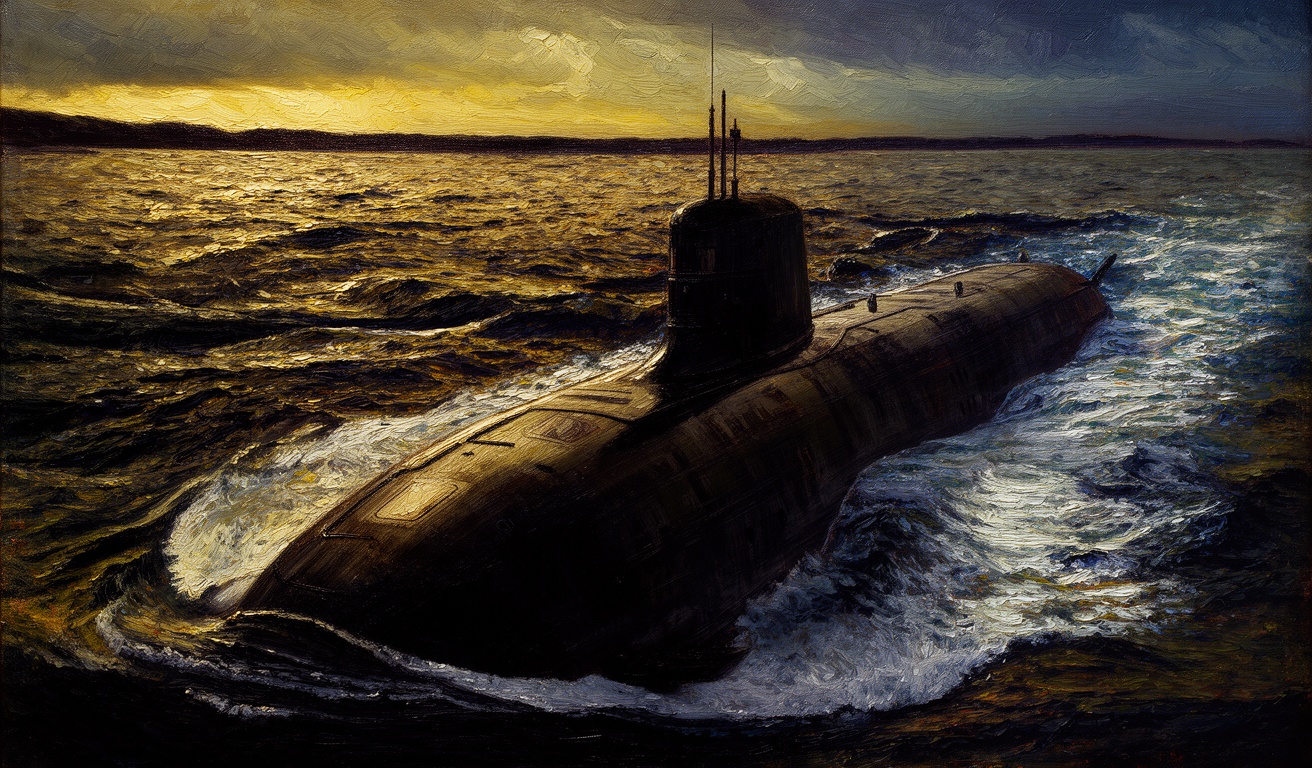
SSN AUKUS reactors move into production, say Rolls-Royce
Rolls-Royce Submarines’ director for future programmes outlined the SSN AUKUS reactor program’s current progress and upcoming milestones at UDT 2026. The briefing signals a sustained push to deliver advanced naval propulsion for alliance nuclear submarines. The development carries broad implications for allied deterrence and industrial capacity.
The SSN AUKUS reactor program has entered a critical production phase, according to Rolls-Royce Submarines’ director for future programmes. He detailed the current build status and future milestones during UDT 2026, underscoring that components and systems are advancing on schedule. The briefing framed the program as progressing beyond laboratory success toward real-world production readiness. Executives stressed that timeline pressures are matched by rigorous safety and certifications across design, fabrication, and integration streams.
Context for the AUKUS propulsion effort centers on combining advanced reactor technology with submarine platforms to extend underwater endurance and strategic reach. The program sits at the nexus of alliance deterrence, industrial base expansion, and technology maturation. Observers note that UK and Australian industrial tenors are converging with US requirements to sustain long-term reactor supply chains. The discussion at UDT 2026 highlighted risk-management practices aimed at avoiding schedule slips that could ripple through regional security dynamics.
Strategic significance rests on the ability of allied forces to field high-endurance nuclear propulsion with scalable industrial capacity. The reactors’ successful production would enhance deterrence by complicating adversaries’ calculations about long-range, covert deployment. Analysts anticipate near-term alignment with joint training, safety regimes, and maintenance frameworks essential for multi-national submarine operations. The long game is a durable, mission-ready propulsion architecture for a politicized regional balance of power.
Technical and operational details emphasised by Rolls-Royce include a lean, integrated program structure and rigorous qualification campaigns. Details on component build-out, supplier diversification, and quality assurance processes were framed as core to maintaining a defensible supply chain. Budget envelopes and cost-control mechanisms were acknowledged, with emphasis on long-term lifecycle support. The speaker reinforced the importance of cross-domain interoperability for integrated naval operations and risk-reduction in complex maritime environments.
The likely consequences include accelerated integration of propulsion tech into allied submarine fleets, enhanced cooperative industrial capabilities, and tighter security cooperation on nuclear stewardship. Analysts expect continued public-briefing cadence from the program as milestones approach. Looking forward, the production phase will test program governance, cross-national logistics, and the ability to maintain secrecy around sensitive propulsion developments.