Sri Lanka Denies US Warplane Base Ahead of Iran Conflict
Sri Lanka declined U.S. requests to host armed warplanes prior to the Iran conflict, aiming to maintain neutrality and avoid regional entanglement. This decision highlights Colombo's strategic intent to steer clear of geopolitical conflicts in the Indian Ocean.
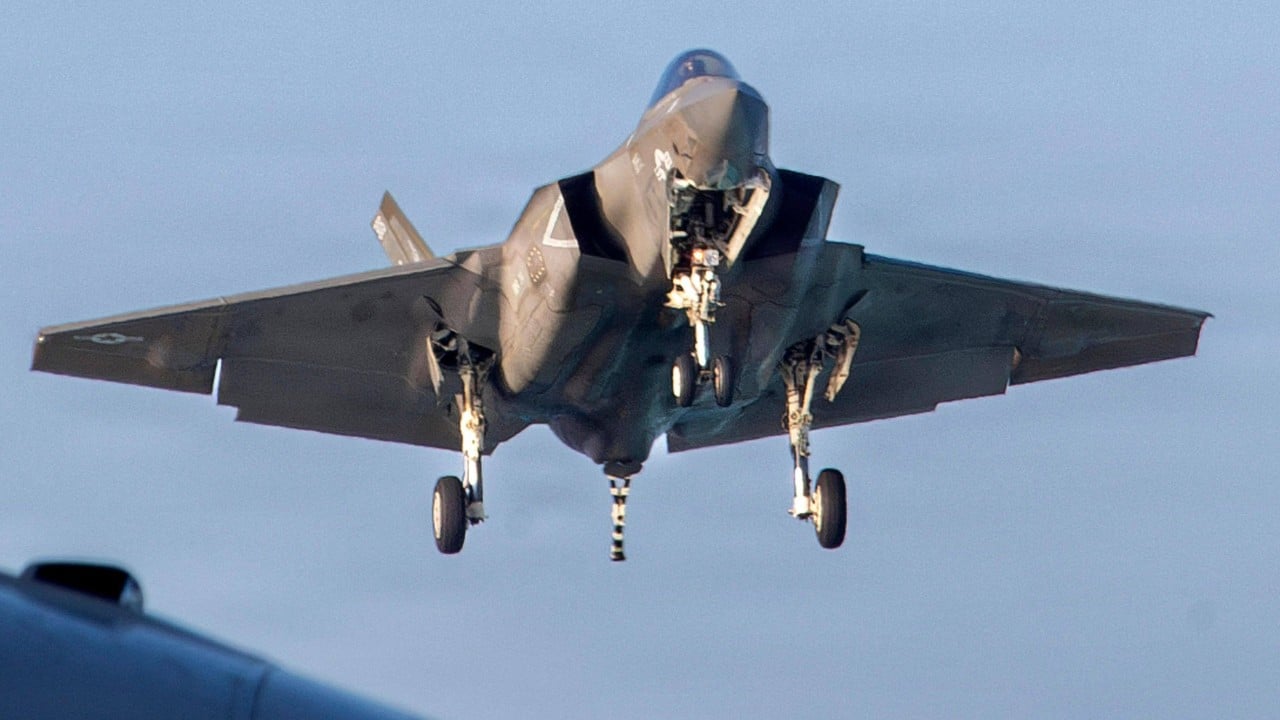
In late February, just days before the outbreak of hostilities between the United States, Israel, and Iran, Washington formally requested Sri Lanka to permit two armed U.S. warplanes to operate from an airport on Sri Lanka’s southern coast. Sri Lankan President Anura Kumara Dissanayake publicly disclosed the refusal, underscoring the island nation's reluctance to become involved in external military confrontations that offer no direct benefits.
The request involved relocating two aircraft from a U.S. base closer to the Middle East to Sri Lanka's strategic southern airfield. Technically, this would have enhanced U.S. operational reach in the Indian Ocean and potentially facilitated rapid response in the region. However, Sri Lanka's decision prioritizes sovereignty and regional stability over aligning with external powers amid escalating tensions.
This move carries significant strategic implications. Sri Lanka’s denial signals its desire to maintain a neutral posture amidst intensifying US-Iran tensions, which could otherwise drag the country into broader geopolitical rivalries. Situated along critical maritime routes in the Indian Ocean, Sri Lanka’s stance influences strategic calculations for major powers seeking regional access.
The announcement reflects Colombo's cautious foreign policy approach and serves as a reminder of the delicate balance smaller states must navigate when situated near conflict zones. U.S. military planners will likely reassess their regional basing strategies in response, given the potential diplomatic backlash inherent in expanding military footprint in sensitive geopolitics.
Commercially, Sri Lanka’s decision could prompt trade repercussions from the U.S. or its allies, but it also assures regional partners of Colombo’s commitment to peaceful engagement and non-alignment. The refusal underscores the complex interplay between defense logistics and diplomacy in contemporary conflict environments.