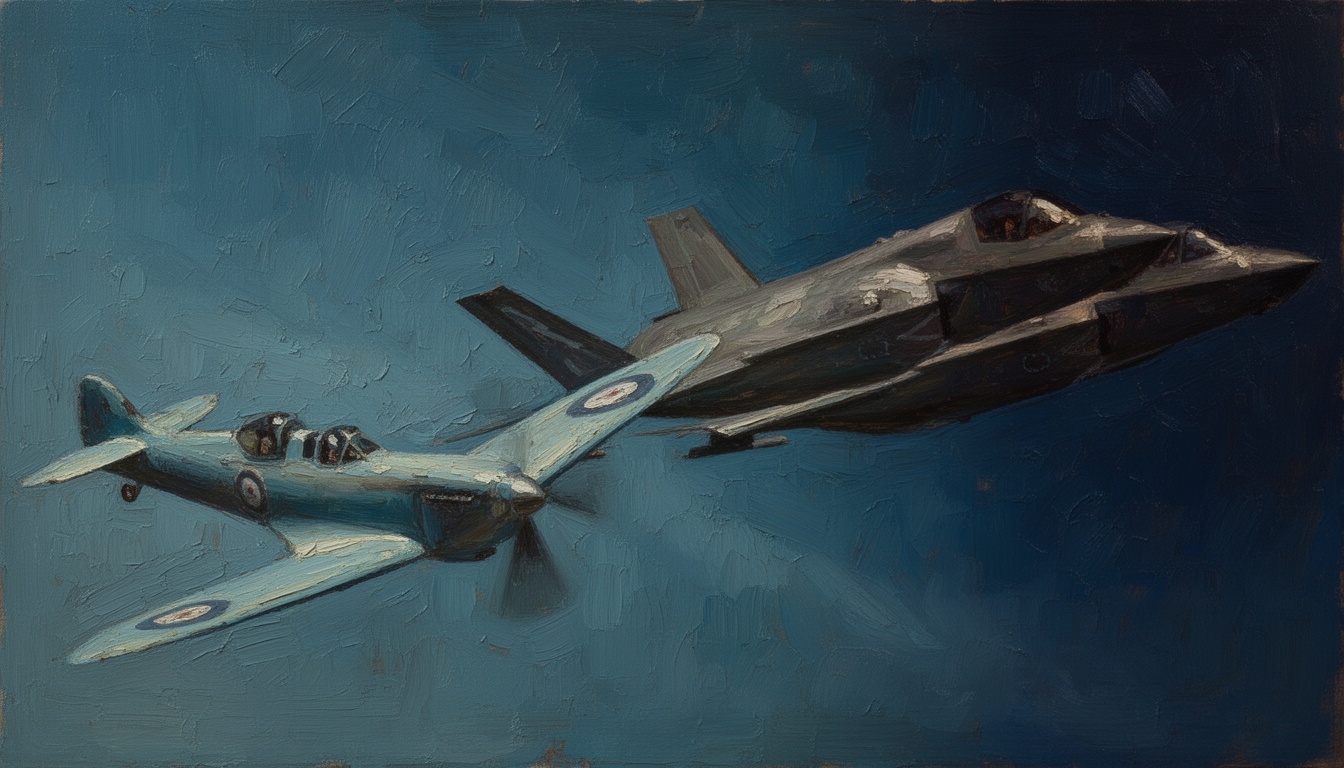
Spitfire Completes Unique Formation Flights With RAF
Historic commemorative flights reunite a Spitfire with the Royal Air Force to mark the 90th anniversary of its first flight. The event showcased vintage and frontline RAF aircraft in coordinated formations. Officials frame it as a public diplomacy and heritage display rather than a current combat capability exercise.
A Spitfire completed a rare formation flight alongside several frontline Royal Air Force aircraft to celebrate the 90th anniversary of its first flight. The maneuver brought together vintage and modern platforms in a ceremonial display intended for public viewing and airshow audiences. While heritage in nature, the formations demonstrate continued close air heritage cooperation between historic types and today’s RAF fleets.
Background: The Spitfire, whose first flight occurred in the mid-1930s and which became emblematic of Britain's industrial and military prowess, has been a staple of air displays for decades. The 90th anniversary event marks a milestone in preserving aviation history and educating new generations about the aircraft’s role in WWII and postwar developments. RAF airfields frequently coordinate such commemorations with display teams, museums, and civil aviation partners.
Strategic significance: The exercise has limited strategic impact on current balance of power or deterrence. Instead, it reinforces public awareness of national aerospace heritage and the long-running relationship between the UK’s historic aircraft and active RAF units. In a broader sense, it contributes to soft power by highlighting technical discipline, maintenance culture, and risk management in flight operations.
Technical and operational details: The Spitfire participated in a staged formation with multiple frontline RAF types, all flown in controlled, choreographed sequences. The event highlighted the aircraft’s maneuvering characteristics, formation etiquette, and reliability in a non-operational context. Budget and procurement specifics were not central to the display but the event underscored ongoing support for preservation airframes and restoration programs within the UK defense heritage sector.
Consequences and forward assessment: Public engagement with aviation heritage can bolster recruitment and interest in STEM fields. For defense analysts, the display signals disciplined maintenance and historical continuity within the RAF’s public-facing mission. Looking ahead, expect more heritage-focused events to accompany major anniversaries of iconic platforms, strengthening national narratives around airpower history.