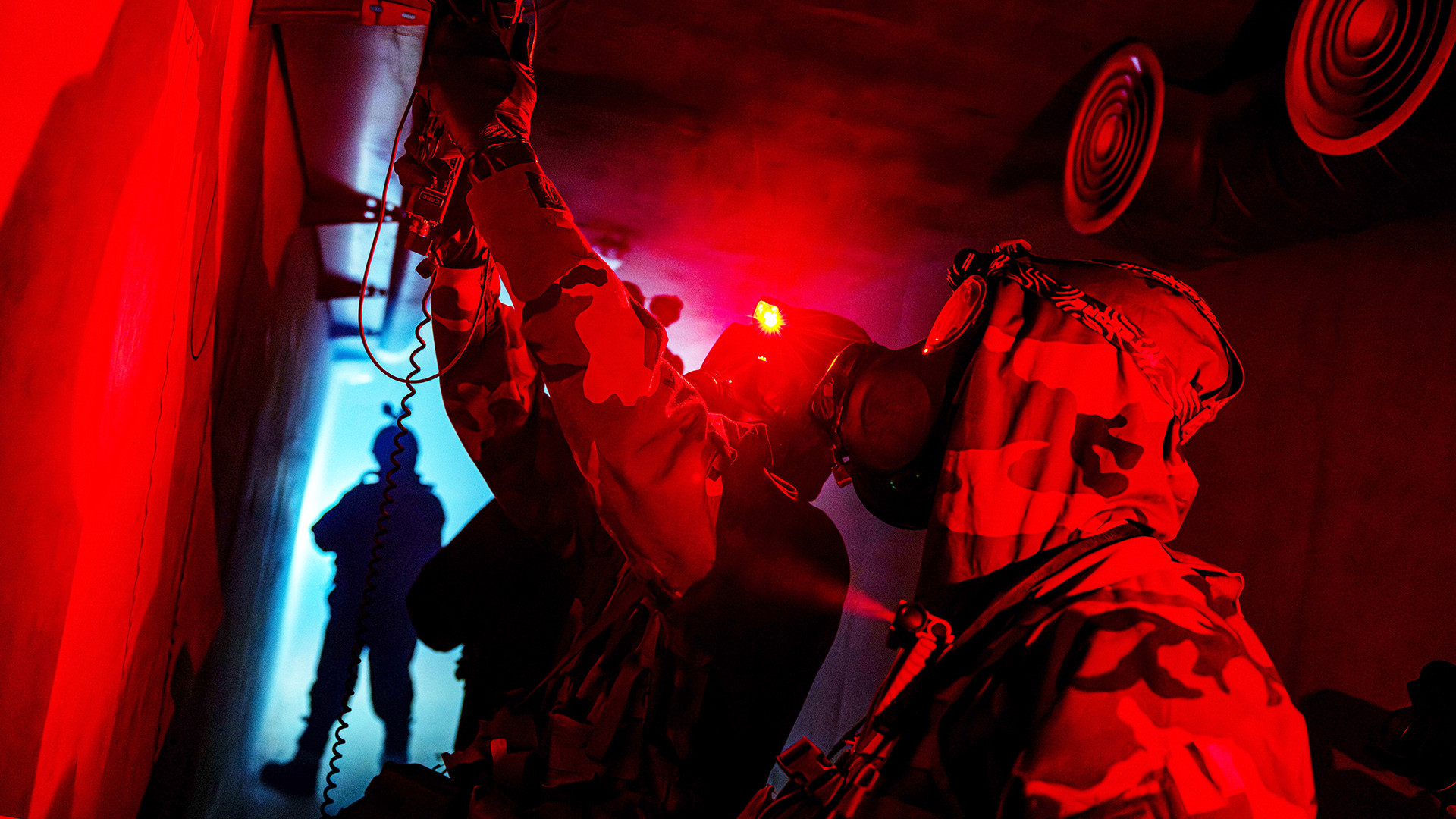
Special Operations Raid on Iran's Enriched Uranium Becomes Urgent Threat
Targeting Iran's enriched uranium now poses significant risks to regional security. A military raid may become necessary to prevent nuclear material from destabilizing global power dynamics.
A critical window has emerged regarding the potential for a special operations raid on Iran's enriched uranium sites as Western officials assess the urgency of preventing this nuclear material from remaining under the regime's control. Recent intelligence reports indicate that Iran has significantly increased its uranium enrichment activities, pushing its stockpile to unprecedented levels. The possibility of a unilateral military intervention looms as diplomatic efforts to restrain Iran's nuclear ambitions falter.
The current situation is rooted in Iran's decades-long pursuit of nuclear capabilities amid a backdrop of international sanctions and failed negotiations. Despite agreements like the Joint Comprehensive Plan of Action (JCPOA), Iran's clandestine facilities and non-compliance have only intensified global concerns. The U.S. and its allies are now on high alert as Tehran continues to defy limits by enriching uranium to 60%, dangerously close to weapons-grade levels.
This development strikes at the heart of regional balance, with Iran emboldening its nuclear program, directly challenging U.S. interests and partnerships in the Middle East. Neighboring countries, notably Israel, perceive this as an existential crisis, prompting discussions of preemptive strikes against Iranian facilities. Failure to act may embolden Iran, posing severe risks, including nuclear proliferation across the region and increased hostilities.
Key actors remain deeply motivated by the potential ramifications of Iran's nuclear advancement. The Israeli government views a nuclear-armed Iran as an existential threat, warranting aggressive military options. Meanwhile, nations such as Saudi Arabia and the UAE are likely to adjust their own military strategies and potentially pursue their own nuclear capabilities, escalating an already volatile environment.
Iran allegedly possesses advanced centrifuge technology, specifically the IR-6, which is capable of enriching uranium at unprecedented speeds — raising alarms about its ability to develop nuclear weapons. Analysts estimate that Iran could achieve weaponization within months if these efforts are not curtailed, heightening the imperative for action. Current U.S. military readiness in the region includes assets like aircraft carriers and fighter jets, fortified to respond to a potential flare-up.
The consequences of a military raid could set off a chain reaction of escalation, as Iran is likely to retaliate against U.S. forces or allies in the region. Regional proxies could increase their attacks against U.S. personnel and interests, destabilizing Iraq and Syria further and drawing in neighboring states. Diplomatic ties might fray, pushing adversarial nations into alliances that threaten U.S. geopolitical strategy.
This situation evokes historical precedents such as Israel's 1981 strike on Iraq's Osirak reactor, aimed at halting Saddam Hussein's nuclear ambitions. The 2007 airstrike on Syria's al-Kibar site also showcases the risks and ramifications of preemptive actions against perceived nuclear threats, often leading to increased regional tensions. The fallout from such strikes can be unpredictable and may push adversaries closer together.
Moving forward, the international community must monitor Iran’s enrichment levels and the development of military responses closely. Key intelligence indicators include shifts in military deployments around Iranian facilities, patterns of escalating rhetoric from Iranian leaders, and increased activity from Israel’s air force. A definitive decision to authorize a raid could come swiftly, following a new intelligence breakthrough or a sudden spike in enrichment activity, signaling an urgent need for intervention.