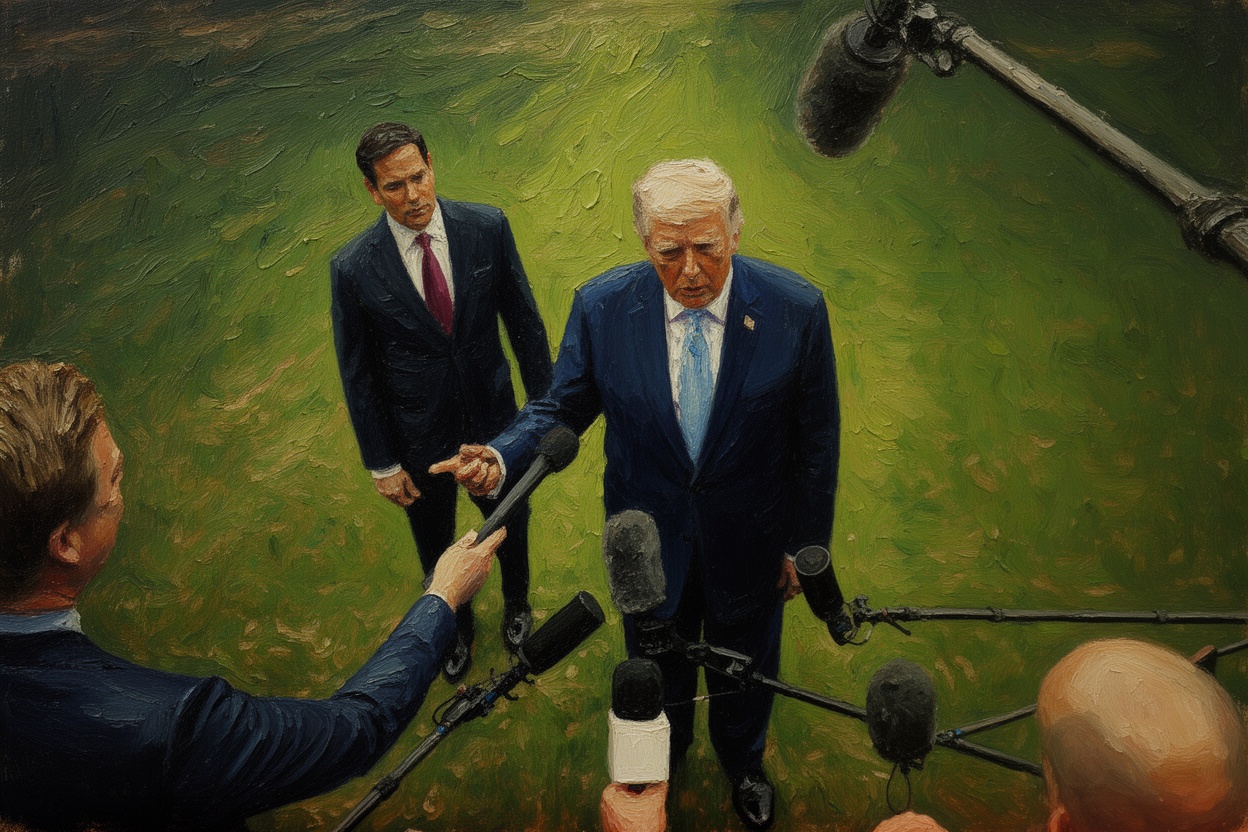
Spain Blocks US-Iran NATO Operation, Sparks Alliance Crisis
Senator Marco Rubio warns NATO faces a critical test after Spain blocks US use of its bases for operations against Iran, exposing fractures in alliance unity. This move disrupts strategic US military deployments and signals rising tensions within NATO on Middle Eastern policy.
Senator Marco Rubio declared a serious crisis within NATO after Spain refused to allow the United States to utilize its military bases to launch operations against Iran. Rubio labeled the decision “very disappointing,” emphasizing the grave implications for alliance cohesion. The US planned to use Spanish bases as strategic launch points to counter escalating Iranian threats.
NATO was founded on collective defense and unified operational planning, but this bloc now shows cracks as members diverge over Middle East engagements. Spain’s stand breaks from usual solidarity, complicating US efforts to mount coordinated pressure on Iran after repeated attacks in the region. This refusal follows increased scrutiny within NATO on balancing deterrence against Iran and managing political divisions.
Strategically, the Spanish blockade significantly undermines US capacity to deploy forces swiftly from southern Europe for Middle Eastern contingencies. It signals growing contestation inside NATO about how to address Iran’s destabilizing activities while preserving alliance unity. Other NATO states may reconsider their commitments or impose greater limits on support as Spain’s decision reflects broader geopolitical shifts.
The bases Spain controls include key logistics and air facilities with capacities to host fighter jets, drones, and surveillance assets integral to the US's operational plans. Without guaranteed access, the US military must reroute deployments through less optimal locations, increasing operational costs and reducing readiness against Iranian provocations. Analysts warn this setback complicates future US-NATO interoperability and may embolden Tehran.
Looking ahead, NATO faces urgent internal challenges. The alliance must reexamine policies toward Iran, reconcile member state differences, and restore unified military strategies to prevent operational fragmentation. Failure risks emboldening Iran and weakening Western influence in critical theaters, demanding renewed diplomatic effort coupled with clear defense commitments to maintain deterrence.