Space Force Programs for Golden Dome Get Big FY27 Budget Boost
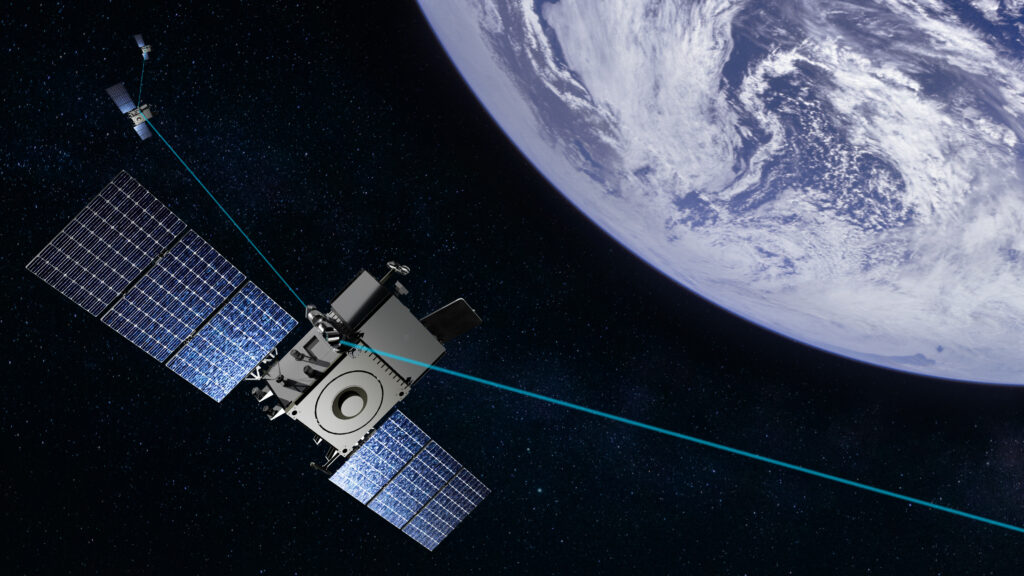
Space Force programs tied to the Golden Dome missile-defense concept will receive a major budget increase in FY27. The funding focuses on missile warning and tracking and on an emerging Space Data Network intended to route space sensor data to shooters on land, in the air, and at sea.
Space Force programs supporting Golden Dome are set for a major boost in the FY27 budget. The request highlights expanded missile warning and tracking capabilities. It also points to a new effort to move sensor data faster and more reliably from space to defenders.
The Golden Dome concept depends on a continuous “sensor-to-shooter” flow, not just intercept hardware. Missile warning and tracking programs aim to improve how quickly threats get detected, identified, and characterized. The plan also reflects a shift toward networked defense, where decisions rely on data passed between systems rather than isolated platforms.
Strategically, the FY27 increase signals a push to shorten the engagement timeline. Faster cueing can increase the odds that interceptors or other countermeasures act while targets remain within workable ranges and geometries. It also strengthens deterrence by demonstrating sustained investment in missile defense architecture, not only procurement of interceptors.
Operationally, the budget focus includes missile warning and tracking programs and the emerging Space Data Network. The Space Data Network is being developed to ferry space sensor data to shooters on the ground, in the air, and at sea. That cross-domain routing matters because shooters sit in different command-and-control environments and may need timely data updates to remain aligned on the threat track.
If the funding materializes as described, the Space Force will likely accelerate integration work between space sensing, communications, and deployed defense elements. The likely outcome is tighter coordination across land, maritime, and airborne defensive nodes. It also raises the bar for data link capacity, accuracy, and resilience, since any latency or dropouts could degrade the effectiveness of the engagement chain.