South Korea's Holocaust remark triggers Israeli outcry
A social media post by South Korean President Lee Jae Myung comparing Israel Defense Forces actions to the Holocaust sparks international backlash and domestic criticism. The incident risks inflaming Israel-South Korea relations and complicates Seoul's regional diplomacy. Analysts warn of reputational damage and potential shifts in security cooperation with Israel.
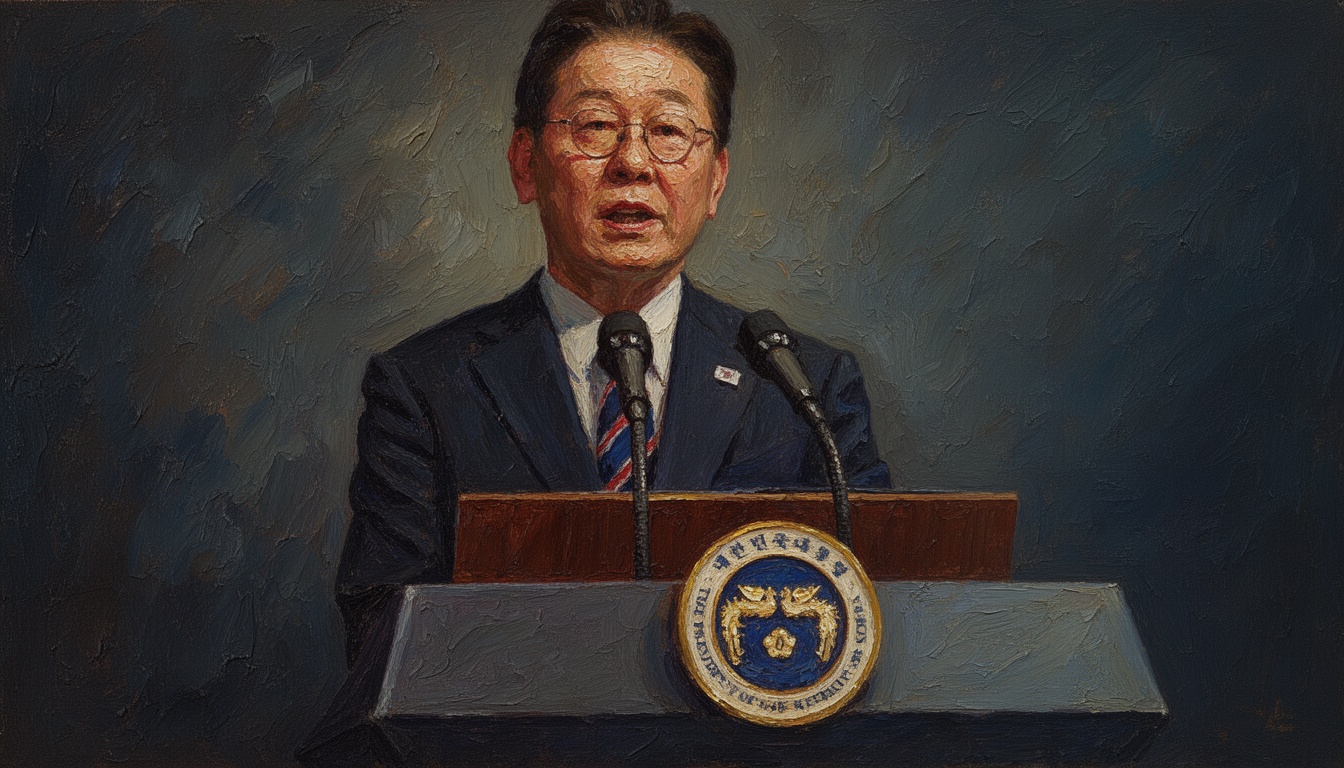
A social media post by South Korea's president likened the Israeli military's actions against Palestinians to the Holocaust, triggering a sharp international rebuke and domestic backlash. The president compared wartime killings by the Israel Defense Forces to the Jewish massacre carried out by Nazis in World War II, and shared footage captioned as showing torture and a Palestinian being thrown from a roof. The post was quickly deleted, but the controversy intensified across diplomatic and political channels. Critics described the remarks as historically insensitive and dangerous for regional stability, while supporters argued for a harsh condemnation of actions in Gaza and the West Bank.
The episode underscores the volatility of Middle East diplomacy and the fragility of public discourse on sensitive historical traumas. It arrives amid ongoing Israeli-Palestinian confrontations and mounting international pressure for a ceasefire. South Korea, a major trader and ally to both the US and parts of the Middle East, now faces a delicate balancing act between public opinion, alliance commitments, and its growing global stake. The row illustrates how social media amplification can escalate political fault lines for states far from the conflict. Analysts say the incident could complicate Seoul's defense industry diplomacy and intelligence-sharing dialogues with Tel Aviv.
Strategically, the remarks threaten to complicate Seoul's defense relationships in a region where Israel is a central security partner for many allies, including those pursuing advanced military technology. Washington has emphasized alliance cohesion, while regional actors watch for Seoul's next moves in arms sales and joint exercises. The president’s comments risk triggering a cooling of high-level engagements and complicating joint research on defense procurement, including sovereign wealth fund-backed defense projects in Korea.
Technically, the episode did not involve any military action or verifiable operational details. Instead, it centers on rhetoric and symbolic condemnations that can influence international support or opposition to humanitarian protections and ceasefire negotiations. Domestic political dynamics in South Korea are likely to further polarize the debate, while Israel and Palestinian authorities will monitor responses from Seoul before weighing any formal diplomatic steps. In the near term, Seoul may seek to repair ties through clarifications and assurances of adherence to international humanitarian law, while balancing domestic demands for accountability with alliance obligations.
The likely consequences include a cooldown in security dialogues with Israel, potential shifts in arms-deal timelines, and intensified scrutiny of Seoul's public diplomacy. If the controversy persists, it could prompt a broader reevaluation of South Korea's role in Middle East security architecture. Forecasts point to a cautious re-engagement, with South Korea signaling commitment to humanitarian norms while defending its strategic interests and alliance commitments.