South Korea Proposes Reduced Scale for Freedom Shield Exercises, Delaying Joint Briefing
South Korea's proposal to scale back the Freedom Shield military exercises with the US reflects shifting strategic priorities aimed at reducing regional tensions with North Korea. The postponement of the joint press briefing suggests significant disagreements over military strategy and diplomatic approaches to the North Korean threat.
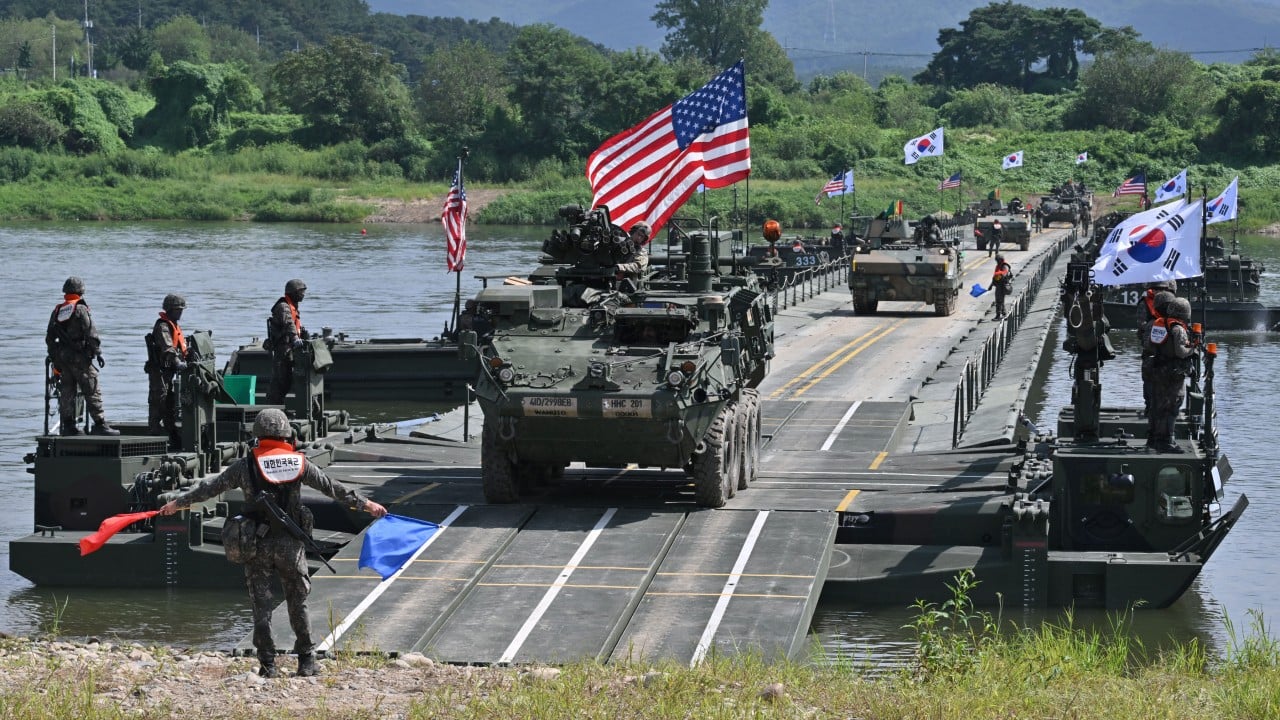
During the yearly Freedom Shield military exercises, South Korea and the United States, two allies with a robust military partnership, are experiencing a rift over the scale of their upcoming drills. South Korea has proposed a reduction in the exercises' intensity, aiming for smaller, less confrontational drills, which could potentially serve as a diplomatic overture to North Korea. This year's exercise, typically a display of military might, has elicited strong criticism from Pyongyang, which consistently perceives them as rehearsals for invasion.
The proposal from South Korea comes during a critical period in North Korean relations, specifically following the cessation of substantial diplomatic engagements since 2019. The shift towards smaller drills aligns with Seoul's strategic objective to create an environment conducive to dialogue, possibly reopening channels previously shut down after the failed denuclearization talks. As military tensions remain high on the Korean Peninsula, the resolution of these differences over exercise scale bears significant implications for security dynamics in Asia.
Key players in this situation include the South Korean government, which is seeking to balance defense readiness with diplomatic overtures, and the US military command, which traditionally emphasizes strong military displays to deter North Korean aggression. The US might view South Korea's proposed changes as undermining deterrence, complicating the allied military response framework in a region often marked by unpredictability.
The implications of these developments extend beyond the Korean Peninsula, as they could signal a shift in the US-South Korea defense relationship and impact regional security commitments. Should South Korea successfully implement a strategy involving scaled-back military exercises, it may encourage North Korea to reciprocate with reduced missile testing or diplomatic engagement, fundamentally altering the military balance in Northeast Asia.
Historically, the Freedom Shield exercises have showcased US-South Korea military cooperation and were intended to deter North Korean provocations. Any significant change to this annual routine could set precedence for future military collaboration in the region, potentially emboldening Pyongyang or other regional actors.
Analysts suggest the situation merits close observation, as a successful diplomatic initiative may foster a more stable security environment, while failure could exacerbate military tensions and provoke further provocations from North Korea, undermining regional stability.