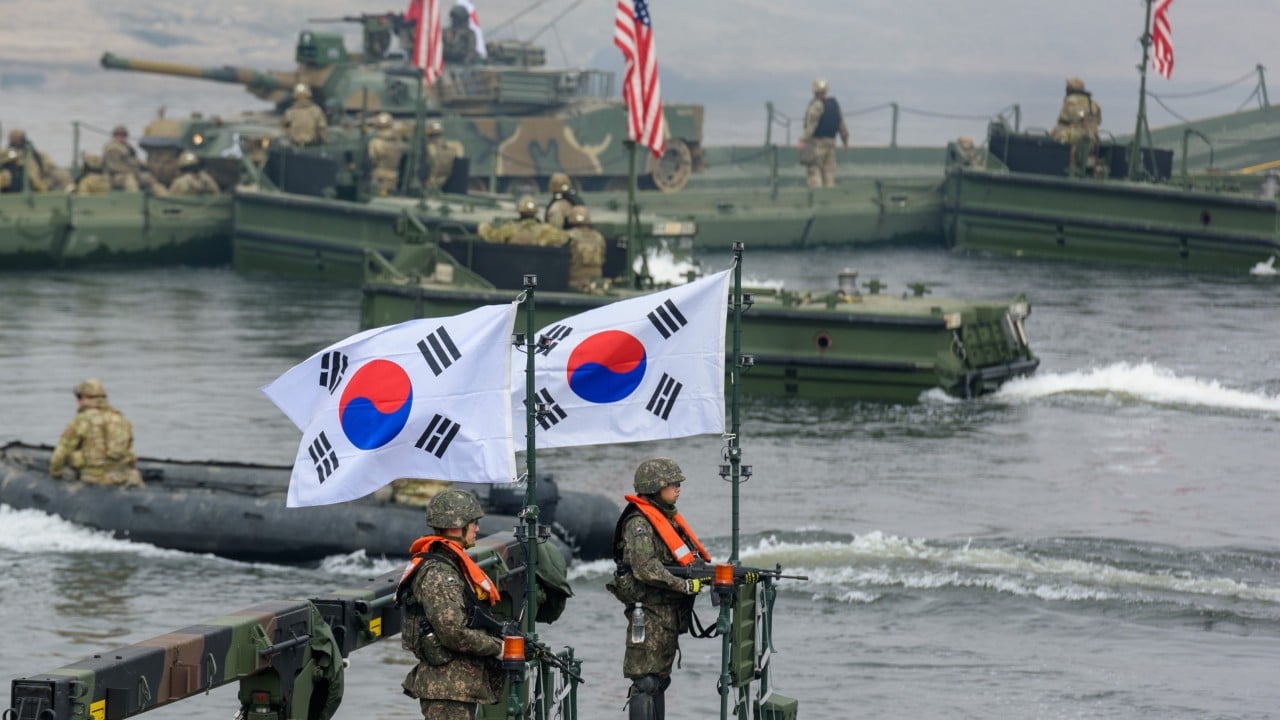
South Korea Faces Vulnerability as US Considers Air Defense Shift to Middle East
The potential redeployment of US air defense assets from South Korea to the Middle East raises alarms over the security of the Korean peninsula, exposing South Korea to increased risks from North Korean provocations. This shift signals a worrying shift in US strategic priorities in the Indo-Pacific region.
Reports indicate the United States is contemplating the redeployment of key military assets, potentially shifting air defense systems from South Korea to the Middle East. This development has ignited significant unease in Seoul, with officials warning that such a move could detract from US deterrence capabilities on the Korean peninsula. The tension surrounding this possibility underscores the fragile balance of power that South Korea maintains in the face of ongoing threats from the North.
Historically, the presence of US missile defense systems in South Korea has been a cornerstone of the region's security architecture, particularly in response to North Korean ballistic and nuclear advancements. After the North's progression toward intercontinental ballistic missiles capable of targeting the US mainland, the strategic importance of American military assets in South Korea was solidified. However, recent geopolitical shifts and operational demands in the Middle East have forced US defense strategists to reassess their commitments in the Indo-Pacific region.
This contemplated redeployment could have dire implications for South Korea's security landscape. Analysts warn that a diminished US military posture may embolden North Korea to pursue more aggressive military actions, characterized as “adventurism.” Such a shift serves not only to weaken deterrence but also risks sending a message to both Pyongyang and regional adversaries that US commitments to its allies may not be as robust as previously asserted.
Key actors in this scenario include South Korean leadership, who are grappling with the potential fallout from decreased US military presence, and North Korean officials, whose historically aggressive posture may exploit perceived vulnerabilities. The South Korean government's concerns highlight a broader anxiety about US reliability in the face of changing global military priorities, full of implications for regional stability and diplomatic negotiations with the North.
Operationally, the missile defense systems in question include the Terminal High Altitude Area Defense (THAAD), which has played a crucial role in intercepting incoming threats from North Korea. The US commitment to maintaining a robust defense force in South Korea includes several thousand troops and advanced surveillance and reconnaissance assets, essential for countering North Korean provocations. If these resources are diverted, it could create significant gaps in South Korea's defensive capabilities as tensions escalate.
The likely consequences of this shift may include an accelerated arms race in Northeast Asia. Should the US indeed proceed with this redeployment, it could compel South Korea to bolster its self-defense strategies, potentially leading to increased military expenditures and an uptick in intermediate-range missile development. Furthermore, the reevaluation of defense alliances could catalyze nuclear armament debates within South Korea, a nation that historically has relied on US nuclear assurances.
Historical parallels can be drawn to past instances where shifts in US military posture have led to increased hostilities in the region, such as the US troop reductions before North Korean nuclear tests in the early 2000s. Similarly, the Vietnam War and its aftermath illustrated how reduced US presence can embolden adversaries, potentially leading to escalated conflicts.
Moving forward, analysts suggest closely monitoring diplomatic engagements between the US and South Korea, as well as North Korean military activities. Intelligence indicators to watch include missile tests, military exercises, and any shifts in rhetoric from both US and South Korean officials. Such developments will provide critical insights into whether the Korean peninsula will experience a new wave of tensions or if diplomatic channels will prevail amid shifting military strategies.