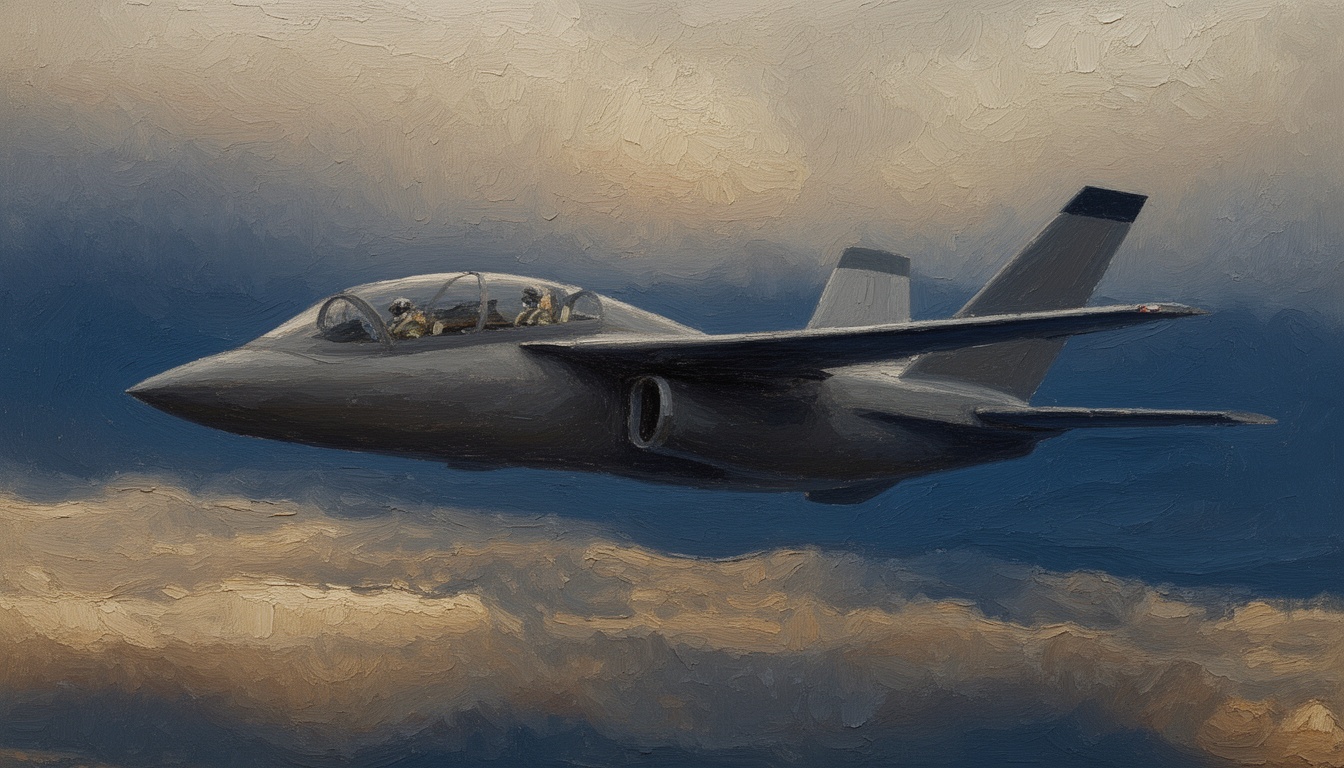
SNC Details Clean-Sheet Freedom Trainer For U.S. Navy
SNC unveils a no-compromise Freedom trainer aimed at slashing U.S. Navy aviator training costs. The marketing push emphasizes a streamlined, cost-saving approach with a clean-sheet design. Strategic implications include potential shifts in training pipelines and supplier competition.
A clean-sheet trainer from SNC is being pitched to the U.S. Navy as a no-compromise solution for aviator training. The company asserts that the Freedom trainer delivers substantial cost savings by consolidating training phases and reducing lifecycle expenses. The message is blunt: higher efficiency, lower total cost of ownership, and a simplified integration path for Navy aircrews.
Context matters: the U.S. Navy has long pursued training modernization to reduce attrition, accelerate qualification timelines, and improve sortie readiness. SNC presents the Freedom trainer as a turnkey program that could replace or augment current simulators and live-flight curricula. In a market crowded with legacy platforms, SNC positions its offer as a disruptive, cost-focused alternative that resonates with budgeting pressures.
Strategically, the proposal feeds into broader deterrence and readiness dynamics. If the Freedom trainer delivers the claimed savings without sacrificing fidelity or safety, it could influence fleet training budgets, contractor competition, and multiyear plans for aircrew development. The initiative also tests the U.S. Navy’s appetite for fresh, non-traditional training architectures in a period of shifting priorities andPartners and allies assessing standardization across allied navies.
Technically, SNC frames the Freedom trainer as a comprehensive package: a no-compromise hardware-software ecosystem, integrated curriculum, and lifecycle support designed to minimize spares, maintenance downtime, and upgrade costs. The exact configuration, display realism, sensor suites, and data analytics capabilities are not exhaustively disclosed in the limited press notes, but the emphasis remains on reducing total program cost while preserving or improving training outcomes. The vendor highlights a modular approach that could scale with evolving naval aviation demands.
Forward assessment suggests two likely consequences. First, if the Navy tests and validates the trainer, expect intensified competition among simulator and training-system providers, with pricing and performance as the key battlegrounds. Second, cost-focused narratives may accelerate the adoption of synthetic training across air programs, pressuring incumbents to justify price-to-performance in a highly scrutinized budget environment. The result could be a more dynamic market for aviator training tools over the next 5–10 years.