Smuggled chicken signals Cambodian shortages amid Thai border clash
Border tensions between Thailand and Cambodia have spurred illicit trade flows and food shortages. A smugglers’ boat washed rotting chicken onto Thai shores, underscoring Cambodia’s supply squeeze as formal commerce collapses. A nationalist boycott of Thai businesses intensifies the frictions across the frontier.
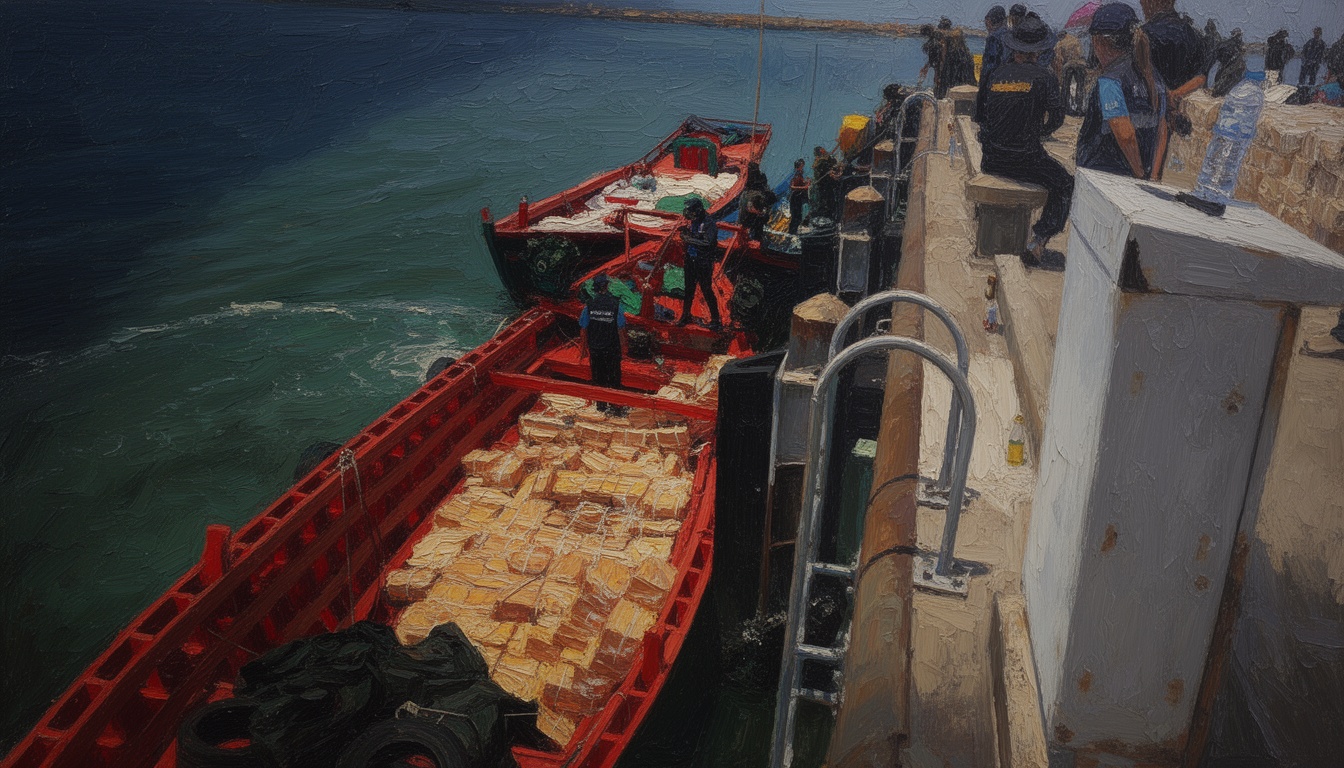
A smugglers’ vessel delivers a stark indicator of supply strain: plastic bags filled with rotting chicken washed onto a Thai beach. The discovery comes amid a widening border clash that has disrupted formal trade links between Thailand and Cambodia. Officials caution that illicit cargo flows are rising as the conflict curtails legitimate cross-border commerce. The incident amplifies concerns over food security and disarray in regional supply chains.
Historically robust cross-border trade has tumbled as diplomatic spats harden into physical confrontations along the frontier. Cambodian authorities have pressed for commercial rules to be respected, while Thai security measures tighten controls at entry points. In parallel, a nationalist boycott in Cambodia targets Thai businesses, further squeezing economic channels and deterring foreign investment. The social mood mirrors an intensifying rancor that raises the threshold for any settlement.
Strategically, the border fray reverberates beyond petty smuggling. The Cambodian state seeks to preserve domestic legitimacy by portraying the conflict as a test of sovereignty and national resolve. For Thailand, the front line exposes vulnerabilities in logistics, border policing, and regional influence. The clash complicates regional stability frameworks, complicating mediation efforts by multilateral actors.
Operationally, the incident signals how non-state smuggling networks adapt under pressure: diversifying routes, exploiting informal markets, and exploiting gaps in governance along riverine and border zones. Public signals of shortage arise not only from poultry scarcity but from broader foodstuffs and consumer goods disruptions, including basic commodities and household items. Analysts expect refugee and migrant movements to correlate with ongoing border frictions, potentially straining neighboring countries’ humanitarian and security capacities.
Looking forward, the border dispute risks escalating if diplomatic channels remain blocked. A sustained setback to formal commerce will harden nationalist narratives and pressure supply chains across Southeast Asia. Short-term volatility in food prices could translate into political costs for both capitals, complicating any path back to dialogue. The next weeks will test political resolve and the region’s ability to decouple conflict from everyday life in border communities.