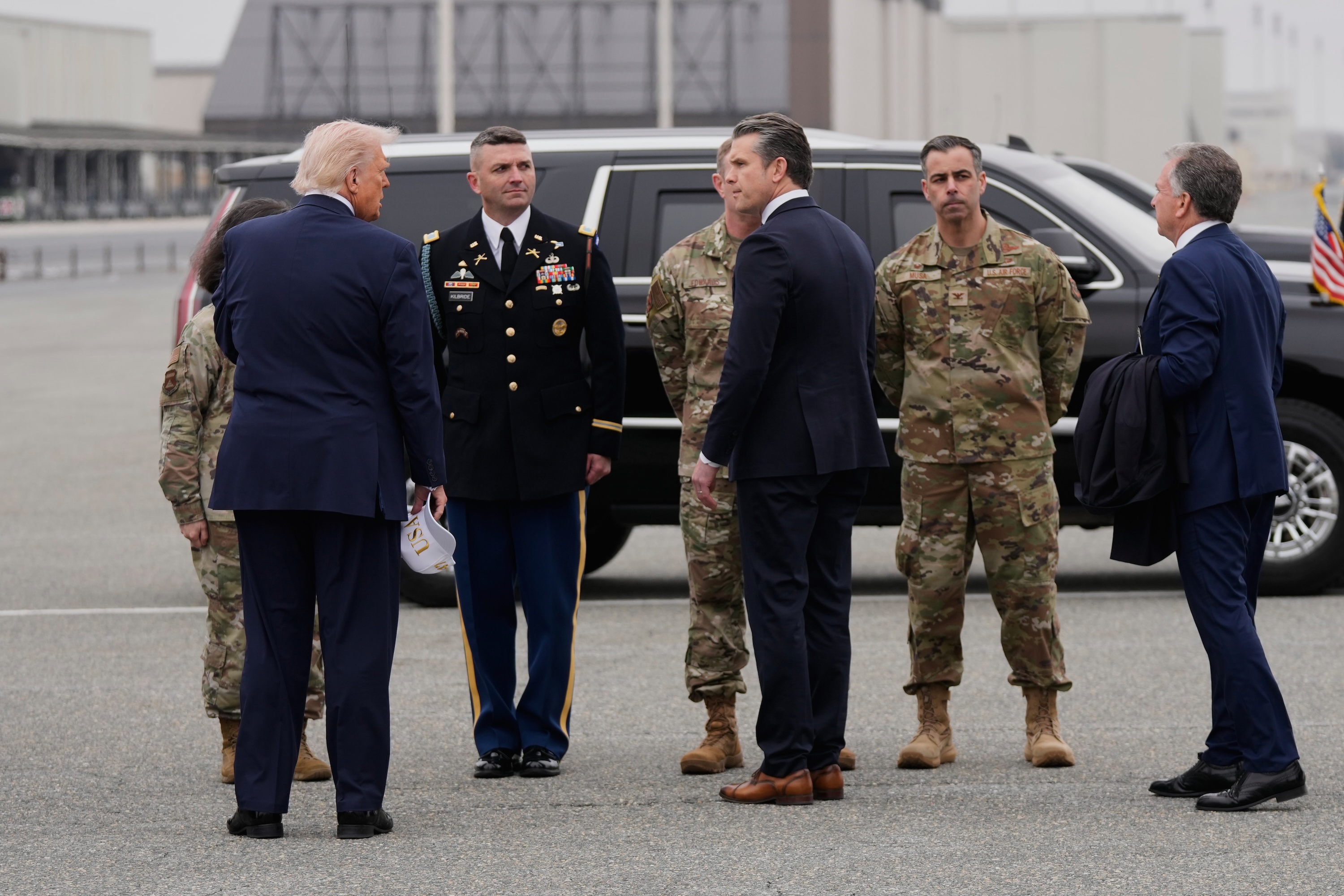
Six U.S. Troops Killed in Iran War; Families Gather for Dignified Transfer
The deaths of six U.S. soldiers in the Iran conflict mark a critical moment in America's ongoing engagement in the Middle East, amplifying the risk of further escalation. This incident underscores the volatile situation that continues to unravel in the region, potentially inviting military repercussions.
Six American soldiers were killed in action during the ongoing conflict in Iran, leading to a solemn dignified transfer ceremony at Dover Air Force Base. This tragic loss highlights the dangerous escalation of military engagements that the U.S. is entangled in, particularly in the Middle Eastern theater, where tensions with Iran have been at an all-time high.
The deaths come amid a backdrop of strained relations between the United States and Iran, stemming from years of hostilities exacerbated by U.S. military presence and perceived Iranian aggression in the region. Since the assassination of Iranian General Qassem Soleimani in January 2020, a series of retaliatory attacks and military operations have kept both nations on a precarious edge. The U.S. has remained deeply entrenched in conflicts across the Middle East, suggesting that such casualties might become a grim reality more frequently.
This incident significantly shifts the narrative surrounding U.S. military engagement, revealing vulnerabilities and the costs associated with foreign interventions. Public sentiment regarding the war effort could pivot as families grieve their losses, which may influence popular support for military operations abroad. Such losses put additional pressure on military and political leaders to justify continued engagement in an increasingly hostile region.
Key figures involved in this conflict include U.S. military officials who advocate for a strong military posture against Iranian expansionism, while Iranian leaders respond with threats of retaliation and promises of retribution. Each nation is motivated by national pride and the need to assert dominance in a strategic area, reflective of a broader power struggle that could spiral into wider conflict.
The operational dynamics are stark; the U.S. military employs advanced weaponry, including drones and precision-guided munitions, aiming for strategic targets associated with Iranian militias. The American military presence in the region remains substantial, with approximately 2,500 U.S. troops stationed in Iraq and ongoing cooperation with local forces. The costs absorbed by American taxpayers for sustaining these operations have exceeded billions annually, further complicating the domestic dialogue on military spending.
The potential for escalation is pronounced following this incident, as Iran may seek to respond to these fatalities with heightened military actions against U.S. interests or allies in the region. The risk of a retaliatory cycle looms large, with diplomatic avenues appearing increasingly fragile. This event may serve as a catalyst for further confrontations, including the possibility of direct strikes against U.S. military assets.
Historically, such loss of life has often led to broader military campaigns or escalated responses. For instance, the U.S. involvement in Vietnam saw similar instances where troop casualties sparked intense debate and subsequent escalation of military commitments. As history demonstrates, troop fatalities can decisively alter military strategy and public opinion, necessitating careful analysis of future actions.
Looking ahead, key indicators to monitor include any announcements from U.S. military leadership about potential troop deployments or escalations in response to Iranian actions. Increased military readiness in the region, public statements from Iranian leaders addressing the deaths, and shifts in the American media narrative will be critical to understanding the trajectory of U.S.-Iran relations. Intelligence assessments must remain vigilant to predict the evolving dynamics of this fraught landscape.