Singapore Seizes Record 830kg Asian Pangolin Scales Shipment
Singapore intercepted a massive haul of over 830kg of pangolin scales destined for Cambodia, marking the largest seizure of its kind in the city-state. This bust highlights ongoing wildlife trafficking risks in Southeast Asia and pressures regional enforcement against endangered species smuggling.
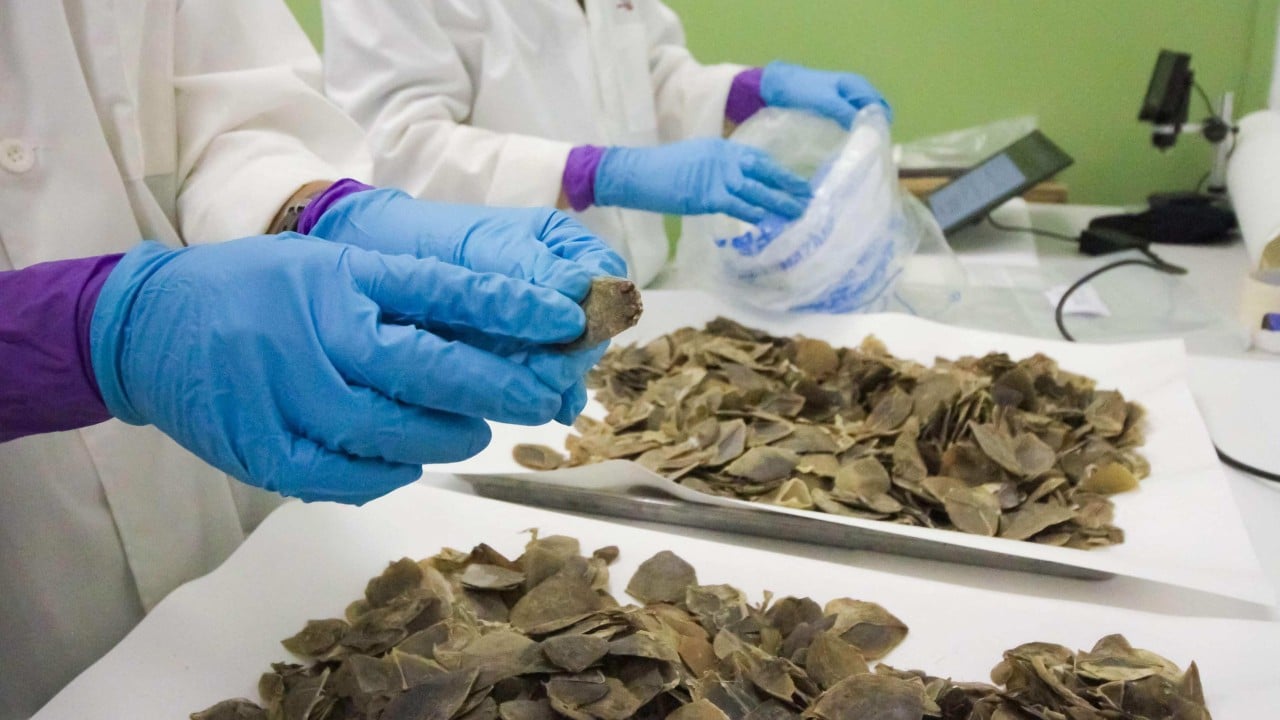
Singapore authorities seized a record 830 kilograms of Asian pangolin scales disguised as “dried fish skin” in a shipment headed for Cambodia. The impressive haul was intercepted on December 29 after customs officials discovered the scales concealed within 30 bags inside a truck carrying sea cargo. These scales likely came from over 2,200 pangolins, an endangered species highly targeted for illegal trade due to demand in traditional medicine and fashion.
This seizure represents the largest pangolin scale confiscation documented by Singapore’s National Parks Board, underscoring the city-state’s role as a key node in Southeast Asia’s wildlife trafficking networks. Pangolins are considered the world’s most trafficked mammal, driven by extensive regional criminal trafficking operations exploiting porous borders and weak enforcement.
Strategically, the operation highlights a significant enforcement success against the illicit pangolin trade that undermines biodiversity and threatens regional ecological security. The interception disrupts supply chains feeding international black markets, including those in China and Vietnam where pangolin derivatives are highly prized.
Technically, the 30 bags held scales estimated to come from more than 2,200 individual pangolins, each weighing the total shipment at 830 kg (approximately 1,800 lbs). The shipment was falsely declared as “dried fish skin” to avoid detection, illustrating traffickers’ sophisticated concealment methods. Such volumes indicate a sizable poaching and smuggling network operating across Southeast Asia.
This event is likely to trigger intensified regional cooperation and stronger intelligence sharing among Southeast Asian customs and conservation agencies as efforts to crack down on wildlife crime escalate. However, persistent trafficking risks remain critical challenges requiring ongoing vigilance and international law enforcement coordination.