Singapore Refuses Hormuz Talks, Stokes Malaysian Backlash
Singapore’s rejection of negotiations with Iran over Strait of Hormuz access fuels regional tensions. Malaysia criticizes Singapore for perceived interference, escalating diplomatic friction in a critical maritime chokepoint vital for global energy supplies.
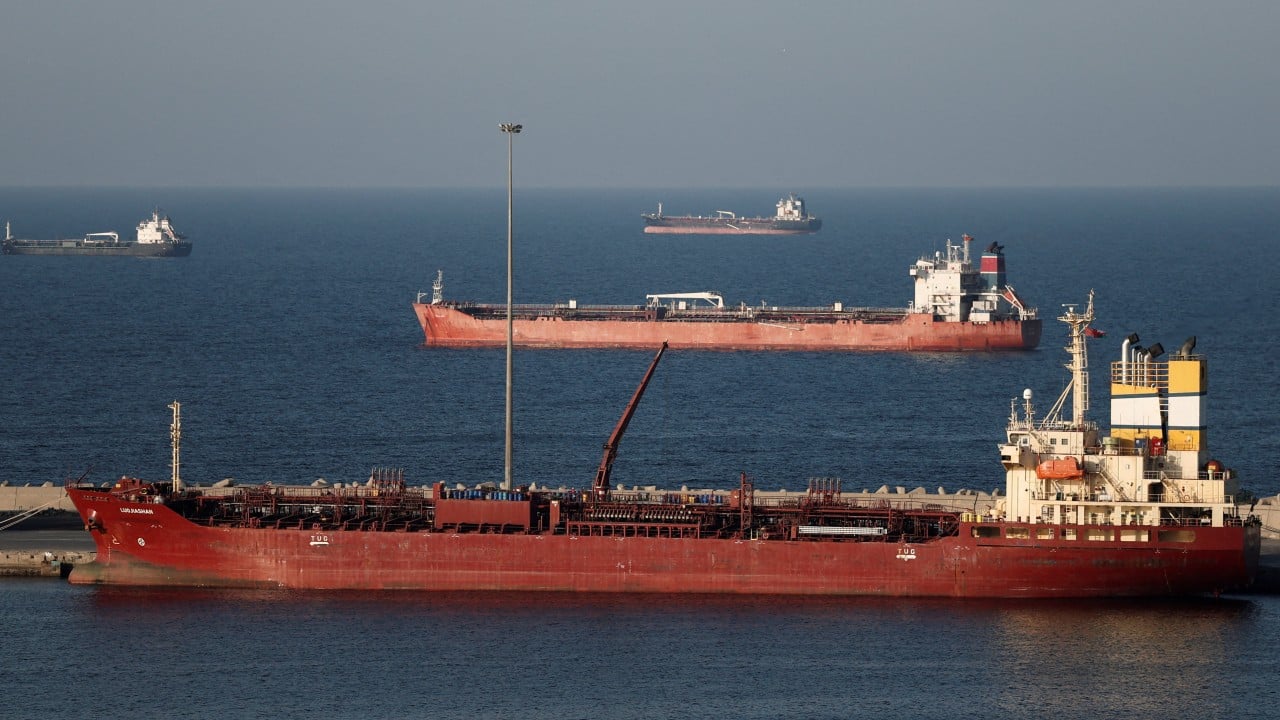
Singapore’s refusal to engage in negotiations with Iran regarding access to the Strait of Hormuz has sparked a sharp political backlash from Malaysia. Malaysian politicians accuse Singapore of lecturing them on how to secure safe passage through this strategic waterway. The dispute underscores heightened diplomatic tensions in Southeast Asia as Tehran nearly closed the strait for a month.
The Strait of Hormuz is a critical maritime corridor handling approximately 20% of the world’s oil and gas shipments, predominantly servicing Asian markets. Tehran’s near shutdown came in response to deadly strikes launched by the United States and Israel, marking an intense escalation in regional conflict involving Iran.
Malaysia’s strong criticism reflects broader regional anxieties over the security of this vital energy route. Singapore’s firm stance against negotiating with Iran could complicate efforts to maintain open maritime trade routes amid rising geopolitical hostilities.
Operationally, the strait’s closure risked disrupting millions of barrels of oil daily, threatening energy supply chains and economic stability across Asia. The incident highlighted the fragile balance in maritime security and the potential for conflict spillover in a region reliant on uninterrupted sea lanes.
Going forward, this diplomatic rift may hinder coordinated regional responses to Iran’s tactics and U.S.-Israel military actions. Maintaining safe passage through the Strait of Hormuz remains paramount for regional powers, with this confrontation signaling potential escalations in Southeast Asian maritime security and foreign policy alignments.