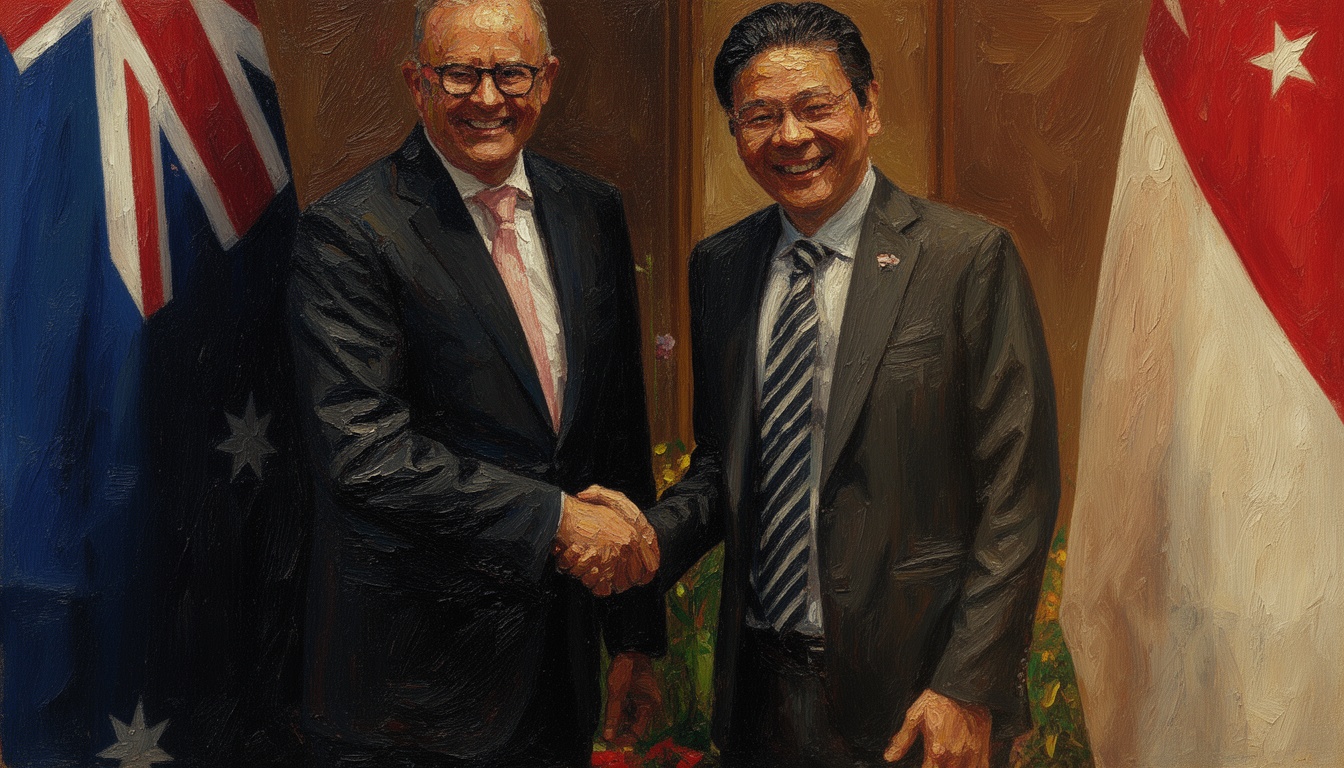
Singapore, Australia vow uninterrupted fuel supply amid global energy shock
Singapore and Australia pledge to keep fuel and gas flowing as Middle East tensions disrupt energy markets. They seek a legally binding agreement on essential supplies and discuss expanding LNG cooperation. The talks underscore energy security as a core pillar of bilateral ties amid a volatile global energy landscape.
Singapore and Australia sealed a pledge to maintain uninterrupted fuel and gas flows between the two nations, even as the Middle East crisis sent ripples through global energy markets. At a joint press conference, leaders emphasized practical steps to safeguard essential supplies and reduce disruption for industries and consumers. The agreement signals a shared prioritization of energy resilience in the face of geopolitical shocks.
Background: The Middle East has long been a pivotal energy corridor, and recent hostilities have tightened markets, prompting consuming nations to seek dependable suppliers. Singapore, a major refining and trading hub, relies on steady LNG and fuel imports for its dense urban economy. Australia, a leading LNG exporter, has repeatedly underscored its commitment to regional energy stability and diversified markets.
Strategic significance: The pledge reinforces a bilateral energy security framework that could influence Indo-Pacific energy diplomacy. A legally binding agreement on essential supplies would extend beyond routine arrangements, potentially shaping discounting, dispatch protocols, and contingency storage across both economies. The move also signals broader dissuasion against energy disruptions by signaling credible, cooperative responses to crisis conditions.
Technical/operational details: Canberra signaled readiness to increase LNG shipments if Singapore needed more, while Singaporean authorities indicated they would mobilize existing reserves and routings to maintain flow. Specifics about quotas, pricing mechanisms, or storage commitments were not disclosed, but the dialogue appears to address critical chokepoints, logistics coordination, and rapid-reallocation of cargoes. The talks also touched on broader energy-market coordination and potential future agreements on essential supplies.
Forward assessment: If the arrangement holds, it could provide a template for similar arrangements among regional partners facing energy volatility. The cooperation may cushion domestic industries from price shocks and support ongoing manufacturing, shipping, and logistics activity. However, a deterioration in Middle East tensions or new supply disruptions would test the resilience of this bilateral framework and could prompt broader regional energy-security negotiations.