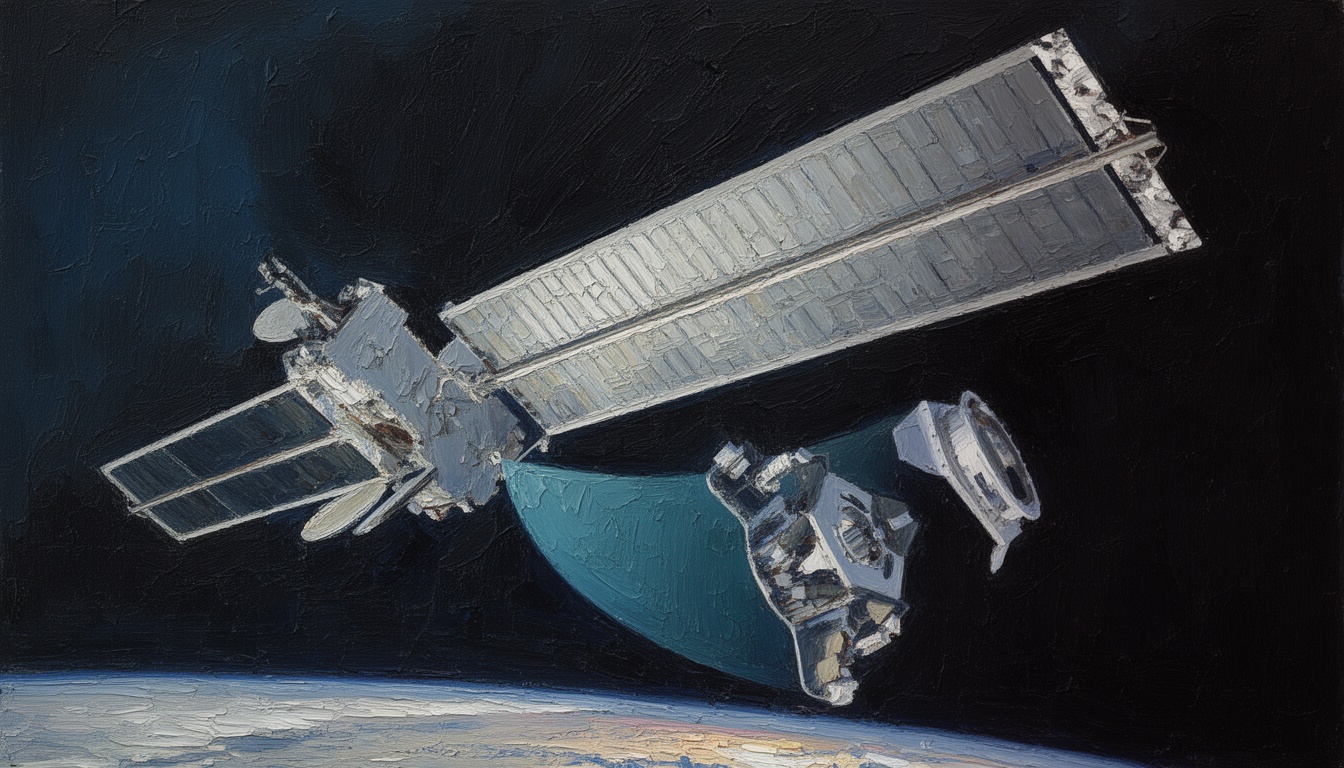
Shifting gears: Space Force moves to embrace space mobility for orbital warfare
The Space Force unveils an Objective Force plan to demonstrate on-orbit refueling and field operational space tugs between 2025 and 2030. The initiative marks a shift toward operational space logistics primed for potential orbital warfare. Analysts warn the move could redefine power projection in space and trigger a new arms dynamic.
The Space Force is redefining its warfighting calculus by prioritizing space mobility as a core capability for orbital warfare. The newly announced Objective Force plan targets demonstrable on-orbit refueling capabilities and the deployment of operational space tugs within the 2025-2030 window. This move expands the strategic envelope beyond payload delivery and surveillance, aiming to sustain and maneuver assets across diverse orbital regimes. The emphasis on logistics signals an intent to transform space into a contested, persistent domain rather than a passive theater.
Context within the broader security landscape shows growing great-power competition shaping space doctrine. Advances in anti-satellite capabilities, mixed with commercial space expansion, pressure traditional space architectures. The plan aligns with a wider push to ensure survivability and resilience of orbital assets amid potential confrontation. It also reflects a belief that tempo and endurance in space will increasingly determine outcomes in joint campaigns. Critics caution that the shift could escalate deterrence challenges if adversaries mirror or outpace the program.
Strategic significance centers on the ability to sustain operations without frequent launch cycles. On-orbit refueling could dramatically extend mission durations, enabling persistent ISR, comms, and early-warning assets. Space tugs would provide maneuvering and repositioning capacity to avoid depletion of critical assets or to outmaneuver adversary sensors. The development raises the stakes for space governance, alliance interoperability, and treaty considerations, as forces must coordinate cross-domain effects with kinetic and non-kinetic tools.
Technical and operational details remain high-level but point to aggressive procurement and experimentation timelines. The plan envisions prototypes and demonstrations between 2025 and 2030, with budgets and organizational units to be announced. The architecture likely involves a combination of strategic launch platforms, modular on-orbit service modules, and standardized interfaces to enable plug-and-play capabilities. The operational concept stresses resilience, rapid maintenance cycles, and scalable support for a growing fleet of space systems.
Forward assessment suggests a period of intensified testing, political signaling, and possible responses from potential rivals. If demonstrated, on-orbit refueling and space tug operations could extend the lifespan of satellites and enable rapid force reconstitution after attrition. adversaries may accelerate their own space support capabilities or pursue counter-space measures designed to complicate logistics and protection. The ultimate impact will hinge on allied integration, export controls, and the ability to prevent escalation from deterrence into conflict in the space domain.