Seven Dead in Major Russian Attack on Ukraine
A large Russian strike results in seven fatalities, with Dnipro bearing the heaviest civilian impact. The attack underscores intensifying urban bombardment and the persistent risk to civilian infrastructure. The incident compounds Kyiv’s urgency to bolster air defenses and civil resilience.
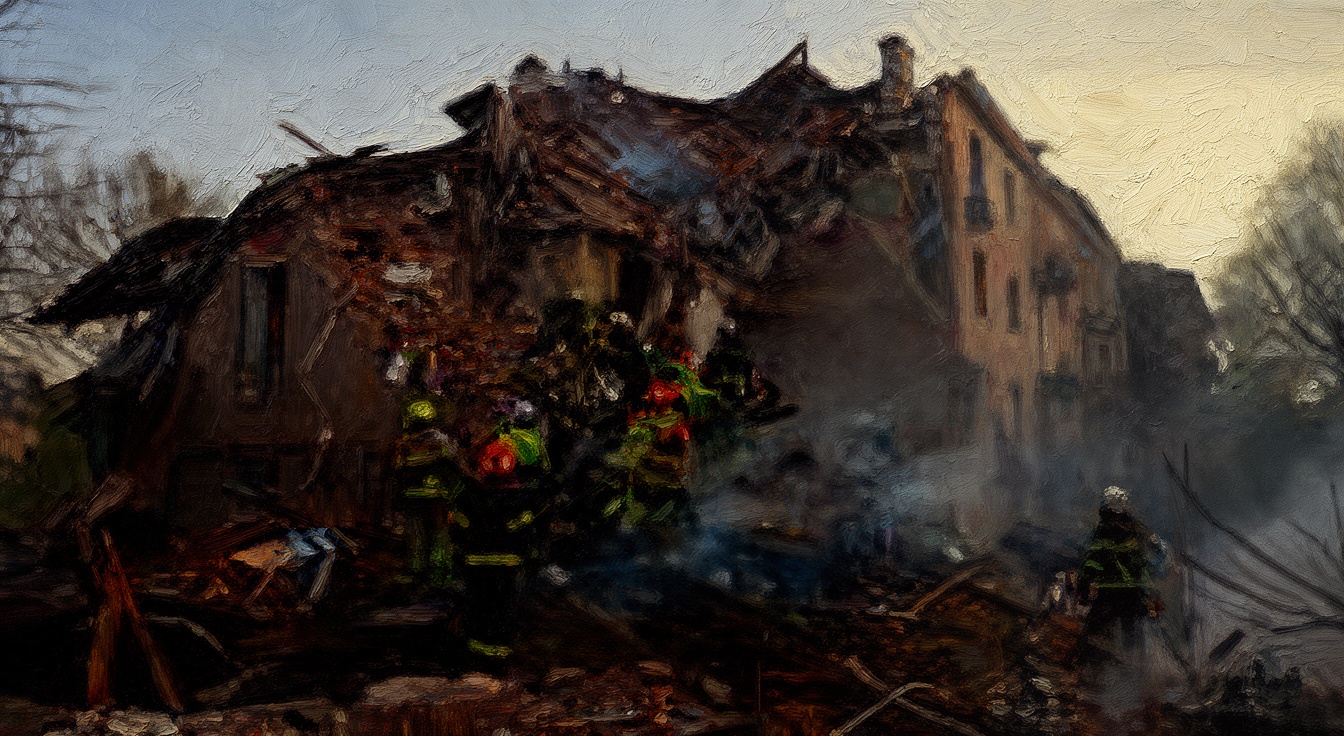
The core development is blunt and brutal: seven people have been killed in what authorities describe as a major Russian attack on Ukraine, with Dnipro the hardest hit. Four of the dead were confirmed in a strike on a residential building, indicating a direct assault on civilian housing. The broader attack appears to involve multiple targets and claims additional casualties, signaling a sharp escalation in urban bombardment and civilian danger.
Context is essential: Ukraine has faced sustained Russian air and missile strikes across multiple fronts since the 2022 invasion, with cities like Dnipro repeatedly targeted for their industrial and logistical significance. The incident follows a pattern of high-casualty strikes on populated areas, designed to erode morale, disrupt daily life, and strain Ukrainian civil-defense systems. International emphasis on humanitarian corridors and warning systems has grown, but the carnage in residential zones remains a grim reality of this conflict.
Strategically, the attack demonstrates Russia’s continued prioritization of pressure on urban centers as a means to degrade Ukrainian governance and civilian resolve. Dnipro, a regional hub with transportation and energy linkages, represents a valuable target for shaping battlefield dynamics and complicating Kyiv’s civilian evacuation and crisis-management efforts. The strike also has potential implications for regional deterrence, prompting nearby populations to seek reinforced shelters and authorities to accelerate defensive coordination with allied suppliers of air and missile defense.
Technical and operational details are limited in the reporting, but the sequence signals a multi-faceted strike footprint, potentially combining missiles with air-burst effects aimed at maximizing casualties in dense housing. The death toll of seven indicates a materially severe impact, even as missing or injured persons could raise the total. Civil-defense units and emergency services are likely conducting search-and-rescue operations, while municipal authorities assess structural integrity and the risk of further collapses in affected neighborhoods.
Forward assessment suggests several key consequences: Ukraine will intensify demand for rapid, wide-area air defense coverage and faster civilian-warning architectures to limit future casualties. International partners may renew calls for precision-strikes restrictions and more robust humanitarian corridors, while Moscow faces increasing scrutiny over civilian targeting and potential war-crimes considerations. The long-term balance hinges on Kyiv’s resilience, allied support, and Russia’s willingness to sustain urban pressure while facing growing political and strategic costs.