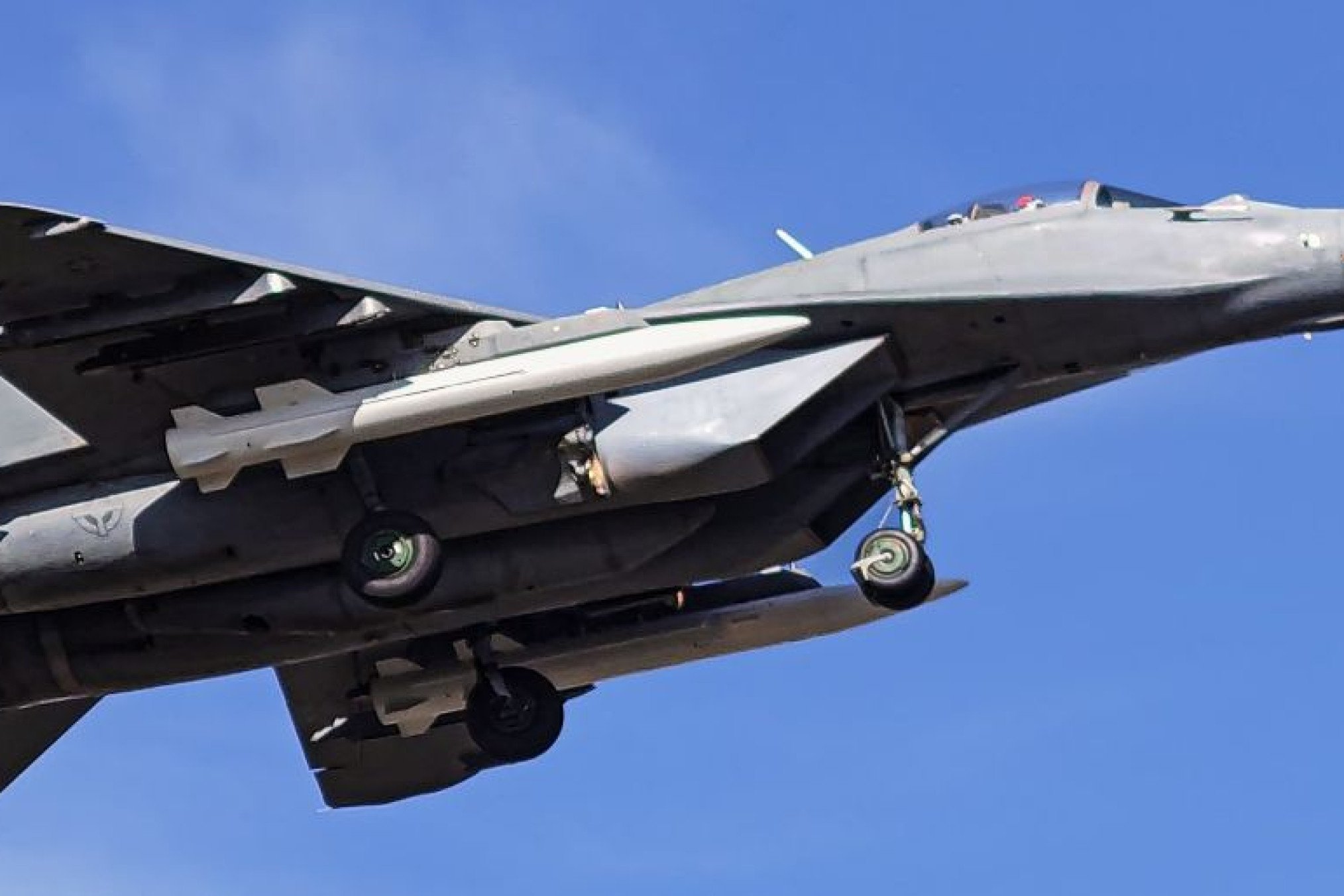
Serbia Arms MiG-29s with Chinese Supersonic Missiles, Escalating Tensions
Serbia's deployment of CM-400 missiles on MiG-29s challenges regional military balances and showcases China's expanding influence. This development could provoke neighboring states and invite a security backlash.
Serbia has armed its MiG-29 fighter jets with Chinese-made CM-400 supersonic standoff missiles, markedly escalating its military capabilities. This unprecedented integration indicates a decisive shift in Serbia's defense strategy, which, until now, had only seen these munitions in Pakistani hands. Observers note that this arms development comes amid heightened military rhetoric in the Balkans, raising immediate regional security concerns.
Historically, Serbia has maintained a complex relationship with both Eastern and Western powers, often playfully balancing between EU integration aspirations and deep-rooted ties to Russia. The decision to equip its MiG-29s with CM-400 missiles reflects the Serbian government's intent to enhance its military deterrent capabilities without waiting for Western military support or integration. This shift echoes the broader regional trend where nations are increasingly seeking alternative partnerships to bolster their defense systems amid perceived threats from neighboring countries.
This development is significant as it challenges the existing military balance in Southeast Europe. The integration of supersonic standoff missiles poses a considerable threat to neighboring countries and may prompt an arms race in the region. With the CM-400's capacity to strike targets over 300 kilometers away, Serbia can project military power to an unprecedented extent, potentially destabilizing a delicate geopolitical environment already shaped by historical grievances and national security anxieties.
Key players in this escalation include Serbia's government, which is eager to showcase military modernization and independence from Western influence, and China, which is looking to expand its arms exports and influence in Europe. The Serbian acquisition of the CM-400s aligns with China's strategic goal of securing a foothold in Eastern Europe, demonstrating a growing partnership wherein both nations stand to gain geopolitical leverage.
Operationally, the CM-400 missiles—capable of Mach 2.5 speeds and precision strikes through advanced guidance systems—significantly enhance the lethality of Serbia’s MiG-29 fleet. The MiG-29s themselves, recently upgraded with improved avionics and weapon systems, can now operate under more diverse threat environments. With Serbia investing heavily in defense modernization, the near future could see further upgrades or even new acquisitions, signaling a robust military posture.
The likely consequences of this development could catalyze a series of security dilemmas among Serbia's neighbors, particularly Croatia and Bosnia and Herzegovina, Covert military preparations or defense buildup may be anticipated as these nations reassess their vulnerabilities. Additionally, NATO could be compelled to respond by increasing its presence in the region, further complicating the security landscape.
Historically, similar military procurements have led to regional escalations. The 1990s Balkan conflicts saw small arms races following provocative military upgrades. The deployment of regional force postures adjusted in response to perceived threats is a recurring pattern that may repeat itself in light of Serbia's recent military enhancement.
Moving forward, defense analysts should monitor Serbia's military exercises and procurement trends, especially any potential partnerships with China. Specific indicators to watch will include increased military spending figures, new joint drills with both Chinese and Russian forces, and any signs of military restructuring within Serbia's armed forces, as these will provide a clearer picture of the potential future trajectory of regional threats and Serbia's military aspirations.