Seoul Faces Crisis as US Forces Shift Focus Beyond North Korea Deterrence
South Korea's inability to halt the US military's evolving role threatens regional stability. Analysts warn this could weaken deterrent capabilities and embolden North Korea.
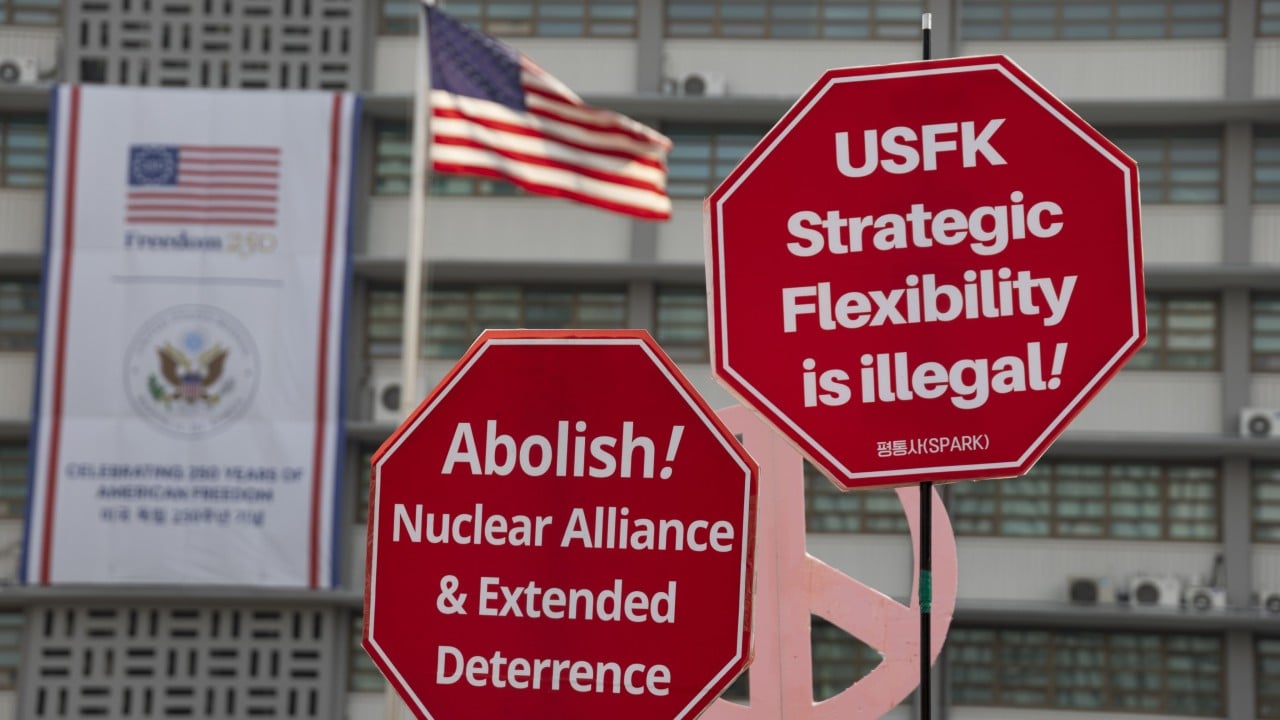
South Korean President Lee Jae Myung has underscored a critical situation, acknowledging that Seoul has no power to stop the United States from redeploying its military assets from the Korean Peninsula. This admission highlights a significant shift in the operational focus of US Forces Korea (USFK) amid ongoing tensions with North Korea. The pivot towards greater 'strategic flexibility' for American troops exposes South Korea to heightened security risks as the United States seeks to realign its military assets globally.
The current discourse stems from a long-standing alliance between the United States and South Korea established in the aftermath of the Korean War, which has seen over 28,500 US troops stationed in South Korea to deter North Korean aggression. However, rapid shifts in American military strategy, particularly following the rise of China as a preeminent threat and the tumultuous nature of global geopolitics, signal that USFK’s role is evolving beyond the peninsula. Escalating tensions in the Indo-Pacific region compound this complexity, as US forces are increasingly mobilized for a broader spectrum of missions.
This reconfiguration of US military strategy is alarmingly significant. It presents multiple strategic risks for South Korea, exposing vulnerabilities in its national defense posture. The absence of a robust US military presence dedicated to deterring North Korean provocations undermines Seoul's security guarantees, leading to a potential recalibration of Pyongyang's aggressiveness. Analysts worry that an emboldened North Korea could exploit the shifting dynamics, escalating its nuclear ambitions and military provocations.
Key actors in this scenario include the leadership in Washington, which prioritizes countering broader regional threats over localized deterrent strategies, and Pyongyang, which seeks to exploit the perceived indecisiveness of the United States' commitment. South Korea’s government is caught in the precarious position of needing to reassure its populace while grappling with potential fallout from diminishing US military support. This divergence in strategic priorities could deepen fractures in the alliance, pressuring South Korea to re-evaluate its own military capabilities and strategies.
Operationally, US Forces Korea includes advanced assets such as F-35 stealth fighters, THAAD missile defense systems, and a significant naval presence, all crucial for immediate response to North Korean threats. However, the shift toward 'strategic flexibility' implies a reduced permanence of these assets on the peninsula, complicating joint operational capacities against any North Korean aggression. Analysts estimate that the diminishing presence may lead to escalated defense expenditures in Seoul, as South Korea might need to independently bolster its military readiness.
The consequences of this transformation could lead to increased regional militarization and dangerous miscalculations, especially if North Korea misreads the US commitment to defend South Korea. Additionally, China's military posturing in nearby waters complicates the situation further, potentially fostering a multipolar arms race affecting wider security interests throughout East Asia. This shift offers North Korea breathing room to enhance its military capabilities unhindered by a robust US presence.
Historically, this scenario echoes the decline in trust and security under similar circumstances during the 1990s when US commitments appeared uncertain. With each iteration of military repositioning, North Korea has traditionally responded with escalated provocations. The parallels signal a potential crisis brewing in the region as the balance of power appears increasingly precarious.
Looking ahead, defense observers should monitor developments closely, particularly any changes in the number or capability of US forces in the region. Key indicators will be signals from both the US and North Korean leadership regarding strategic intentions, along with shifts in defense policy from Seoul. The upcoming military joint exercises and North Korea’s missile tests will serve as crucial intelligence markers to gauge the effectiveness of South Korea's response in navigating this evolving security landscape.