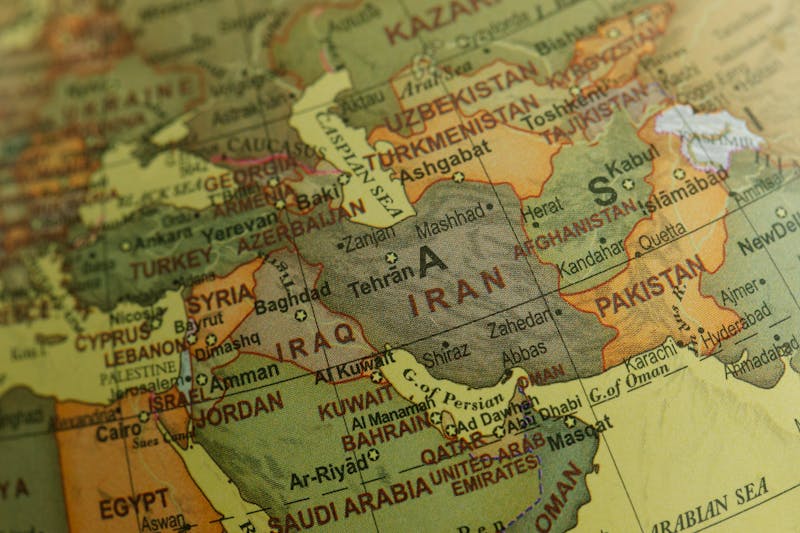
Saudi-Iran Normalization Reshapes Middle East Security Architecture
The ongoing normalization between Saudi Arabia and Iran continues to produce cascading effects across Middle Eastern security dynamics, with new diplomatic channels opening and defense posture adjustments being observed across the Gulf region.
INTELLIGENCE ASSESSMENT: The diplomatic normalization between Saudi Arabia and Iran, brokered by China, continues to reshape the Middle Eastern security landscape. Six months after the restoration of diplomatic relations, both nations have expanded cooperation beyond the initial agreement.
Key developments include the establishment of a joint maritime coordination center in the Persian Gulf, designed to reduce the risk of naval incidents and improve communication between the two nations' coast guards. Additionally, both countries have agreed to de-escalation measures along the Yemen conflict axis, with Iranian influence reportedly directed toward reducing Houthi operations against Saudi territory.
The normalization has triggered a cascade of diplomatic realignments across the region. Gulf Cooperation Council states have expanded engagement with Iran, while traditional US security partnerships face reassessment. Saudi Arabia's decision to diversify its strategic partnerships reflects a broader trend of Middle Eastern states pursuing multi-alignment strategies.
Economic dimensions of the normalization include discussions on cross-border infrastructure projects, energy market coordination, and trade facilitation. The restoration of direct flights between major cities has accelerated people-to-people exchanges.
Intelligence analysts note that while the normalization reduces the risk of direct Saudi-Iranian confrontation, proxy dynamics in Iraq, Syria, Lebanon, and Yemen remain complex and potentially volatile.