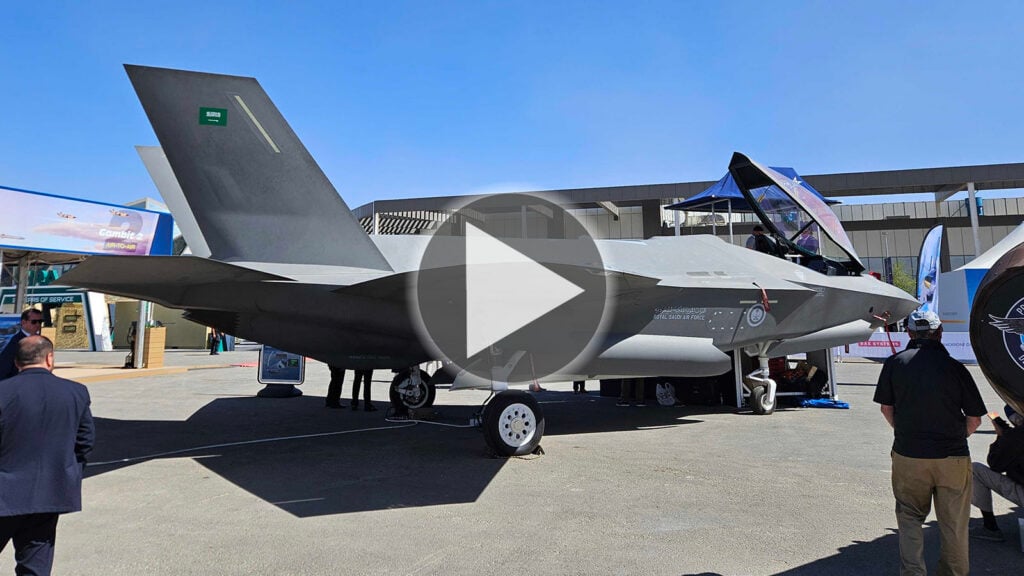
Saudi Arabia Attempts to Become Defense Power amid Regional Tensions
Saudi Arabia's push to dominate the defense sector raises alarms about regional arms races and strategic imbalances. The Kingdom's transformation plan could destabilize regional power dynamics further.
Saudi Arabia is actively seeking to establish itself as a dominant player in the global defense market during the World Defense Show (WDS) 2026, escalating its military ambitions to unprecedented levels. This push is underscored by significant advancements in its defense sector, particularly through the Saudi Arabian Military Industries (SAMI), as the Kingdom aims to increase domestic arms production and reduce dependency on foreign suppliers.
Historically, Saudi Arabia has relied heavily on Western defense suppliers, primarily the United States and European nations, for its military needs. However, following a surge in regional threats, including tensions with Iran and instability in Yemen, Riyadh has emphasized the necessity for self-sufficiency. This shift is rooted in the Vision 2030 strategy, which seeks to diversify the economy and bolster national security through advanced technology and indigenous capabilities.
The implications of Saudi Arabia's defense ambitions are significant, risking an arms race in the already volatile Middle East. Neighboring countries, particularly Iran, Turkey, and Israel, are likely to respond with heightened military readiness and development of their own advanced weapon systems. This presents a strategic risk that could destabilize the fragile security balance in the region, potentially leading to conflicts reminiscent of the arms races seen during the Cold War.
Key players in this transformative strategy include Saudi Crown Prince Mohammed bin Salman, who is driven by both personal ambition and national security imperatives. Additionally, SAMI's CEO, who is tasked with overseeing the company’s growth into a major defense contractor, is motivated by the evolving landscape of military technologies and regional threats. Their focus on local production aims to showcase Saudi Arabia as a sovereign military power rather than a dependent client.
Currently, Saudi Arabia’s military expenditures are among the highest globally, reaching approximately $61 billion in 2022. SAMI has announced plans to produce advanced munitions, drones, and armored vehicles, with collaborations already formed with international defense firms such as Lockheed Martin and Boeing. The transformation is poised to develop capabilities that include unmanned systems and missile defense technologies, which could significantly enhance the Kingdom's military posture.
The consequences of this militarization could include escalating tensions between Saudi Arabia and its regional rivals. Should Iran perceive an immediate threat from enhanced Saudi capabilities, it could prompt further destabilizing actions in Iraq and Yemen or accelerate its own military developments. The involvement of global defense industry players raises the potential for a wider confrontation as well.
The Kingdom's arms developments draw parallels to past regional arms races, notably the military buildup during the 1980s in the wake of the Iran-Iraq War and the Gulf War's aftermath. Each instance led to severe conflict escalation and proxy battles that reshaped regional alliances and threatened international security.
Going forward, intelligence indicators to watch for include the pace at which Saudi Arabia transitions from acquiring foreign technology to fully homegrown capabilities, as well as any retaliatory actions by regional adversaries. The potential for proxy conflicts intensifying and the emergence of new military alliances in response to Saudi ambitions are critical areas to monitor in the coming years.