Salaknib drill signals Tokyo's China deterrence focus
The Salaknib exercise features 7,000+ US/Philippine troops; Japan’s involvement marks a broader regional deterrence shift against China. Analysts view Tokyo as taking a more active security role in the Indo-Pacific. The drill centers on combat readiness and interoperability.
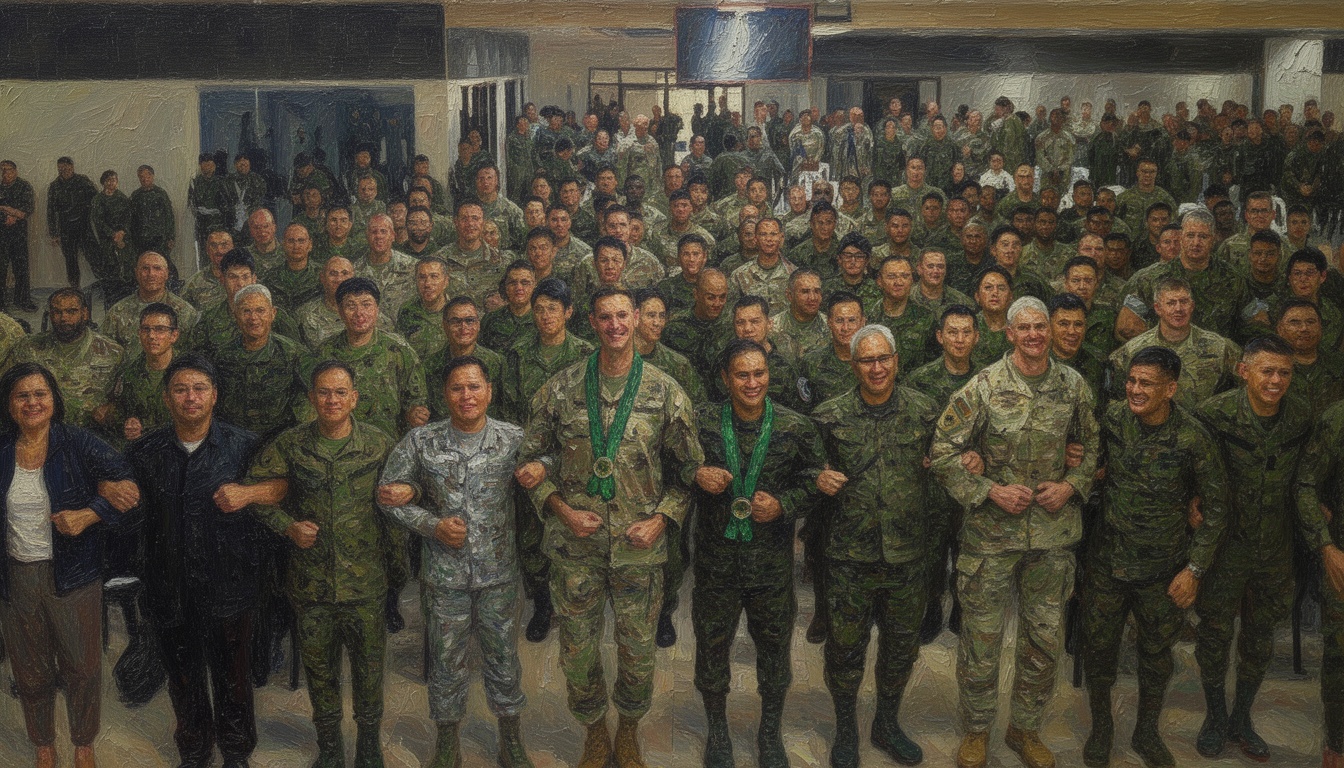
The Salaknib exercise has started with more than 7,000 soldiers from the United States and the Philippine armies. Japan participates as a clear signal of increasing regional deterrence against China. The joint annual drill began on the north of Luzon island and is designed to test and reinforce combined operations. Analysts say Tokyo’s enhanced involvement demonstrates Tokyo’s commitment to a more active security role in the Indo-Pacific, aligning with broader regional groupings that could oppose China.
Historically, Salaknib has been a Philippine-US-led exercise focused on improving interoperability and rapid deployment capabilities. Japan’s inclusion reflects a trend toward broader trilateral or quadrilateral security arrangements that include Tokyo in planning and execution. The presence of Japanese personnel symbolizes a shift from purely alliance statements to tangible multinational drills with real combat-focused aims.
Strategically, the drill emphasizes deterrence by integrating air, sea, and land forces across three nations. Tokyo’s participation expands the geographic and operational footprint of these exercises, potentially complicating China’s assessments of regional balance and response options. Analysts argue that sustained, visible drills like Salaknib contribute to long-term deterrence by raising the cost and complexity of any regional aggression.
Technical and operational details remain preliminary in early reports. The exercise emphasizes interoperability, command-and-control coordination, and combined live-fire or simulated engagements across land and littoral environments. Specific weapon systems and force compositions are typically disclosed by participating militaries closer to public briefings, but the scale of 7,000+ personnel signals large-scale, multi-domain cooperation among the allies involved.
The likely consequences include a stronger signal to adversaries about coalition resilience in the western Pacific and improved crisis-management readiness among the three nations. For Japan, the drill reinforces deterrence credibly alongside its US alliance and Philippine security arrangements. In the near term, expect continued high-visibility exercises, joint training syllabi, and increased information-sharing to sustain regional pressure on potential aggressors.