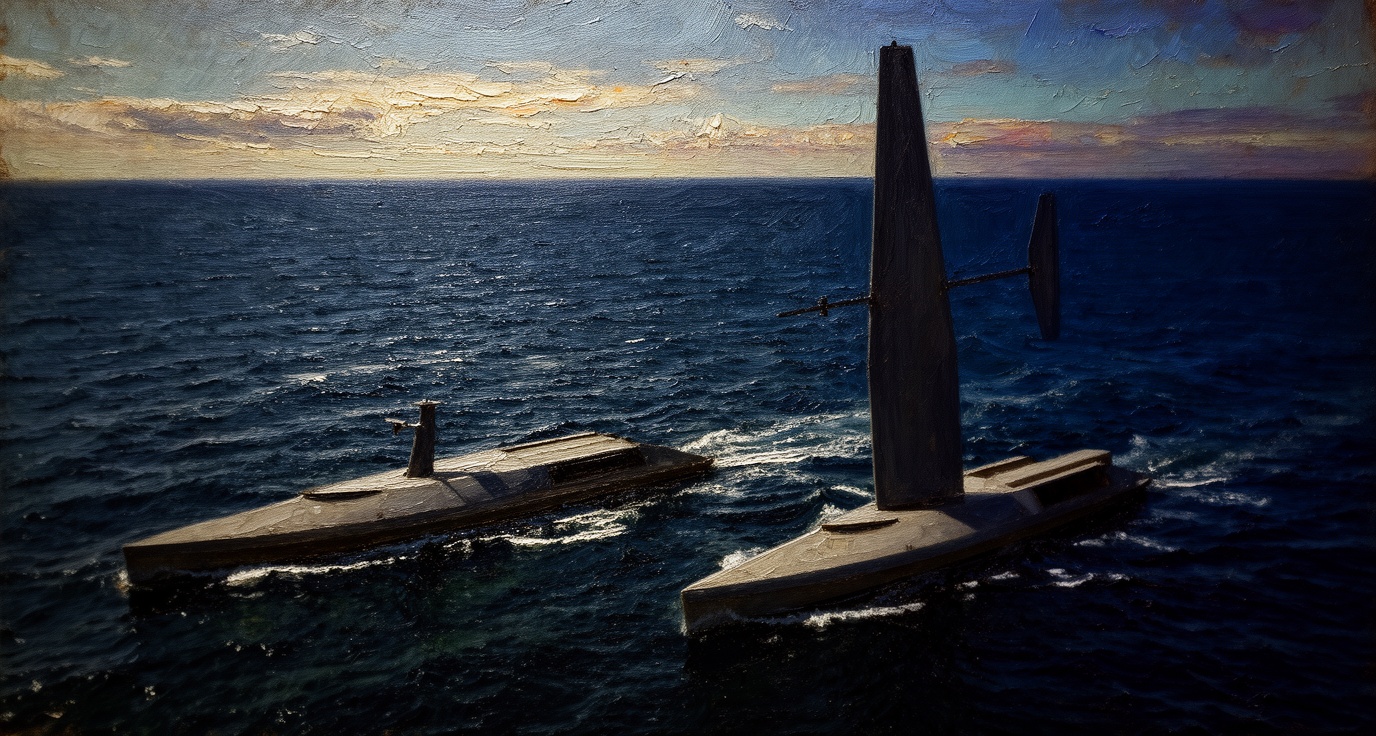
Saildrone unveils USV for anti-submarine warfare; first sea trials set for 2027
Saildrone introduces Spectre, a new unmanned surface vessel class designed for anti-submarine warfare. The program targets early 2027 sea trials, signaling a step forward in autonomous maritime ISR and ASW capabilities. The development aligns with growing interest in unmanned platforms for littoral and open-ocean antisubmarine operations, with potential implications for naval balance and propulsion/ sensor integration in future fleets.
The core development is blunt: Saildrone announces a new unmanned surface vessel class named Spectre, intended for anti-submarine warfare. The vessel is positioned to undergo sea trials in early 2027, marking a concrete milestone in the program timeline. The announcement situates Spectre within ongoing efforts to expand unmanned maritime capabilities for ASW roles, signaling momentum for autonomous sensor-shared excellence in undersea surveillance.
Background context places Spectre in a broader trend of accelerating investment in unmanned naval systems. Naval forces worldwide have increased emphasis on persistent ISR, rapid deployment, and risk reduction through autonomy in high-threat environments. The Spectre class arrives as a practical demonstration of these trends, potentially complementing manned platforms rather than replacing them. Industry analysts will watch how the platform integrates with existing submarine-hunting architectures and data links.
Strategic significance rests on the potential to alter ASW tasking and force mix. If Spectre delivers effective sensor payloads, long-endurance patrols, and reliable decision-support for surface fleets, it could influence anti-access/area denial calculations and fleet protection strategies in contested waterways. Autonomy in ASW carries implications for crew workloads, operational tempo, and interoperability with allied naval commands.
Technical or operational details are sparse in the current brief. The Spectre designation confirms an unmanned surface vessel, but no specifications on propulsion, sensor suite, or processing architecture are disclosed. The sea-trial timeline implies a mature, low-rate initial production pathway, with incremental testing likely to validate navigation, survivability, and anti-submarine capabilities under controlled conditions. No budgetary or industrial partners are named in the announcement.
Likely consequences and forward assessment suggest a measured but notable shift toward more autonomous ASW experimentation. If Spectre proves capable, it could catalyze further procurement of USVs for surveillance and hunter-killer tasks, while stressing integration with manned submarines and surface combatants. The next two years will reveal the platform’s real-world performance, alliance compatibility, and potential push to scale production or pursue export opportunities.