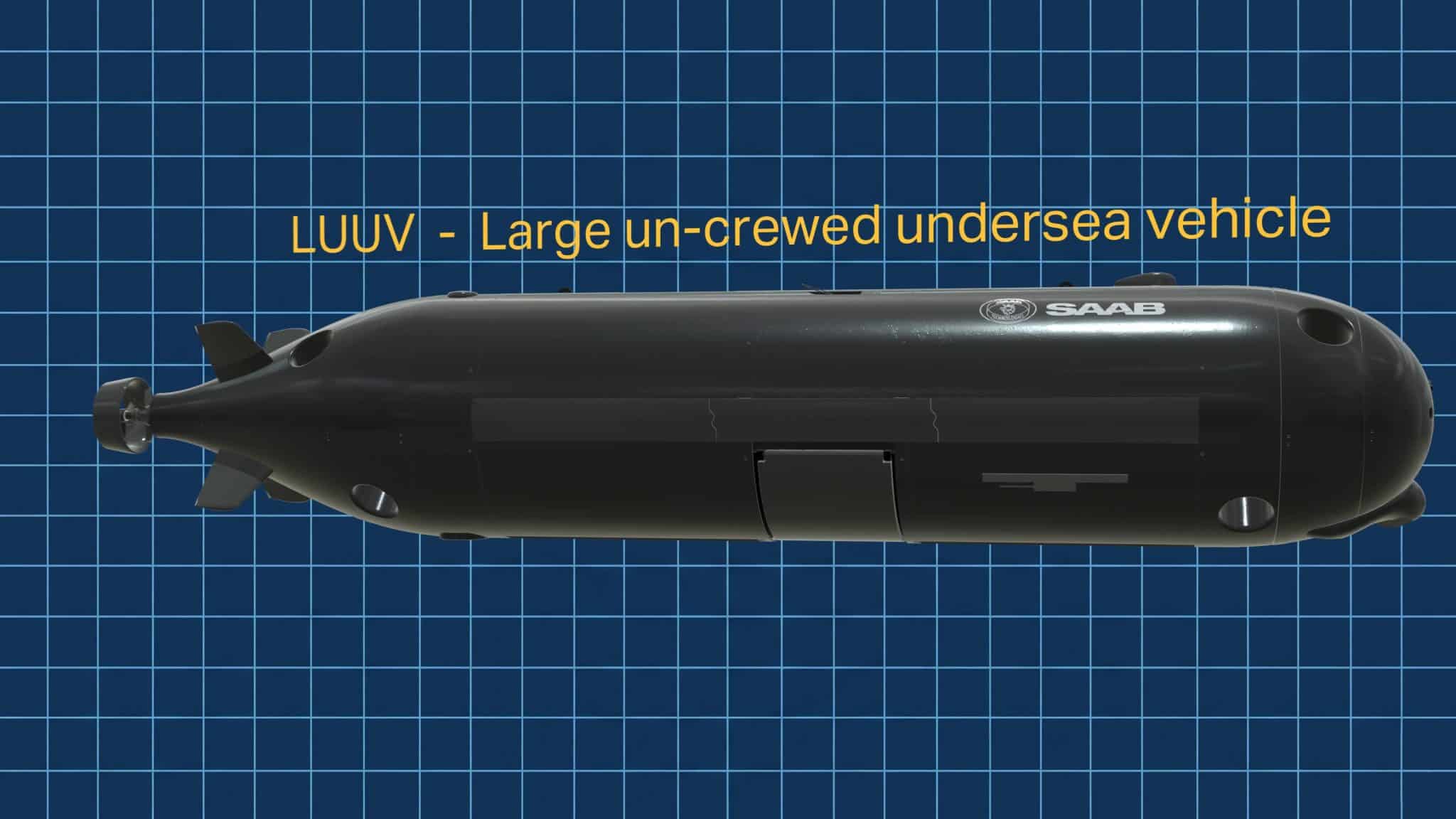
Saab's LUUV Sea Trials Signal Next Phase in Naval Warfare Tech
Saab's mid-2026 sea trials for its large uncrewed underwater vehicle (LUUV) mark a critical advancement in underwater combat capabilities, intensifying competition among global naval powers. The $6.9 million testbed project could alter tactical approaches to maritime operations and submarine warfare.
Saab is set to commence sea trials of its large uncrewed underwater vehicle (LUUV) by mid-2026, following a SEK 60 million ($6.9 million) contract awarded by the Swedish Defence Materiel Administration (FMV) in August 2025. This initiative places Saab at the forefront of an emerging category of naval warfare technology that is increasingly vital for modern military engagement in maritime domains.
The development of the LUUV is prompted by escalating capabilities and technological advancements in underwater warfare, especially among major naval powers such as the United States, China, and Russia. As nations enhance their submarine fleets and related capabilities, the need for stealthy, uncrewed platforms offers a significant strategic advantage — one that Saab aims to harness through its LUUV design. This vehicle is also expected to be instrumental in various missions, including intelligence gathering, surveillance, and reconnaissance.
The LUUV's significance lies in its potential to transform naval strategies and operational paradigms. Autonomous underwater vehicles are crucial in a confrontational environment, particularly with increasing tensions in the South China Sea and Arctic regions. The introduction of such vehicles enhances force projection and extends a navy's operational reach without committing human resources to potentially perilous situations.
Key actors such as Saab and the FMV are motivated by a pressing need to counter the evolving maritime threats posed by rival powers. The Swedish military seeks to capitalize on technological advancements that allow for enhanced reconnaissance capabilities while reducing vulnerability against sophisticated anti-submarine warfare systems deployed by adversaries. Saab's commitment to this project indicates a broader strategy of establishing Sweden as a leader in autonomous naval systems while promoting domestic defense industry capabilities.
Technically, this LUUV will incorporate advanced sensors, stealth technology, and AI-driven navigation systems designed to operate in a variety of underwater environments. Operational timelines suggest that the LUUV could be deployed for extended missions without direct human oversight, significantly extending operational endurance compared to crewed submarines. Specific date alignment with ongoing military exercises may also bolster its strategic validation.
The initiation of these sea trials is likely to set off a series of repercussions within the international defense community. Other nations may accelerate their autonomous underwater vehicle programs in response, leading to a potential arms race in maritime technologies among global naval powers. Furthermore, successful trials could influence defense procurement decisions in allied nations, creating procurement pressures in both Europe and beyond.
Historically, the introduction of unmanned systems into military operations echoes the adoption of drones in air warfare. The rapid evolution of UAV technology during conflicts in the Middle East fundamentally changed air engagement rules. Similarly, LUUVs promise to redefine undersea combat operations, and historical parallels shed light on potential operational shifts coming as they become integral in naval warfare.
In the coming months, eyes will be on Saab's progress with the LUUV and its performance in sea trials. Key indicators to watch include partnerships with other nations for collective maritime defense projects, new contracts awarded for LUUV applications, and reactions from rival military powers regarding their own advancements in uncrewed underwater technology. The global strategic landscape may hinge on the outcomes of these developments, setting precedents for future maritime engagements.