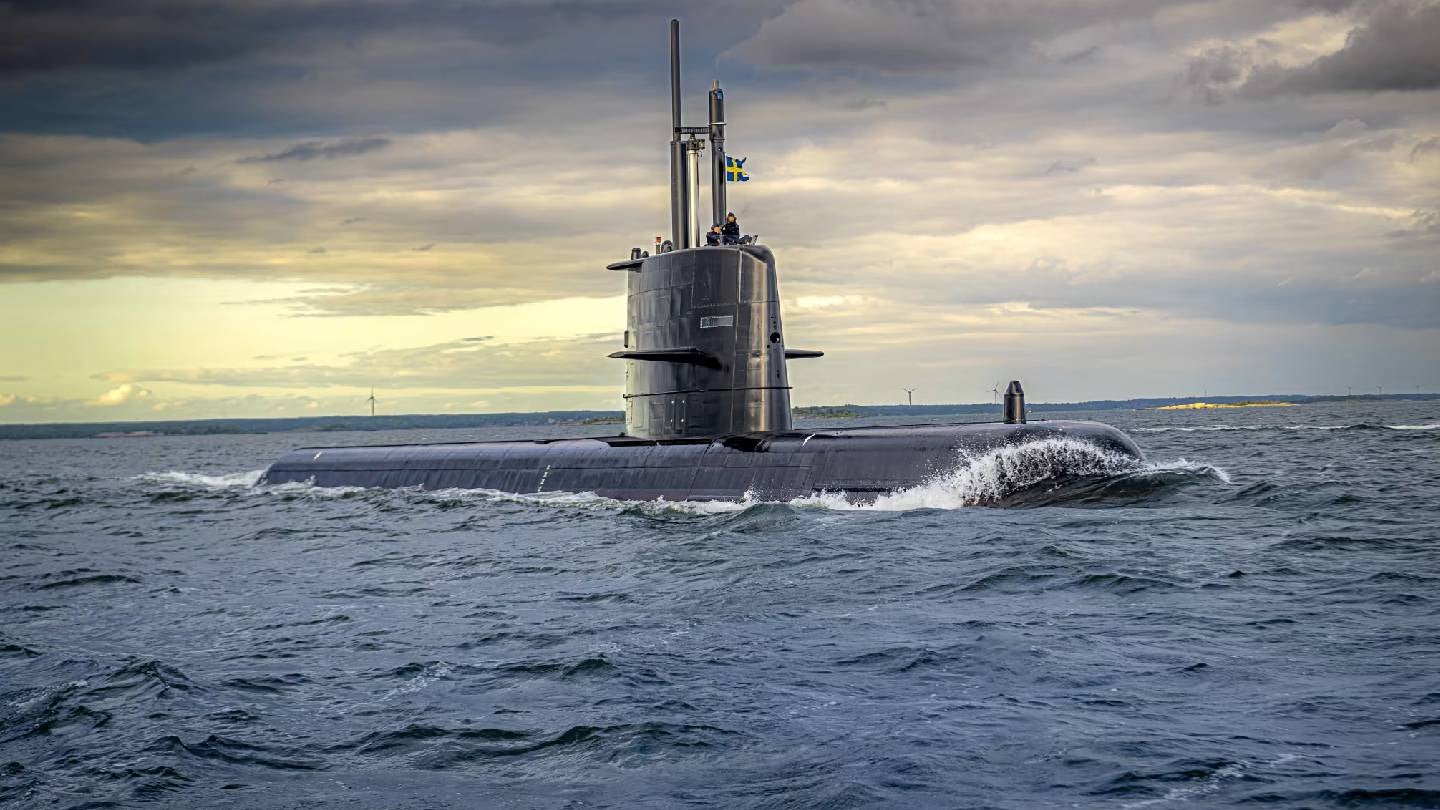
Saab Restructures Amid Global Naval Tensions
Saab's consolidation of naval operations reflects growing maritime security challenges. This strategic move highlights the role of naval strength in geopolitical stability and could influence future naval engagements.
Swedish defense giant Saab has strategically restructured its naval operations into a singular entity named 'Naval,' amid escalating maritime tensions worldwide. This move signifies a concentrated effort to bolster naval capabilities against evolving threats.
Saab's decision comes against the backdrop of increasing global maritime disputes and the growing demand for advanced naval technologies. As global powers enhance their naval presences, this restructuring aims to streamline operations and improve their competitive edge.
The significance of Saab's consolidation is underscored by the current strategic landscape where naval power plays a pivotal role. The restructure is likely to optimize development and production, enhancing Sweden's ability to respond to international maritime challenges.
Key actors in this development include Saab executives and Swedish defense authorities, whose motivations appear aligned towards reinforcing Sweden's naval strategy. The consolidation may also be a response to competitive pressures from other military technology firms.
The consolidation means Saab will unify research, development, and production initiatives within a single framework, potentially expediting the rollout of advanced systems like submarines and surface combatants.
Possible consequences include heightened Swedish influence in the Baltic Sea and potential shifts in regional security dynamics. It may also provoke responses from neighboring countries and competitors.
Historical precedents for such restructuring can be seen in other defense companies who have similarly consolidated operations to leverage efficiencies and focus on critical areas amidst changing security prospects.
Looking forward, key indicators will include any changes in Saab's product offerings and contracts, as well as how international relations in the Baltic and beyond might adjust to Saab's enhanced naval posture.