Russia’s Ukraine Offensive Stalls After Two Years of Gains
Russian advances in Ukraine halted in March, with Kyiv forces reclaiming territory, marking the first Ukrainian territorial gains since 2021. This shift challenges Moscow’s war momentum and signals potential strategic recalibration in the conflict’s protracted phase.
Russian military operations in Ukraine stalled in March, marking the first time in over two years that Moscow achieved no territorial gains. Ukrainian forces recaptured several small areas, breaking Moscow’s string of advances since early 2022. The Institute for the Study of War reports these setbacks indicate a major shift on the battlefield, where momentum that favored Russia is now slowing.
Since the 2022 full-scale invasion, Russia pushed steadily east and south, capturing significant portions of Ukrainian territory. Ukrainian counteroffensives in recent months managed to erode Russian control in parts of the northeast and south, but Moscow retained key gains until this pause. Historically, March represented an escalation period, making the current stall an unexpected challenge.
This development is strategically significant as it could forecast a broader shift in the conflict balance. Russia losing momentum complicates its political and military objectives, possibly forcing a strategic recalibration or deeper reliance on attritional warfare. For Kyiv and its allies, this opens the space to consolidate gains and possibly prepare for expanded offensives.
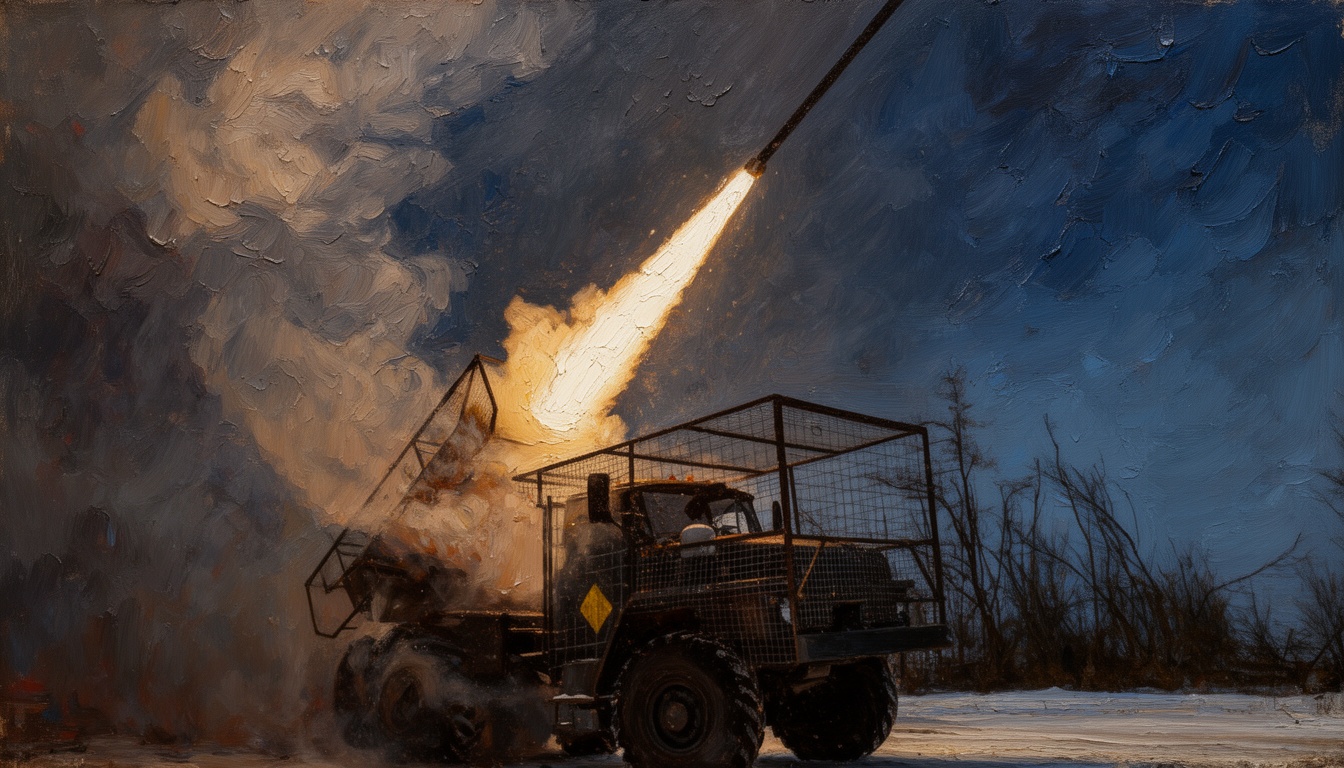
Operationally, Russia's forces include combined arms battalion tactical groups, supported by artillery and missile systems like the Iskander. Ukrainian defenders have employed Western-supplied systems such as HIMARS rockets and anti-tank guided missiles effectively to disrupt Russian logistics and frontline units. The terrain and weather conditions also influenced operational tempo, with mud and spring thaws affecting mobility.
Looking ahead, the stalled Russian advances could extend the conflict’s protracted nature, with neither side achieving decisive victory soon. Prolonged attrition and high casualties threaten regional stability and global security dynamics, especially given the involvement of major military powers backing Kyiv and Moscow indirectly. Continuous monitoring of battlefield shifts remains critical to anticipate future escalations or peace prospects.