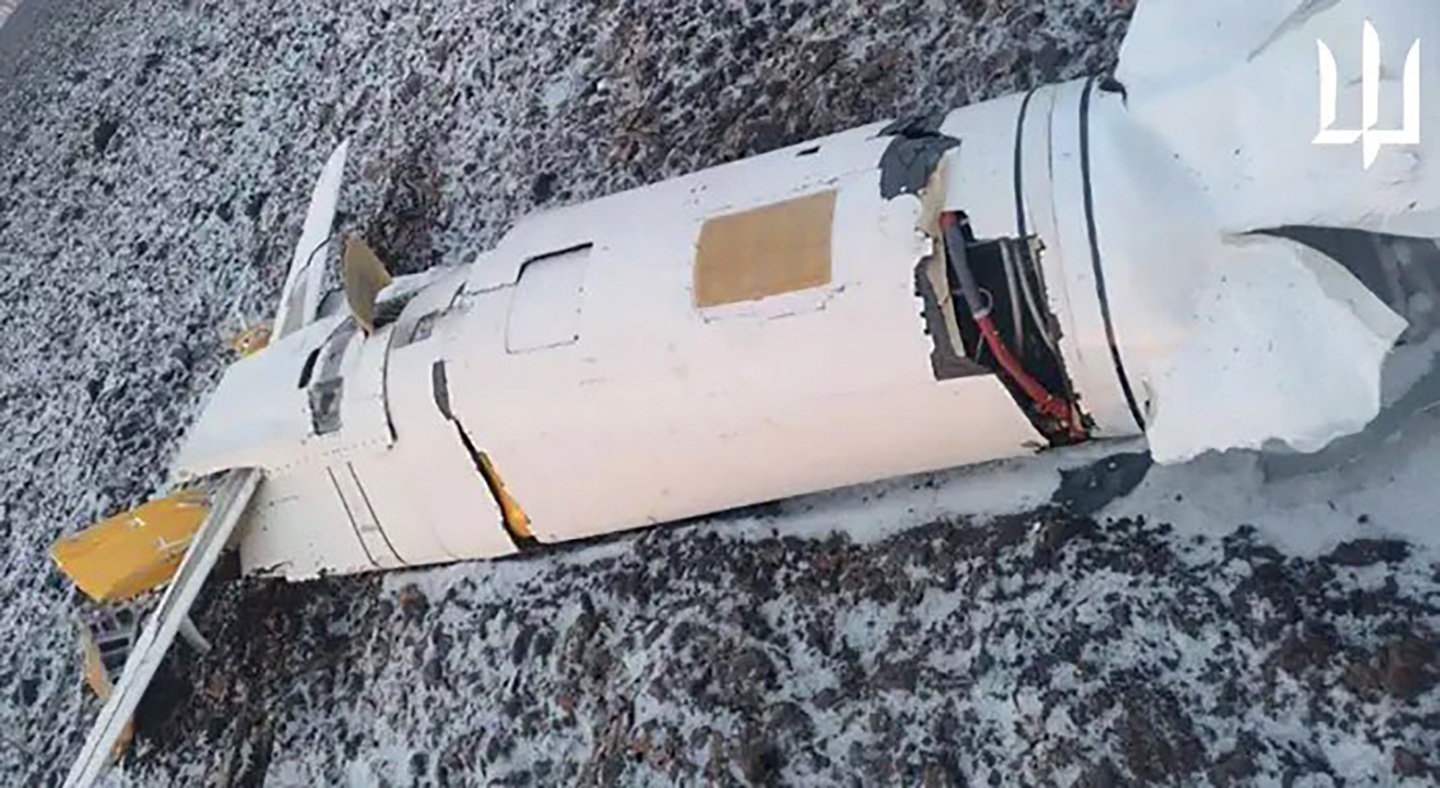
Russian Izdeliye 30 Cruise Missile Escalates Conflict in Ukraine
The deployment of the Izdeliye 30 signifies an alarming enhancement of Russian missile capabilities in Ukraine, raising stakes amid ongoing hostilities. This development introduces faster, cost-efficient, and more lethal strike options for Russian forces.
Russia has deployed the Izdeliye 30 air-launched cruise missile in Ukraine, marking a significant escalation in the conflict. This missile, reportedly superior to previous Russian designs, combines increased lethality with quicker production cycles, indicating a strategic shift in Moscow's approach to aerial warfare in the region.
The Izdeliye 30's emergence is rooted in the failure of earlier missile systems to achieve decisive effects on the battlefield. Russian military doctrine has long emphasized the need for advanced standoff capabilities that can deliver precision strikes against critical infrastructure and troop concentrations without the need for close air support. The operational demands of the ongoing conflict have led to accelerated development and deployment of this missile.
The strategic implications are profound. The Izdeliye 30 could alter the dynamics of air-defense strategies employed by Ukraine, forcing a reassessment of engagement tactics. As the missile's speed and precision pose direct threats to Ukrainian command-and-control nodes, it may also provoke NATO nations to reconsider their support levels and defensive measures in the region, aware of the increased capabilities at play.
Key players in this scenario include the Russian military's General Staff and defense contractors responsible for developing the Izdeliye series. Moscow’s motivation stems from the desire to reassert its military dominance in Eastern Europe as well as to counterbalance Western assistance to Ukraine, which includes advanced air defense systems.
The Izdeliye 30 is characterized by its range of approximately 600 kilometers and capabilities that permit it to evade radar systems effectively. The missile utilizes advanced guidance technology, which enhances its strike accuracy and minimizes collateral damage, factors likely to be exploited in future campaigns against Ukrainian targets.
Following the introduction of the Izdeliye 30, potential consequences include a surge in airstrikes aimed at key infrastructure, thereby intensifying civilian suffering and economic disruption in Ukraine. The potential for NATO member states to expand their military contributions is also heightened, as they seek to bolster Ukraine's air defense against an increasingly sophisticated Russian threat.
This is not the first instance where enhanced military capabilities have shifted the balance of power in Ukraine. Historical precedents show that the introduction of advanced weaponry often corresponds with increased conflict intensity. The deployment of high-tech systems raises the stakes and may provoke a wider regional conflict, as both sides rush to innovate and develop countermeasures.
Looking forward, observers should monitor Russia's operational patterns, including the frequency and targets of Izdeliye 30 strikes. Intelligence assessments will be crucial to understanding the implications of this missile’s deployment and the strategic responses it elicits from Ukraine and its allies, particularly regarding NATO's air defense enhancements in Eastern Europe.