Russian drone strikes kill elderly couple in Odesa, Kherson
Russian drone strikes in Ukraine have killed an elderly married couple in Odesa as their home was struck at dawn. Separately, another drone attack in the Kherson frontline region killed a 68-year-old man and left a woman critically identified. Local officials report multiple buildings damaged, signaling intensifying pressure on civilian areas amid ongoing hostilities.
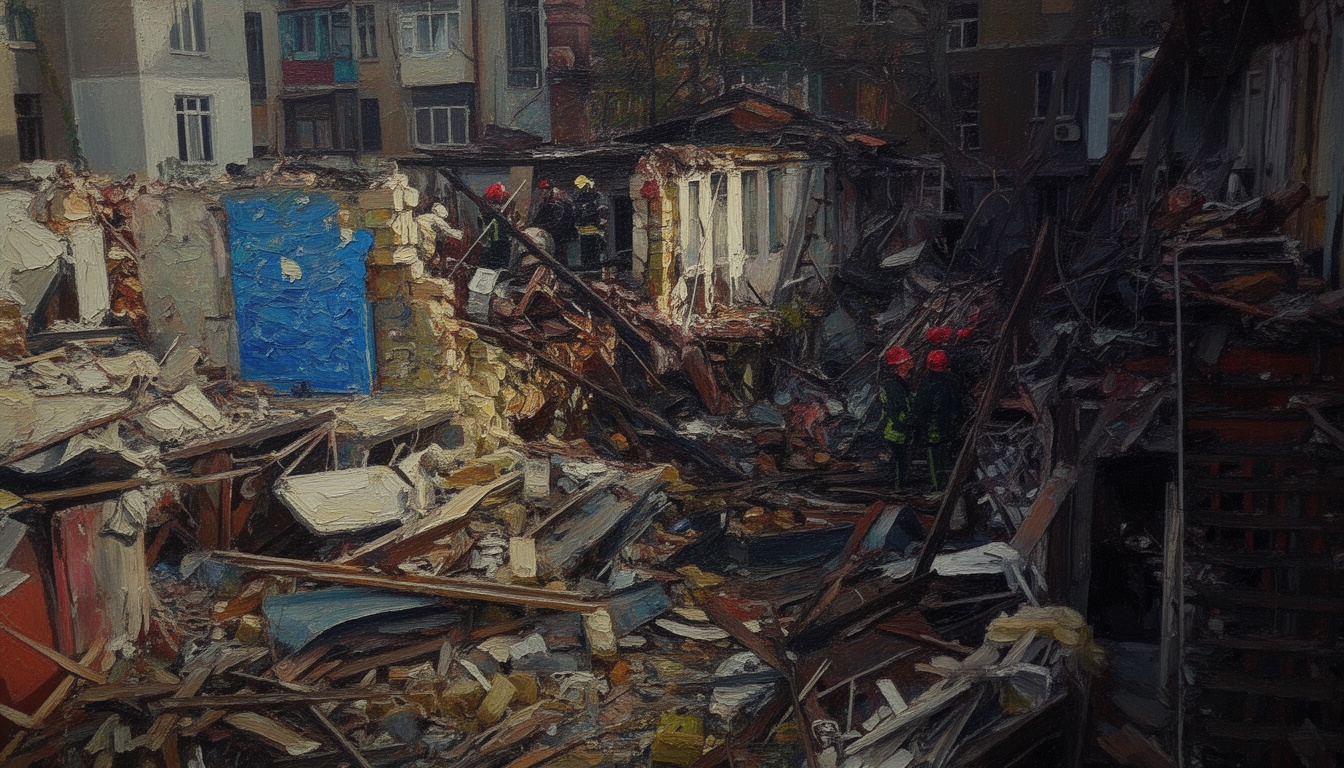
A dawn drone strike on a residential building in Odesa killed a married elderly couple and caused widespread damage to surrounding apartments. The couple, reported to be in their seventies, were inside their home when the strike hit, according to local authorities. Several apartment blocks suffered significant damage, with one building described as almost split in two. The incident underscores the Blurred: civilian casualties remain a grim constant in the coastal conflict zone.
In Kherson region, another drone attack on the frontline area resulted in two deaths, including a 68-year-old man and a woman whose identity was still pending confirmation by officials. The strikes in Kherson add to a pattern of attacks that target civilian-adjacent infrastructure and residential areas near contested fronts. Authorities have warned residents to remain in shelter as the situation on the ground remains volatile. The immediate aftermath includes debris, fires, and disrupted utilities in several neighborhoods.
This wave of strikes comes as both sides sustain pressure along the front lines and escalate operations aimed at controlling key urban nodes and supply routes. The Odesa attack, if confirmed as a deliberate strike on civilian housing, would carry potential implications for international humanitarian concerns and regional security calculations. In Kherson, the reliability and timing of local casualty reports reflect the fog of war and the difficulty of rapid verification from frontline sources.
Technically, the attacks involve unmanned systems capable of precision and area saturation, deployed by both sides in contested coastal and river delta zones. The blasts appear to have targeted civilian residences and near-shore infrastructure, indicating a shift toward terrorizing civilian populations to coerce concessions or disrupt local governance. Budgetary and procurement signals from the warring sides suggest continued investment in drone fleets and counter-drone capabilities, which will shape future battlefield dynamics.
Looking ahead, civilian risk will likely rise in southern Ukraine as urban centers near flashpoints remain under threat. International actors may intensify diplomatic pressure or seek to broker de-escalation corridors, while frontline communities brace for further disruption. Analysts expect each new strike to influence regional deterrence calculations and fueling a cycle of retaliation that complicates any prospect of a quick stabilization.