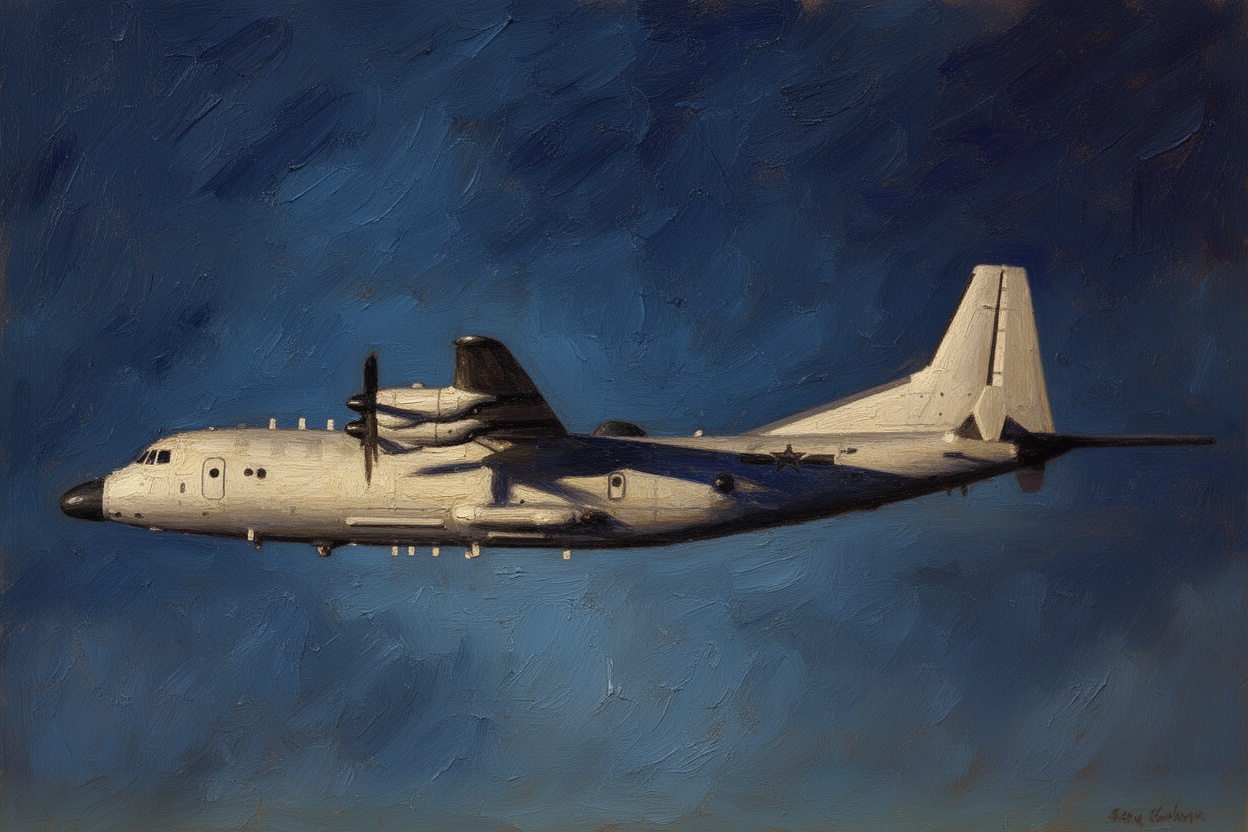
Russian, Chinese Surveillance Soars Near Japan, Heightening Regional Tensions
Russian Tu-142 patrol planes and Chinese intelligence vessels are operating aggressively near Japan, escalating East Asian maritime and airspace risks. Japan's relentless monitoring underscores fears of increased Russian-Chinese probing amid global distractions.
Russian and Chinese surveillance aircraft and naval units intensified operations near Japan this past weekend, according to Tokyo defense sources. Two Russian Tu-142 Maritime Patrol Aircraft flew extensively around the Japanese archipelago on Friday. Concurrently, Chinese intelligence-collecting vessels were tracked sailing near Japan’s Exclusive Economic Zone, heightening regional maritime tensions.
This surge in reconnaissance follows years of growing Chinese and Russian military activity around Japan. Beijing and Moscow have increased their air and naval deployments in the East China Sea as Tokyo enhances its Self-Defense Forces capabilities. Japan remains wary of potential airspace incursions and maritime confrontations that could trigger broader conflict.
Strategically, these operations signal a coordinated effort by Russia and China to challenge Japan’s regional dominance and test its air defense readiness. Their increased presence exploits global distractions, particularly the Middle East crisis, aiming to gather intelligence and assert power in East Asia. Tokyo’s 24/7 surveillance reflects recognition of these escalating threats.
Technically, the Tu-142 is a long-range maritime reconnaissance platform equipped with anti-submarine and electronic intelligence sensors. Chinese vessels detected were likely Type 815 or Type 815G spy ships famed for signals intelligence missions. Japan’s radar and Aegis-equipped destroyers continue round-the-clock monitoring to detect incursions and maintain deterrence.
Looking ahead, Russia and China will likely sustain or increase such probing activities near Japan to pressure the island and gather sensitive data. Japan must bolster its layered defense systems to deter further incursions amid shifting global focus. The risk of accidental conflict rises as Moscow-Beijing cooperation expands aggressively in contested waters.