Russia unleashes deadliest aerial assault in months, 18 killed in Ukraine
Russia conducts its most intensive airstrike in months, striking Ukrainian targets and causing 18 fatalities. The attack follows a contested Orthodox Easter truce that had paused major fighting for several days. Kyiv vows to respond, while Moscow signals it will press its campaign as tensions rise across the theater.
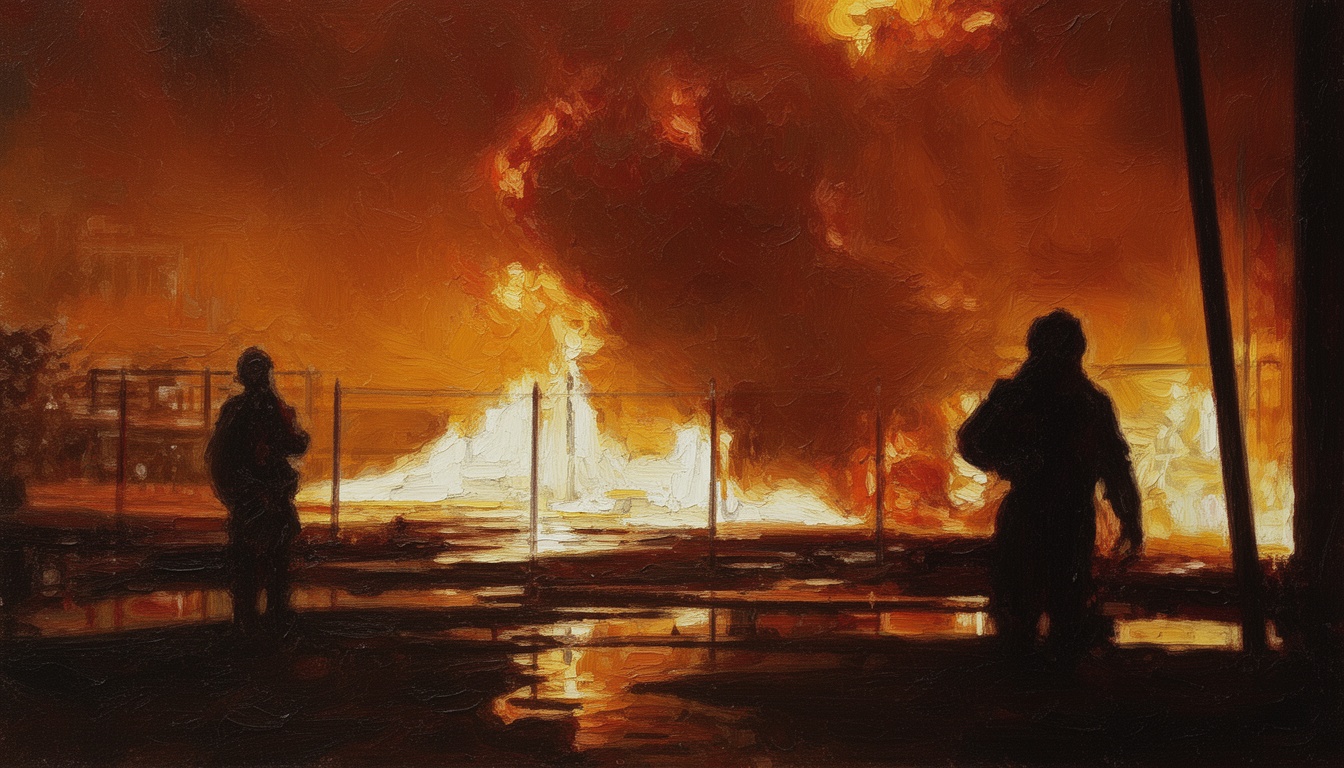
Russia has launched what officials describe as the deadliest aerial assault in months against Ukrainian positions, waging a broad bombardment that reportedly left 18 people dead and hundreds wounded. The attack targeted multiple cities across a swath of eastern and southern Ukraine, with missiles and guided munitions striking critical infrastructure, power facilities, and residential districts. Ukrainian authorities immediately condemned the assault and promised a forceful retaliation, while Moscow framed the operation as a continuation of its military objectives in the region.
Context for this escalation centers on a fragile war tempo that had cooled briefly around the Orthodox Easter truce, only to collapse as winter-like offensives resume in earnest. Western observers had warned that a lull could embolden Ukrainian and Russian battlefield commanders to regroup, intensify sorties, and test each other's air defenses. The latest strikes demonstrate a public relaunch of heavy airpower employment, signaling both sides’ willingness to accept higher civilian casualties to achieve strategic goals. The incident also raises questions about the durability of any future ceasefire or humanitarian corridor amid intensified bombing.
Strategically, the attack underscores Moscow's intent to degrade Ukrainian logistics and energy resilience, complicate Kyiv’s ability to sustain the war machine, and erode civilian morale. For Kyiv, the response will likely combine defensive reinforcements, air defense hardening, and renewed pressure on Russian supply lines across occupied corridors. International reactions are expected to hinge on the alignment of partners with Kyiv’s push for more robust defensive aid and sanctions pressure that could constrain Moscow’s operational tempo. The risk of a broader engagement in European skies remains a focal point for alliance planners and crisis management cells in capital cities across the region.
Technical and operational details remain partial, but officials have cited a mix of strategic bombers, long-range missiles, and precision-guided munitions deployed by Russian forces. Ukrainian authorities report failures of some air defense assets, with certain missiles penetrating protective belts and causing widespread power outages in several cities. The casualty count of 18 reflects not only immediate fatalities but also the broader disruption to medical services and evacuation corridors, complicating rescue efforts. Heightened intelligence collection and battlefield surveillance are expected to intensify in the coming days as both sides adjust their discriminator factors for future engagements and attempt to outmaneuver each other’s air- and ground-based countermeasures.
Forward assessment suggests the current trajectory will sharpen tensions across the wider theater, increasing the risk of miscalculation and escalation. If Moscow maintains pressure, Kyiv will likely seek to accelerate allied arms deliveries and expand capacity to counter air assaults, potentially prompting a larger NATO presence in border states. Humanitarian consequences will worsen unless corridors and civilian protections are guaranteed, drawing increased international attention to energy and infrastructure vulnerabilities. In the near term, expect sharper rhetoric from Moscow and Kyiv, a flurry of redeployments by air forces, and a deeper push to disrupt the other side’s command-and-control networks as the war enters a more volatile phase.