Russia Launches 660-Strike Drone and Missile Barrage on Ukraine
A massive, multi-domain attack by Russia targets Ukrainian cities with drones and missiles. The strike compounds already high regional tensions and risks broader escalation. The immediate humanitarian and civilian-damage profile underscores the vulnerability of Ukrainian urban centers under sustained bombardment.
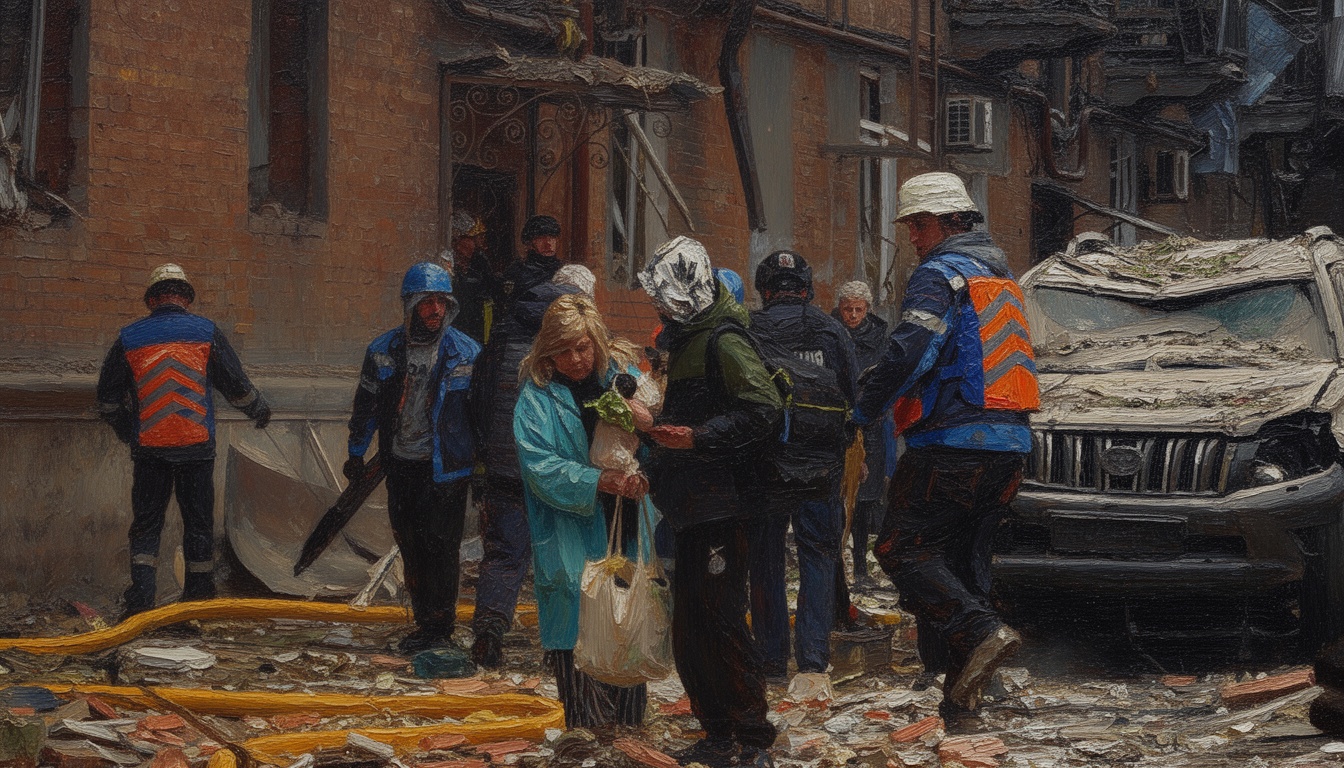
The core development is blunt and devastating: Russia conducted a sweeping overnight volley of more than 660 drones and missiles aimed at Ukrainian targets, resulting in multiple fatalities and dozens of injuries. Ukrainian officials confirmed at least six dead and more than 30 wounded, with civilian infrastructure among the most affected sites. Among the hardest-hit locations was the eastern city of Dnipro, where rescue crews worked overnight and into Saturday morning to locate people trapped under rubble. The scale of this strike signals a deliberate attempt to saturate air defense and overwhelm emergency response networks across multiple regions.
Contextually, this attack comes amid a pattern of intensified Russian bombardments that has persisted for months as Moscow seeks to pressure Kyiv and degrade Ukraine’s war-fighting and civilian resilience. Previous waves have targeted critical infrastructure, industrial facilities, and urban centers, underscoring a strategy to disrupt electricity, water, and transportation networks. The timing aligns with seasonal operational windows and a continued effort to erode Ukraine’s mobilization capacity and public morale. International observers have warned that such mass strikes raise the risk of miscalculation and broader regional spillovers, including pressure on allied support arrangements and logistical corridors.
Strategically, the barrage elevates the perception of a renewed Ukrainian vulnerability to multi-vector attacks. It also tests the robustness of Ukraine’s integrated air defense, civil defense, and emergency management frameworks. The operation reveals Moscow’s willingness to combine long-range missiles with swarming drone sorties to saturate defenses and create windows for follow-on actions on the ground. For Kyiv, the incident reinforces the need to sustain and accelerate modernization of air defense networks, survivability of key urban centers, and redundancy in energy and communications infrastructure to maintain governance under sustained pressure.
Technical and operational details are instructive: the assault involved a blend of drones and missiles, indicating a layered strike concept. The casualty figures and reports of widespread damage point to hits on residential buildings and critical civilian infrastructure, though exact target sets remain to be fully assessed. Ukrainian authorities have deployed search-and-rescue teams and civil defense assets to northeast and central regions, highlighting the ongoing strain on emergency response capabilities. The episode likely drives increases in domestic mobilization, industrial production for defense, and international calls for continued support to bolster Ukraine’s counter-strike and defense-repair capacity.
Looking ahead, the immediate consequence is heightened civilian risk and potential escalation in both tactical and political terms. If such mass-barrage patterns persist, Kyiv could accelerate longer-range defensive redeployments and partner-provided air-defense aid, while Moscow may escalate to test NATO’s eastern flank and allied endurance. The strategic calculus for Western supporters will balance providing credible deterrence and avoiding a broader direct confrontation. In the near term, expect intensified intelligence, surveillance, and reconnaissance efforts to track Russian attack patterns and to adapt Ukrainian protective measures accordingly.