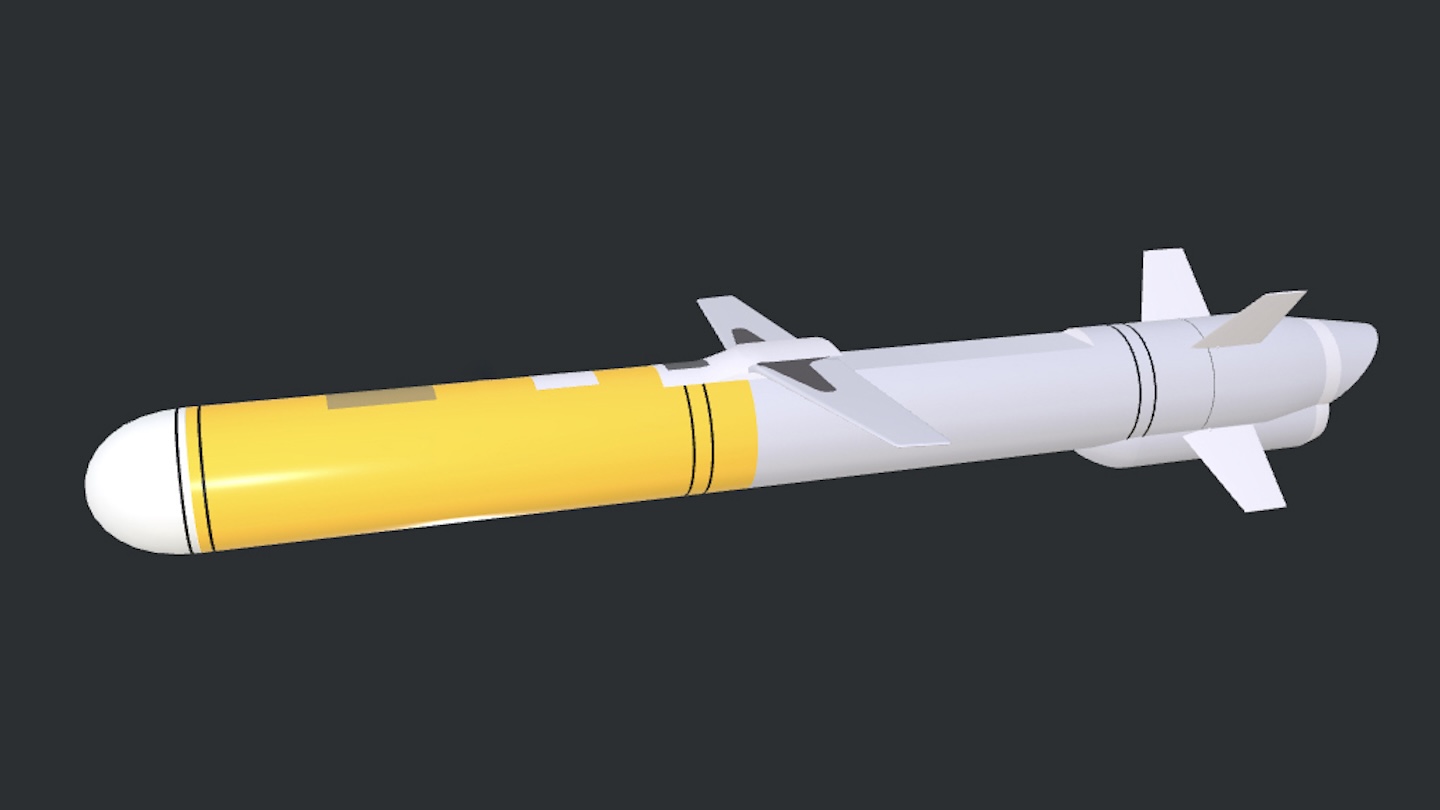
Russia Deploys Izdeliye 30 Missile, Escalating Threat in Ukraine War
The introduction of the Izdeliye 30 missile intensifies the conflict in Ukraine, showcasing Russia's evolving military capabilities and presenting new challenges for Ukrainian defenses.
Russia has deployed the Izdeliye 30, a new air-launched cruise missile, to the Ukraine front, significantly escalating its military threat. This missile reportedly offers enhanced capabilities compared to its predecessors, posing an immediate challenge to Ukrainian air defenses and complicating the tactical landscape for NATO allies and regional security forces.
The Izdeliye 30 development can be traced back to Russia's ongoing attempts to modernize its military arsenal following substantial losses in the early stages of the Ukraine invasion. Faced with dwindling resources and technological setbacks, Moscow has prioritized more cost-effective, accessible weaponry that can be produced rapidly and fielded in the ongoing conflict. Such advancements are part of a broader strategy to counteract Western military support for Ukraine and regain operational momentum.
This missile's deployment is significant for several reasons; first, it indicates Russia's commitment to enhancing its offensive capabilities in Ukraine and its willingness to adapt to battlefield challenges. The inclusion of the Izdeliye 30 could shift the balance of power, as it appears designed to evade current air defense systems, thereby heightening the immediate operational risk for Ukraine's military infrastructure and civilian areas.
Key players in this scenario include the Russian Ministry of Defense, which seeks to demonstrate military prowess both domestically and internationally, and the Ukrainian Armed Forces, tasked with counteracting these threats. Russia's strategic goal is to instill fear and disrupt Ukrainian morale while creating pressure on Western allies to reevaluate their support for Ukraine.
The Izdeliye 30 boasts technical capabilities that may include a range of over 1,500 kilometers, increased speed, and a payload designed to penetrate advanced air defense systems. Production costs are speculated to be lower than previous variants, potentially allowing Russia to rapidly deploy substantial quantities in combat scenarios, which raises concerns about the potential for sustained, high-intensity operations.
The consequences of this development are manifold; increased missile saturation could push Ukrainian defenses to their breaking point, particularly if combined with simultaneous conventional assaults. This escalation may prompt a recalibration of NATO's response strategy, necessitating upgrades to current air defenses across Eastern Europe and additional arming for Ukraine.
Historically, similar missile developments have altered the dynamics in conflicts. For instance, the introduction of precision-guided munitions during the Gulf War dramatically changed the battlefield landscape, leading to a swift victory for Coalition forces. The rapid advancements in missile technology seen today mirror this past evolution, indicating a shift in warfare paradigms.
Looking ahead, intelligence analysts will need to monitor the operational use and effectiveness of the Izdeliye 30 closely. Key indicators will include changes in Russian strike strategies, modifications to Ukrainian defensive deployments, and any shifts in the overarching military support from NATO member states, which may further determine the trajectory of this ongoing conflict.